
Avantus expands corporate financing to $1.28 billion for Western U.S. solar development
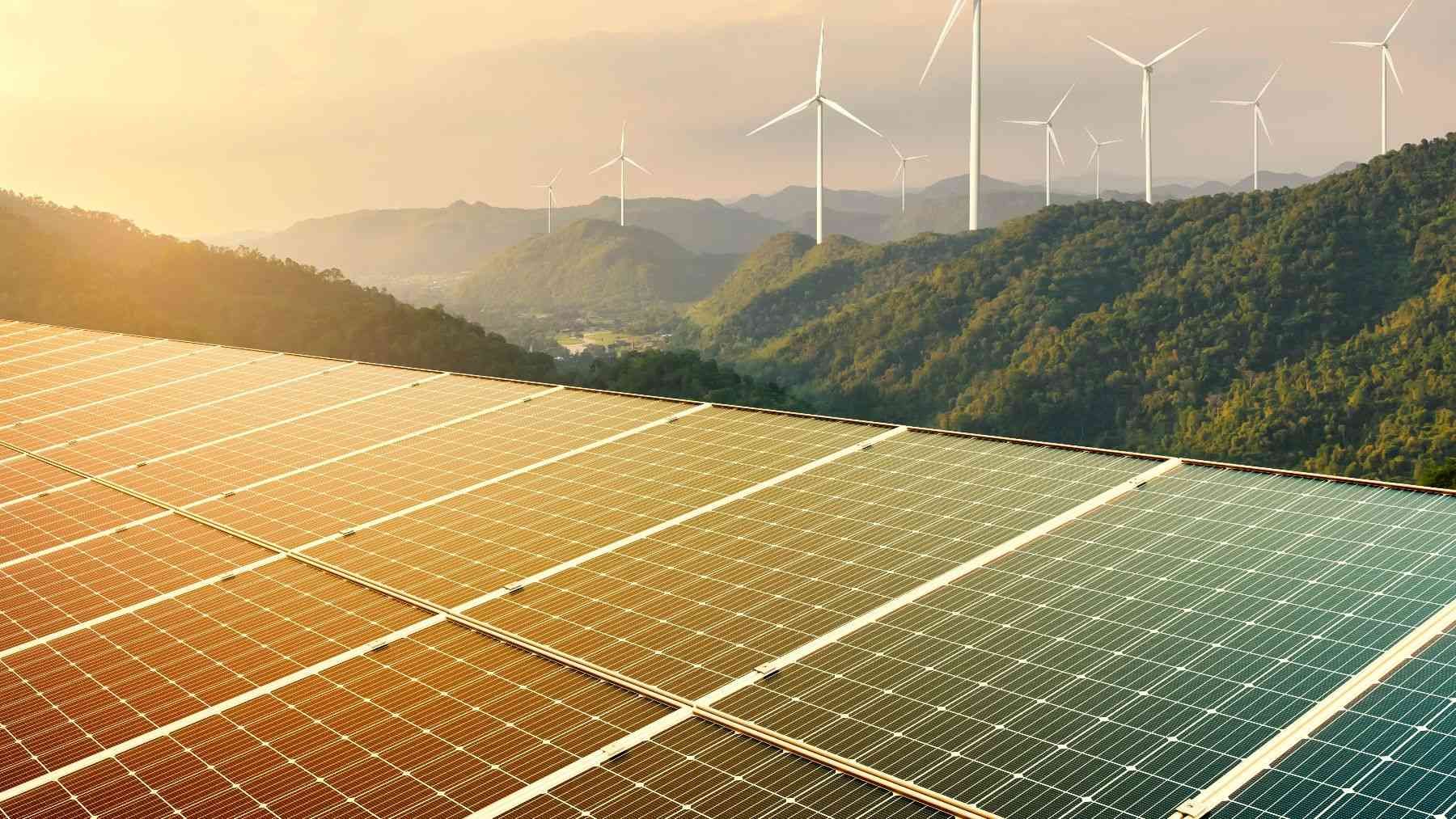
One of the most important strategies for companies that are seeking to be leaders in the clean energy sector is ensuring that they establish their presence in a variety of regions and stand apart from other companies in that way. When companies pursue projects in different areas, they are able to gain the backing of the general population that is aware of the economic contribution that it makes to them. The general population of the Western U.S. has enjoyed plenty of groundbreaking solar projects that set higher standards for what a good energy project entails. On that note, Avantus has expanded corporate financing to $1.28 billion for Western U.S. solar development.
Avantus is aiming to diversify its energy portfolio in the United States
It is interesting to witness where the solar energy sector is headed considering how historic a year 2026 was. Companies are actively positioning themselves to benefit from the direction that the energy sector is headed. Still, there is no guaranteed way of predicting the way that the sector is going to evolve.
At the moment, the solar energy sector is filled with a variety of companies that are trying to carve out their own lane and solidify their presence while generating as much revenue as they can. Among such companies is Avantus, which has made a name for itself in developing, owning, and operating utility-scale clean energy projects across California and the Desert Southwest.
They join existing lenders SMBC, serving as Administrative Agent, Collateral Agent and Lead Arranger, alongside ING Capital LLC, HSBC, KKR, Truist Securities, Inc.
The company’s development pipeline of solar with integrated storage is set to generate enough dispatchable power to serve more than 10 million Americans, day and night. This is an important characteristic considering that energy storage has gained increased importance in the contemporary landscape.
Advancing Western U.S. solar: Avantus expands corporate financing to $1.28 billion
A press release from Avantus revealed that the company has further upsized its corporate credit facility, increasing total commitments to $1.28 billion. 2026 has made it clear that there is a tremendous amount of money to be made in the energy sector for companies that are willing to invest in massive projects and experiment.
Avantus’ expanded facility capitalizes on the $1.05 billion facility that the company was able to close in August 2026. The extra capacity adds momentum to Avantus’ independent power producer (IPP) strategy across California and the Desert Southwest, where its development pipelines reach 24 gigawatts (GW) of system capacity, including 13 GW of solar integrated with 44 gigawatt-hours (GWh) of storage.
Breaking down the factors that went into Avantus securing a 1.28 billion deal
New Lead Arrangers that are joining the consortium include Helaba, MUFG, NordLB, Santander and Standard Chartered. They join existing lenders SMBC, serving as Administrative Agent, Collateral Agent and Lead Arranger, alongside ING Capital LLC, HSBC, KKR, Truist Securities, Inc. Supported by strategic investment from KKR and EIG and building on more than a decade of industry leadership, Avantus is growing its position as an independent power producer delivering affordable solutions.
The continued transformation of California’s solar energy sector
California anchors the Western U.S. solar landscape with over 56.5 GWdc of installed solar capacity, while the Bureau of Land Management is actively expanding public-land solar planning across 11 Western states to support a net-zero grid by 2035. According to online reports, California generates almost 10,000 megawatt-hours monthly, producing roughly 20.3% of the U.S. total and leading the nation in small-scale/rooftop solar systems.
Solar and wind energy projects are unique in the sense that companies must be strategic with the locations that they choose. This explains why certain regions like California and Texas are seen as the hubs of solar energy generation, as they have more sunlight compared to other regions, meaning they are able to generate electricity consistently. Nowadays, companies are overcoming intermittency issues that are associated with solar facilities by combining energy generation and storage so that consistent energy availability is maintained.

Prince is a versatile writer focused on energy, automotive, environmental, and general news topics. He makes complex technical and policy issues clear, engaging, and accessible for a broad audience.
