
Private investors, particularly those with long-term horizons, increasingly look to invest in core midstream infrastructure for stable and consistent returns. Historically these types of assets were mostly owned by traditional utilities. An almost unreported move by Blackstone Credit & Insurance and EQT Corp on the Mountain Valley Pipeline highlights the bigger picture of what major financial institutions see down the line. Blackstone’s increased exposure to a particular asset creates a natural question: What does Blackstone think is coming?
Long-term capital to support long-term assets
The partnership formed between Blackstone Credit & Insurance and EQT Corp (the two entities’ joint venture), PipeBox, is focused on providing long-term financing to midstream assets supporting U.S. natural gas transport. Their partnership is focused specifically on midstream assets and provides a stable source of long-term capital.
Midstream assets — pipelines across Appalachia
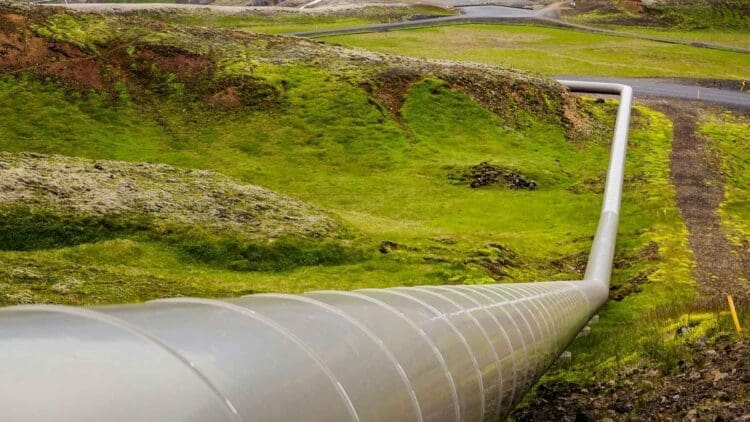
The Mountain Valley Pipeline spans the Appalachian region and transports large quantities of natural gas from production areas in West Virginia to demand centers located further south. While sizable, the strategic value of The Mountain Valley Pipeline extends far beyond that, because it serves as a key factor in reducing bottlenecks constraining both producers and utilities alike. As the largest natural gas producer in the country, EQT relies heavily on accessing these types of infrastructure.



PipeBox recently announced that it will acquire a portion of an existing partner’s interest in The Mountain Valley Pipeline, thereby increasing PipeBox’s ownership interest from 49% to 53%. Although the percentage point difference may appear small, this equates to a $201 million commitment and, most importantly, represents a movement to a majority owner position of a very high-profile asset.
Regulatory hurdles, political debate, and energy markets volatility
The Mountain Valley Pipeline has had a long and complicated history due to regulatory hurdles and intense political debate. The fact that Blackstone chose to invest additional capital into the project at this juncture indicates that there is substantial confidence in the project overcoming its current obstacles. Additionally, it illustrates the broadening willingness among institutional investors to commit to assets generating predictable cash flow while energy market volatility persists.
What does each party gain from the larger stake?
EQT gains greater control over the outlet for its production by owning a larger share of the pipeline. Even though the energy landscape is evolving toward using fewer natural gas volumes, reliable transportation will continue to be a competitive advantage for EQT. With a larger equity stake, EQT will also have greater input into all decisions related to the operation and finance of the asset.
Blackstone’s motivation to increase its stake aligns directly with its overall strategy of investing in core infrastructure assets capable of delivering consistent, investment-grade returns. Midstream assets, including pipelines, are typically underpinned by long-term contracts protecting them against short-term price fluctuations. Therefore, an increase in equity exposure is less speculative than securing durable cash flow over multiple decades.
What will come beyond this transaction?
The expansion of the PipeBox partnership is not merely an isolated event changing the ownership structure of The Mountain Valley Pipeline.
Rather, it is indicative of a growing trend in which private capital is increasingly playing a significant role in funding basic energy infrastructure assets that either cannot be funded through the public markets or are unwillingly being left unfunded by traditional utility providers.
In addition to continued debates regarding energy transition and the reliability of supply chains, the Mountain Valley Pipeline sits at the crossroads of reliability and change, as do many other midstream assets. Similar trends are present in other midstream investments, particularly how private investors are strategically positioned throughout energy transport and storage assets; this trend is expected to shape the direction of the industry going forward.