
BLM approves construction of the 60 MW Pearl geothermal energy project in Nevada
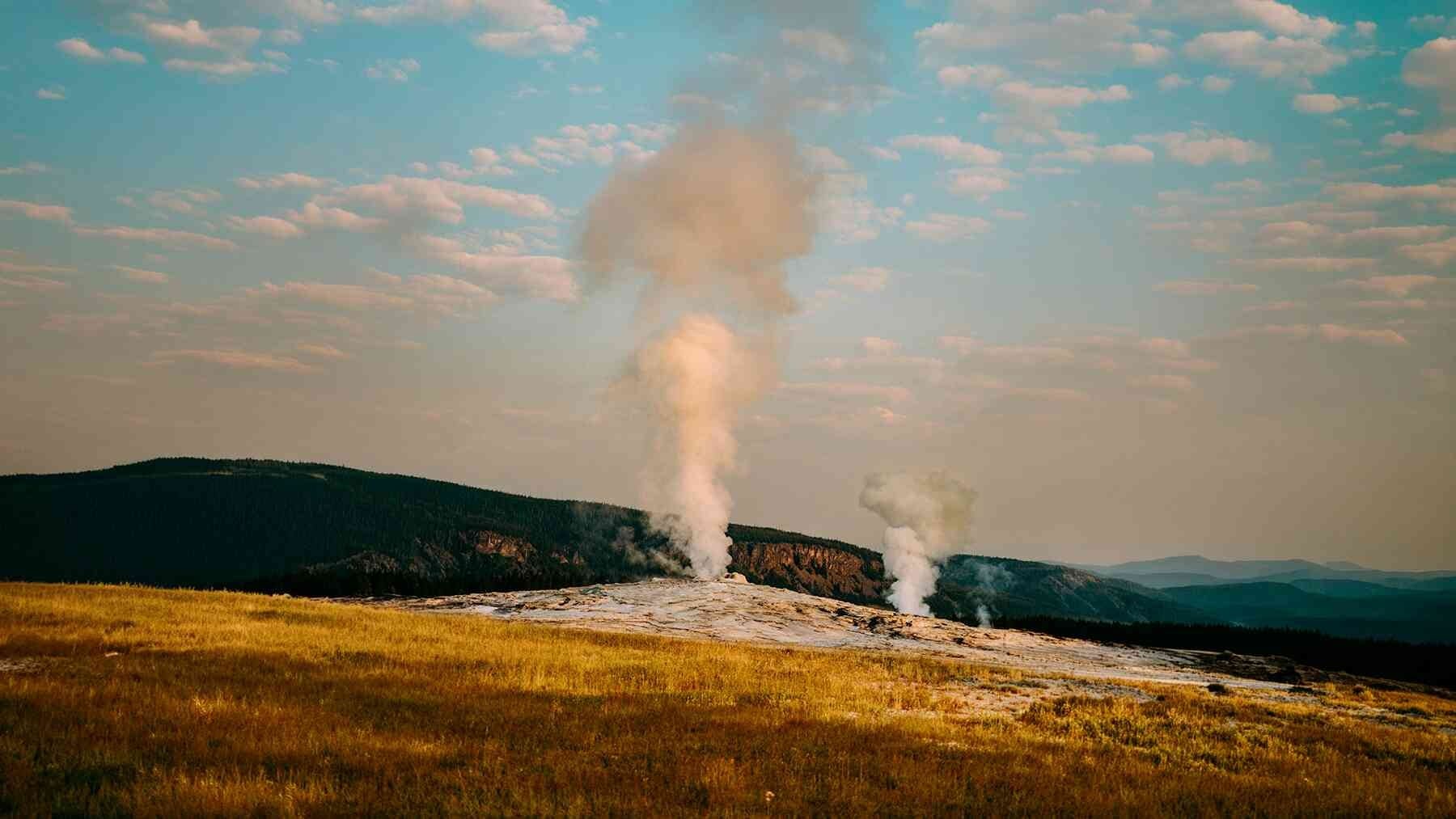
The general population usually only gets to experience projects after they have reached completion, without necessarily understanding the hurdles that developers have to overcome. There are multiple steps that a project must go through before it can be passed as suitable. The approval process is not simple because politics may get involved, meaning developers sometimes have to wait many months before they are given the go-ahead to proceed with an initiative. Recently, the BLM approved the construction of the 60 MW Pearl geothermal energy project in Nevada.
Analyzing the 60 MW Pearl geothermal energy project located in Nevada
The Bureau of Land Management (BLM) is a U.S. federal agency falling under the Department of the Interior that manages an estimated 245 million surface acres and 700 million sub-mineral acres. The land it manages is primarily situated in 12 western states, including Alaska.
The BLM was officially established on July 16, 1946, by President Harry Truman through a government reorganization plan. It was formed by combining two agencies called the General Land Office and the Grazing Service.
with reports suggesting that it employs a staff of almost 10,000 people and partners with thousands of volunteers to protect cultural and natural resources.
It also manages subsurface minerals, administering the sub-surface estate, for instance, oil, gas and coal for approximately 700 million acres nationwide. The organization has a tremendous economic impact in the U.S. with reports suggesting that it employs a staff of almost 10,000 people and partners with thousands of volunteers to protect cultural and natural resources.
Assessing the overall significance of the approval of the construction of the geothermal energy project in Nevada
For many years, the BLM has successfully sustained the health and diversified the productivity of the United States’ public lands for the use and enjoyment of present and future generations. The entity operates an annual budget of over $1.5 billion, which is, for the most part, funded by the federal government and supplemented by user fees.
Through the use of an accelerated 14-day environmental review process, the Bureau of Land Management authorized the Pearl Geothermal Development Project on BLM-managed public lands in Esmeralda County. The project is anticipated to generate an estimated 60 megawatts of geothermal electricity, which as per information provided by the U.S. Energy Information Administration, is sufficient to power almost 50,000 homes.
In 2026, the United States has shown a massive commitment to diversifying its energy portfolio rather than being overly dependent on a single energy source. It is not surprising to see that the BLM approved of a geothermal initiative in Nevada considering that geothermal and other energy developed on BLM-managed public lands boosts Nevada’s economy by $2 billion per year.
Analyzing the United States as the global leader of geothermal production
The United States has been the global leader in geothermal energy for multiple years. According to reports, the nation accounts for an estimated 23% of global operating capacity with almost 4,000 MW of installed capacity. Even though the nation is in such a privileged position, geothermal energy provides less than 1% of total U.S. electrical generation which means there is massive potential for future growth.
Most countries are still learning how to best implement geothermal energy into their portfolio. Geothermal energy harnesses the natural heat which is underneath the Earth’s surface, allowing power plants to drill deep into underground reservoirs of steam and hot water to drive turbines and produce electricity.
Nevada adds another massive geothermal project to its growing landscape
Since the environmental assessment is now complete under emergency permitting procedures, the BLM is working with Ormat Nevada Inc to finalize the authorizing permits for the project. Once this is issued, Ormat is allowed to then start constructing the authorized project consisting of 30-megawatt air-cooled binary geothermal power plants, along with associated wells and facilities and a 29-mile, 120-kilovolt electrical transmission line.
Geothermal facilities hold many advantages over solar ones because they run 24/7 as baseload power not affected by weather conditions. California remains the leading geothermal-producing state, with Nevada ranking second as it possesses 32 power plants.
Prince is a versatile writer focused on energy, automotive, environmental, and general news topics. He makes complex technical and policy issues clear, engaging, and accessible for a broad audience.
