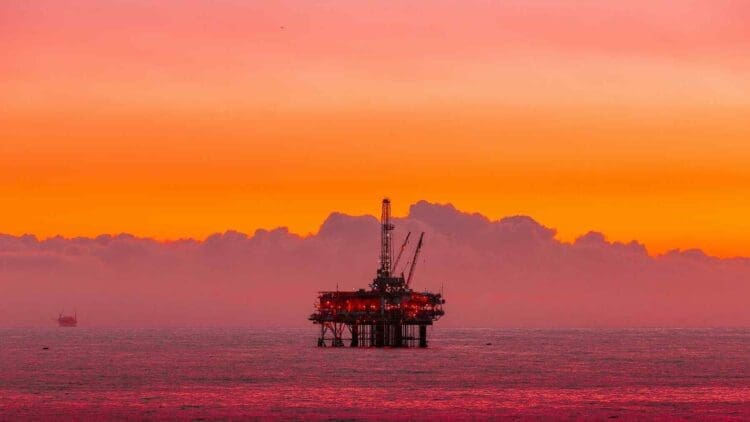

As an example of the way things happen in Egypt’s offshore; there is nothing new here. We’ve come to accept the fact that we have cycles of boom and bust, and most of our time is spent waiting for someone to make up their mind about something. A cycle begins with news of a “discovery” and optimism builds until finally, after all these years, the decision comes.
A discovery that fits an existing system
The current cycle began like any other, however because of the nature of the field, BP and ADNOC made headway (not spectacularly) on their latest offshore venture. The field was found relatively near existing infrastructure which changed everything when it came to developing the field.
This is why instead of needing a separate facility to produce the gas, it can be piped directly to shore much quicker than traditional offshore fields.


This closeness has influenced every aspect of the field development; technically and strategically. BP defined the field as being capable of fast track development at the beginning, so they were able to start working towards production almost immediately. When ADNOC entered the picture, they provided additional momentum through the amount of money they had available and their offshore experience in rapid execution.
How gas will help unlock oil resources for BP
BP’s ability to develop this gas resource adds value beyond meeting domestic energy needs. Securing new gas supplies can allow operators to maintain production levels and continue operating wells in areas that are maturing. Gas is usually the limiting factor for oil production in many areas around the world. Whether it is for pressure support, generating electricity or economically viable, new gas supplies are needed for continued oil production.
Gas will not only provide domestic consumption, but also support ongoing oil operations within BP’s Egyptian asset base. By doing so, BP should see increased stability in their production levels along with decreased operationally constraint issues. The combination of gas providing support for oil production will create a self-sustaining relationship. Whereby gas provides the support for oil, and oil revenue will fund future investments in the upstream area. While this relationship may seem quiet, it is very important.
A partnership based on discipline
BP and ADNOC are making sure they do not build up too much hype for this project. Progress toward development is being described using words such as appraisal, phased development, and tie-backs to existing facilities, rather than large-scale expansion. This cautiousness in describing progress shows the lessons learned across the entire offshore industry. Speed without discipline has led to many problems in the past.
Rebuilding confidence in Egypt’s offshore sector
BP and ADNOC remain focused on validating reservoir characteristics, establishing development plans, and determining if the economics still stand with conservative estimates. ADNOC’s participation in this project continues their selective expansion model of investing outside of their core geographic areas. They prefer to invest in projects where capital efficiency and integration reduce downside risks.
This project represents a larger message to Egypt. Worldwide offshore investment has slowed down, and competitive basins offer better returns. Showing Egypt can quickly convert discoveries into producing fields is a way to show that Egypt remains relevant as a gas and oil producer.
When BP and ADNOC successfully bring on line the gas reserves associated with this project and use them to increase oil production from their neighboring oil fields, this project will no longer be viewed as just a singular discovery. It will represent a prototype of how an infrastructure-led development process can influence Egypt’s next phase of offshore activity. And once again, success will not be judged by how exciting the headlines are. Success will be determined by how many barrels and molecules are produced over time and sold to consumers.