Engineers traced winter vibrations at Sweden’s 69-MW Trattberget wind farm partly to incorrectly installed turbine balancing weights
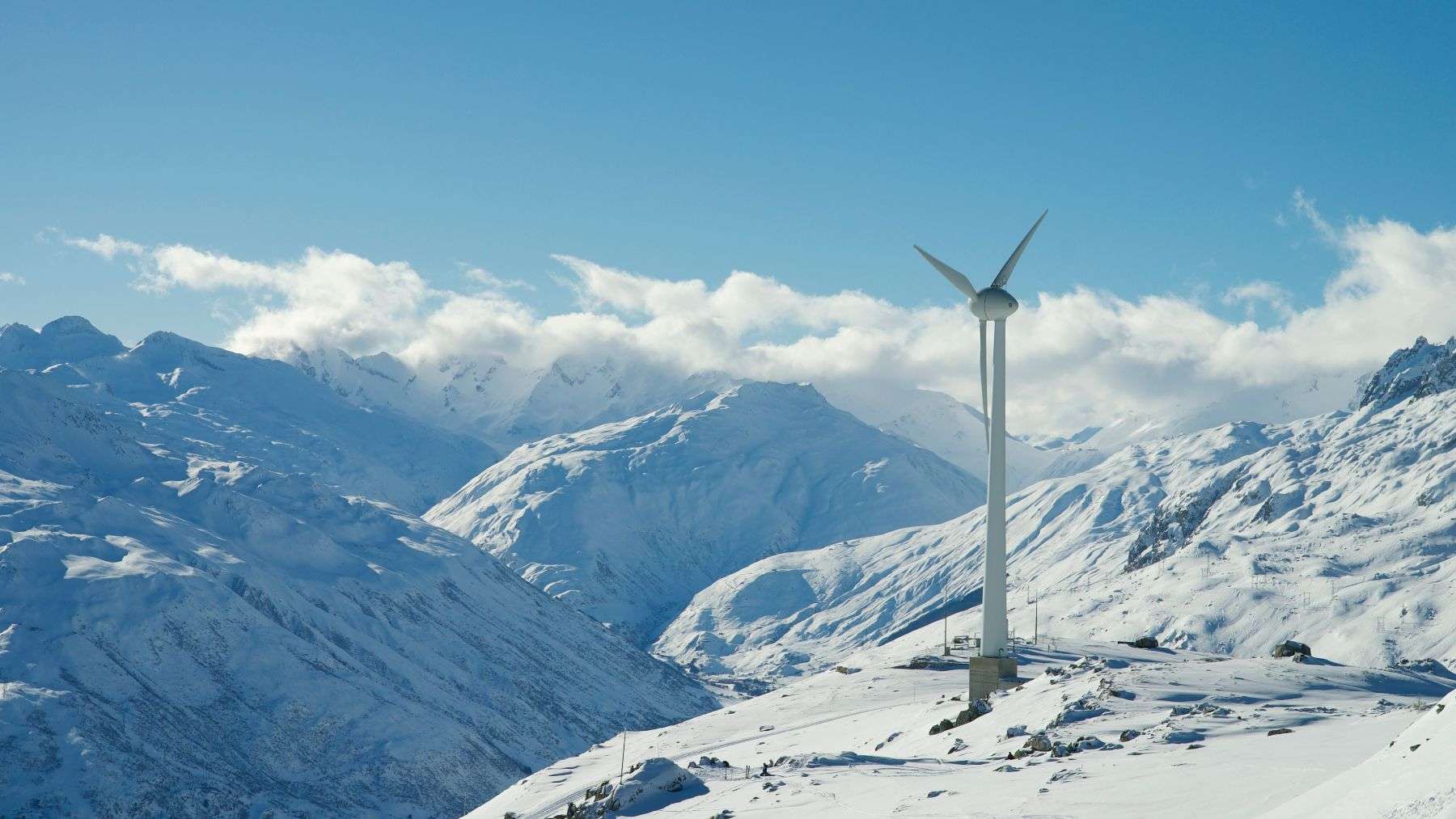
Wind farms in cold climates take on a lot of wear and tear.
The heavy load of generating enough electricity to keep lights on and homes warm also adds to the stress.
Operators often think that it is the ice buildup while spinning in freezing winds that causes winter vibrations.
When RES engineers analyzed the high-frequency data, they detected a distinct mass distribution problem in the rotating parts of two specific turbines.
However, the 69-MW Trattberget wind farm in Sweden decided to take a closer look at the root cause.
What hidden mechanical flaw was actually shaking the turbines during Sweden’s harsh winter months?
Elevated vibrations and recurring alarms at Trattberget wind farm in Sweden
The Trattberget wind farm, located in the forest highlands of northern Sweden, was developed in 2012.
Perched inland, high above sea level, the wind farm turbines are exposed to harsh subarctic winter cold and heavy snow.
In 2019, NTR, a Dublin-based sustainable infrastructure investor and asset owner, acquired the facility.
Upon its acquisition, NTR noticed that the wind farm would undergo severe operational issues, especially during winter.
It would face problems such as high turbine vibrations and frequent alarms going off, disrupting operations.
These issues not only threatened operational efficiency, but they also threatened the long-term viability of the investment.
So NTR sought to understand the root cause of these problems.
The company brought in renewable energy specialist RES to conduct a comprehensive Site Performance Assessment (SPA).
RES engineers visited the site in person and installed an AnemoLive edgebox device.
The device captured full-spectrum, high-frequency static data across the wind farm.
NTR and RES look for the root cause of winter vibrations
Instead of mounting individual devices on each turbine, one AnemoLive edgebox was placed at the center of the wind farm.
The device, created by RES, is specifically designed to unlock high-frequency operational data from wind turbines.
Most wind turbine data devices typically average readings every 10 minutes to save bandwidth and storage.
But a lot of activities can take place in those 10-minute intervals.
Placed at the center, the AnemoLive edgebox was able to tap directly into the raw data streams flowing from each turbine.
It captured signals up to 50 times more granular than standard 10-minute log devices.
When RES engineers analyzed the high-frequency data, they detected a distinct mass distribution problem in the rotating parts of two specific turbines.
In addition, frequent generator overspeed alarms prompted them to activate live high-frequency data streaming.
Data reveals incorrectly installed balancing weights from construction
The engineers reviewed the high-frequency vibration diagnostics from the AnemoLive edgebox alongside on-site turbine inspections.
They discovered that the imbalanced weights of the two problematic turbines dated back to initial construction.
Following this discovery, NTR’s operations and maintenance partner was able to go in and correct the problem.
Within one to two weeks after the correction, the mass imbalance was significantly reduced, and the results were notably observable.
Next, RES engineers analyzed the streaming data from the ongoing generator overspeed alarms.
The live high-frequency monitoring helped them isolate genuine generator overspeed events from false sensor triggers. NTR resolved to continue the live monitoring process.
Ultimately, correcting the mass imbalance significantly reduced vibrations and uneven loads on the turbines.
The end result was a reduction in equipment wear, with an expected reduction in future maintenance costs over time.
High-frequency vibration diagnostics to optimize operations on wind farms
The work done at the 69-MW Trattberget wind farm showed that ice buildup was not the only cause of winter vibrations.
Using high-frequency vibration diagnostics revealed much deeper structural issues that dated back to construction.
Leveraging this data, RES engineers and NTR successfully resolved the underlying cause of the vibrations.
The targeted fix delivered measurable efficiency gains for the wind farm both immediately and over the long term.

Lindi is a copywriter and marketing professional with over 10 years of experience across finance, fintech, luxury lifestyle, and renewable energy. She writes with a keen interest in the business and innovation shaping the energy transition.