
Cutter Aviation has served Prescott’s skies since 1928 and is now building its biggest expansion yet ahead of its centennial
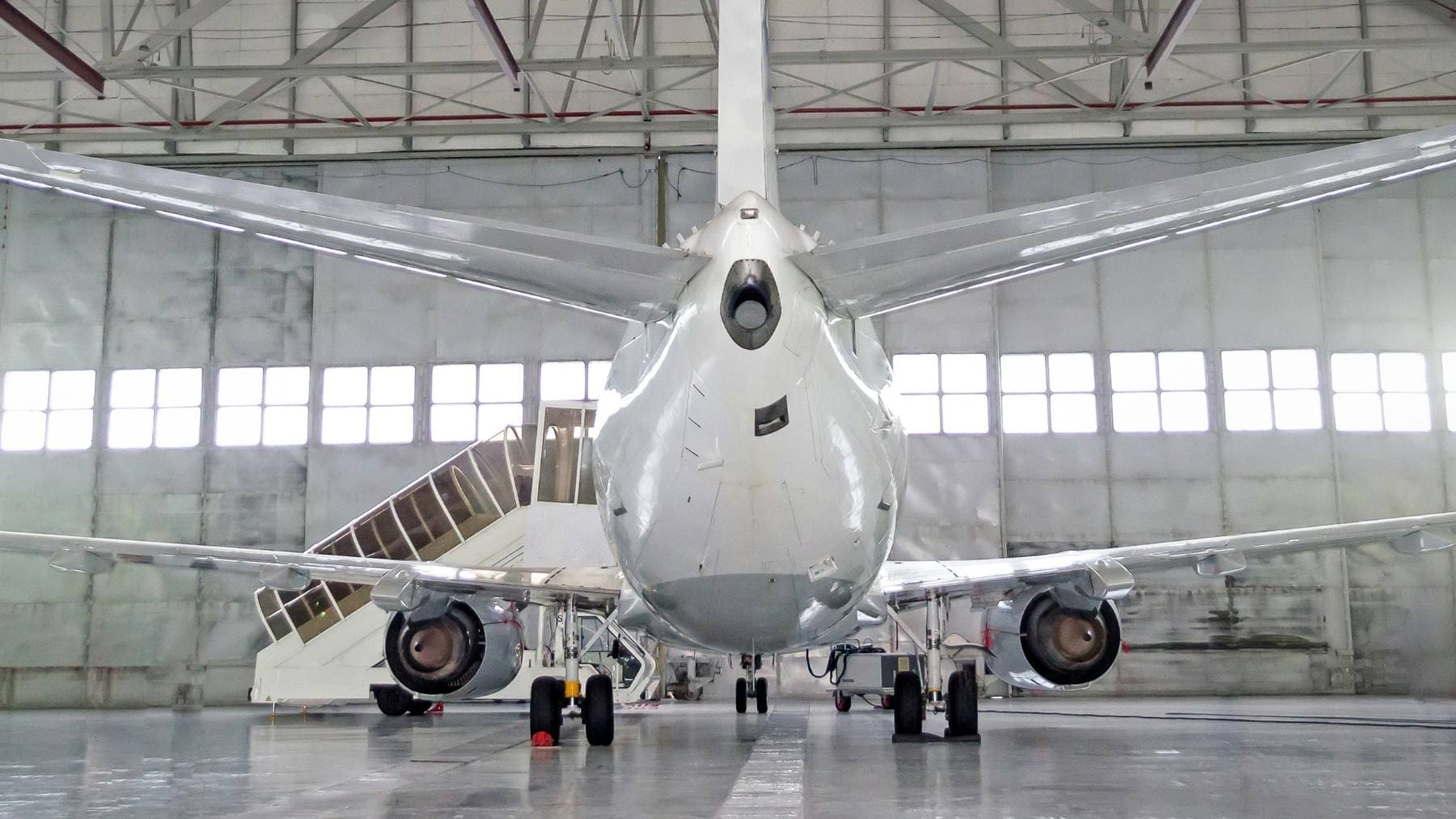
Surrounded by mountains and sitting a mile above sea level, Prescott Regional Airport is one of Arizona’s busiest aviation centers — with a plane taking off or landing every 68 seconds. The Tri-City region has grown into that role gradually, shaped by decades of steady development.
Cutter Aviation was already here long before the growth arrived.
Founded in 1928, the family-owned company has operated at Prescott Regional Airport through the region’s quieter years and its busiest ones alike — and now, as that traffic keeps climbing, it’s preparing for its largest infrastructure investment yet.
Contract fuel arrangements through Phillips 66 bring additional customers to the Prescott facility, a commercial benefit that compounds the reputational one.
A gateway born before the boom
Cutter Aviation’s presence in Prescott didn’t begin with a surge in demand — it began with a conviction that aviation had a future in the American Southwest. Founded in 1928, the company ranks among the world’s oldest family-owned and operated aviation businesses. That longevity isn’t a marketing footnote. It reflects a sustained commitment to a region that spent much of the 20th century still finding its footing.
Prescott Regional Airport has since grown into something few would have anticipated in those early decades. A landing or takeoff every 68 seconds makes it one of Arizona’s busiest aviation centers — a pace driven by steady population growth and rising demand across the Tri-City region of Prescott, Prescott Valley, and Chino Valley.
For many arriving travelers, Cutter Aviation is the first thing they encounter. “For many visitors, we’re their first interaction with Prescott,” said Matt Pruett, Cutter Aviation Prescott’s General Manager. “When someone steps off their aircraft, we want them to feel like they’ve arrived somewhere special.” That sense of welcome has become part of what locals mean when they call Prescott “Everybody’s Hometown.”
From single FBO to regional anchor
What started as a single operation has expanded into a network. Cutter Aviation now runs six FBO locations and six maintenance facilities across the Southwest. The Prescott facility carries a particularly layered role, though — one that extends well beyond fueling and parking.
Corporate jets with wingspans reaching 110 feet share the ramp with general aviation pilots, military missions, and commercial carrier United Airlines. The range of aircraft and operators moving through reflects the airport’s unusual diversity. “We have the room to park them on our ramp where they’re free of any obstructions, which gives peace of mind,” Pruett noted.
During wildfire season, Cutter Aviation supports the U.S. Forest Service tanker base — a mission-critical function in a region that understands the stakes of fire response. That public-safety dimension is easy to overlook, but it’s significant. Embry-Riddle Aeronautical University operates more than 100 training aircraft out of Prescott Regional Airport, with more than 3,000 flight students passing through each year. Cutter Aviation sits at the center of all of it.
Building for the next hundred years
The company’s centennial is still two years away, but the infrastructure work is already underway. Cutter Aviation Prescott recently completed an addition of 86,000 square feet of ramp space, along with a redesign of its original ramp and 24,000 square feet of new parking. The total footprint now spans roughly six acres.
The next phase is larger. A 25,000-square-foot heated executive hangar is set to break ground in May 2026, with completion expected in early 2027. Prescott winters can be hard on aircraft, and customers increasingly expect protection from the elements — the heated design addresses that directly.
Interior upgrades have kept pace with the exterior expansion. A renovated lobby, pilots lounge, and conference room signal that the investment isn’t only about square footage; it’s about the full experience of arriving at and operating from the facility. Prescott Regional Airport is also planning to extend its runway to 10,000 feet, a move that would allow larger aircraft to use the field more routinely — an infrastructure tailwind that aligns directly with Cutter Aviation’s own expansion timeline.
Community roots that run deeper than aviation
Not everything Cutter Aviation does shows up on a ramp diagram. Each October, the Prescott Air Fest draws nearly 5,000 attendees for static displays, flyovers, and family activities — an event Cutter Aviation actively supports, one that reinforces aviation’s place in the region’s identity, not just its economy.
The Bill Cutter Memorial Scholarship, established in 2018 to honor William R. “Bill” Cutter, has awarded $185,000 to 74 students since its founding. It supports business education and reflects the family’s interest in developing human capital alongside physical infrastructure.
Pilots and passengers also choose Prescott for less tangible reasons. “Many visitors choose to fly here instead of the Phoenix area because it offers a more personal experience,” Pruett said. That preference for accessibility over scale is something Cutter Aviation has cultivated deliberately, and it sets the FBO apart from busier, more anonymous operations in larger markets.
A partnership that keeps standards in the air
As a Phillips 66-branded FBO, Cutter Aviation operates within a framework of fuel quality audits and operational evaluations designed to maintain consistency across the network. Those standards matter in an industry where safety margins are non-negotiable.
Phillips 66 Aviation also supports ongoing education and certification through NATA safety programs and technician development — reinforcing accountability at the operational level. “They are always there for us, no matter the hour or question,” Pruett said of the partnership. Contract fuel arrangements through Phillips 66 bring additional customers to the Prescott facility, a commercial benefit that compounds the reputational one.
Ronald Sanchez, Vice President of Aviation at Phillips 66, described Cutter Aviation Prescott as an example of “the highest standards of safety, service and operational excellence” across the branded network. The timing carries a certain symmetry: Phillips 66 Aviation approaches its own centennial in 2027, followed by Cutter Aviation’s in 2028 — two companies built across overlapping eras of American aviation history, arriving at the same milestone within a year of each other.
What the next century looks like
With the hangar groundbreaking set for 2026, the runway extension on the horizon, and the centennial approaching in 2028, Cutter Aviation Prescott is entering a period of visible, measurable change. The question isn’t whether the region will keep growing — the traffic data already answers that — but whether the infrastructure can keep pace.
The investments underway suggest the company is betting it can. “As we approach our centennial, the investments we’re making here reflect both our respect for our history and our commitment to supporting the next generation of aviation in Northern Arizona,” said William W. Cutter, President and CEO.
A runway extension, a new executive hangar, a growing university training pipeline, and an FBO with nearly a century of institutional knowledge — that combination doesn’t come together by accident. For anyone tracking regional aviation in the Southwest, Prescott is worth watching. It comes together over a very long time.
Daniel García is an Editor-in-Chief with strong expertise in structural work and engineering principles. He combines this technical foundation with deep knowledge of energy, spatial design, and emerging technologies, bringing a forward-thinking and analytical approach to editorial leadership.
