
Cutter Aviation has served Prescott’s skies since 1928 and is now building its largest facility yet as the airport approaches a takeoff every 68 seconds
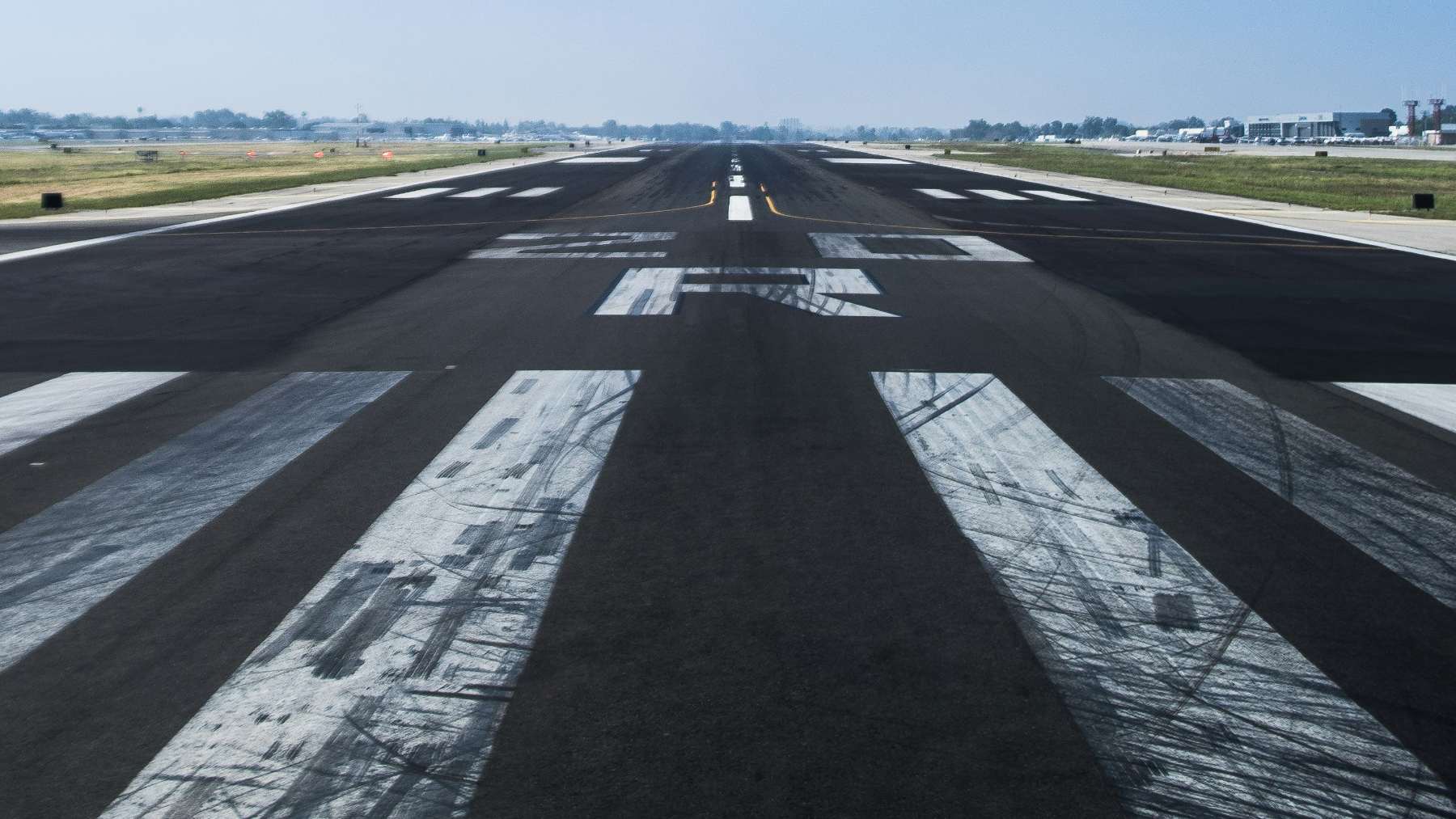
Perched a mile above sea level and ringed by mountains, Prescott Regional Airport has become one of Arizona’s busiest aviation centers — recording a takeoff or landing every 68 seconds.
At the center of it all, largely unchanged in its mission if not its footprint, is Cutter Aviation. Family-owned since 1928, it has spent nearly a century as the first handshake pilots receive when they touch down in northern Arizona. Now, as the company approaches a rare milestone, something larger is quietly taking shape on the ramp.
A mile high and busier than ever
Prescott Regional Airport doesn’t look like a major aviation hub at first glance. Surrounded by ponderosa pines and granite peaks, it carries the feel of a small mountain town. The numbers tell a different story. A takeoff or landing every 68 seconds places it firmly among Arizona’s busiest aviation centers — a pace that mirrors the steady growth of the Tri-City region encompassing Prescott, Prescott Valley, and Chino Valley.
For an airport serving such a varied mix of traffic, the FBO functions as a civic ambassador — the community’s first handshake with anyone arriving by air.
Corporate operators, recreational flyers, military missions, and commercial airline traffic all converge on the same ramp. For most of them, the first face they encounter belongs to Cutter Aviation.
General Manager Matt Pruett puts it plainly: “When someone steps off their aircraft, we want them to feel like they’ve arrived somewhere special.” That’s not just hospitality language. For an airport serving such a varied mix of traffic, the FBO functions as a civic ambassador — the community’s first handshake with anyone arriving by air.
Nearly 100 years of family-owned flight
Cutter Aviation was founded in 1928, placing it among the oldest continuously family-owned aviation companies in the world. That’s not a distinction many businesses in any industry can claim — let alone one operating in a field that has transformed as radically as aviation has over the past century.
The company now runs six FBO locations and six maintenance facilities across the Southwest. Prescott has long anchored the northern Arizona end of that network, welcoming everyone from early aviators navigating by landmarks to today’s Fortune 500 flight departments.
CEO William W. Cutter frames the approaching centennial not as an occasion to look backward, but as a launching pad. “As we approach our centennial,” he said, “the investments we’re making here reflect both our respect for our history and our commitment to supporting the next generation of aviation in Northern Arizona.” The milestone, in other words, is less a celebration of the past than a statement about what comes next.
Expanding the ramp: what the new infrastructure means
The most visible sign of that commitment is currently taking shape on the ground. Cutter Aviation Prescott recently added 86,000 square feet of ramp space and redesigned its original ramp layout, bringing the total ramp and parking footprint to roughly six acres — a meaningful expansion for an operation that regularly handles aircraft with wingspans up to 110 feet.
A new 25,000-square-foot heated executive hangar is set to break ground in May 2026, with completion expected in early 2027. Prescott’s winters can be hard on aircraft parked in the open, and large-cabin jets require space that older infrastructure was never built to accommodate.
“We have aircraft coming in that have 110-foot wingspans,” Pruett noted. “Customers appreciate that we’re not squeezing them into tight parking spots.” The new hangar gives those customers a protected, purpose-built home on the field. A renovated lobby, pilots lounge, and conference room round out the upgrades inside the existing terminal — smaller touches that collectively signal the same underlying investment in quality.
Who actually flies into Prescott — and why
The diversity of traffic at Prescott Regional is worth pausing on. Embry-Riddle Aeronautical University operates more than 100 training aircraft out of the airport and sends over 3,000 flight students through each year, making aviation education one of the field’s defining features. On any given day, those student pilots share the pattern with United Airlines jets, U.S. Forest Service air tankers deployed during wildfire season, and corporate aircraft from national retailers and Fortune 500 companies.
Recreational pilots make up another significant share of arrivals. Prescott’s historic downtown, hiking trails, lakes, and the world’s oldest rodeo draw visitors who could just as easily fly into Phoenix — and often choose not to.
“Many visitors choose to fly here instead of the Phoenix area because it offers a more personal experience,” Pruett said. “It’s easier to get around and the community feels welcoming from the moment you land.” Scale and character are difficult for larger airports to replicate, and that combination keeps pilots coming back.
A runway to the future: what comes next
The trajectory points upward on nearly every axis. Prescott Regional Airport has plans to extend its runway to 10,000 feet — a change that would open the field to a broader class of aircraft and potentially new routes, raising the ceiling quite literally on what the airport can accommodate.
Cutter’s fuel partner, Phillips 66 Aviation, is itself approaching a centennial in 2027, underscoring the depth of that operational relationship. The Bill Cutter Memorial Scholarship, established in 2018, has already supported 74 students with $185,000 in awards — a signal that the company is investing in the pipeline of future aviators, not just the infrastructure serving those who fly today.
With the hangar breaking ground next spring, the runway extension in planning, and 2028 on the horizon, Cutter Aviation Prescott presents a compelling case study: a nearly century-old institution that has learned to grow without surrendering the qualities that made it matter in the first place.

Carlos is an engineer with strong expertise in technical and industrial topics. He previously worked at international companies such as Siemens and is multilingual.
