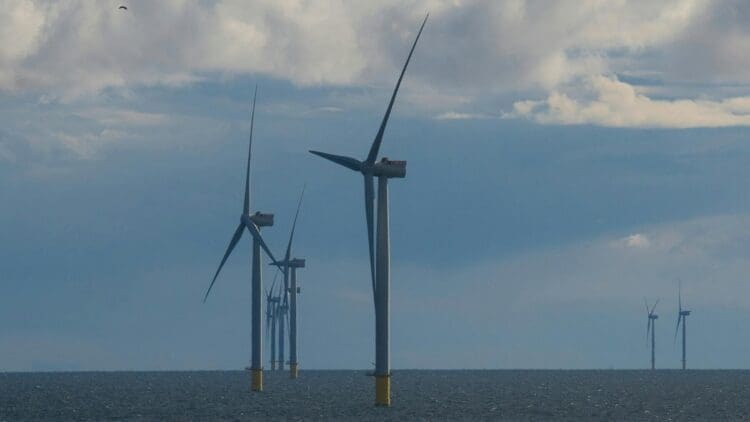

Denmark is the latest European nation to show a desire to generate large-scale renewable energy and reduce carbon emissions worldwide. The energy industry is interesting in that countries are better served collaborating and assisting one another with energy initiatives in order to eliminate fossil fuels and guarantee the longevity of the Earth. In an occurrence that left many people captivated, Denmark authorized the development of the 1.1 GW Thor offshore wind project.
Unpacking the events that led up to Denmark authorizing a wind farm development
Energy projects are complex and multi-layered in diverse ways that the public is unaware of, as they only seek to enjoy the benefits when a development has been finalized. As such, there were a lot of steps that had to be passed before the Danish Energy Agency made the bold decision to approve a long-term electricity production licence for the Thor offshore wind farm. This was massive not only for Denmark but for the entirety of Europe, as it strives to match up with the rest of the continents in terms of commitment to renewable energy generation. One interesting facet of the Danish energy landscape is that the government is heavily involved in the decisions that are made, which increases assurance of projects coming to fruition. The licence will remain valid for 30 years, giving developers ample time to deliver the 1.1-gigawatt (GW) project that will provide electricity for a massive number of people.
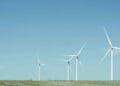
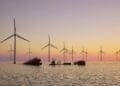
The Thor offshore wind farm is situated roughly 22 kilometres off the west coast of Jutland, giving people who are in and around that region a lot to be excited about.
The 1.1 GW Thor offshore wind project’s imminent arrival: What does it mean?
There was a lot of strategic planning and contemplating that went into the development, which means that its arrival is truly monumental. The authorization basically implies that the Thor offshore wind farm has the responsibility to produce electricity for the next three decades. While this might seem like a difficult task, it is essential to note that wind energy is viewed as a much more reliable energy source, making it easier for the farm to fulfil that responsibility.
Analyzing the aftermath of the authorization of the Thor wind project
For Pernille Asgaar Haaning, who is the CEO of RWE Renewables Denmark, the licence approval was well received as she stated:
“We are very pleased to have received the electricity production licence for Thor offshore wind farm from the Danish Energy Agency. This represents a key milestone on our journey to deliver Denmark’s largest offshore wind project. Once all turbines are fully operational, Thor will play a crucial role in achieving Denmark’s climate goals and in strengthening both Denmark’s and the EU’s energy security.”
Denmark begins the construction of a historic offshore wind development
As things stand, Thor has the full permission to begin connecting turbines to the grid as construction progresses. Importantly, this is the phase where many people will have the opportunity to obtain employment and help the development materialize as expected. The future of Denmark will entail surplus delivery of wind power to homes and businesses. 1.1 GW is a massive amount of output, which is sufficient to meet the electricity demands of over one million households in Denmark. The European nation has a lot of energy-related objectives that it will be able to meet just from the Thor wind project.
2026 is the gift that keeps on giving, particularly in the energy industry, as countries are continuously proving just how intent they are to reduce fossil fuels. Turbine installation is planned for springtime in 2026 with a total of 72 planned wind turbines that will be mounted on monopile foundations, a strategy that has proven to be effective in the past.