
DOE announces $65.5 million in funding to strengthen domestic oil and natural gas production and infrastructure
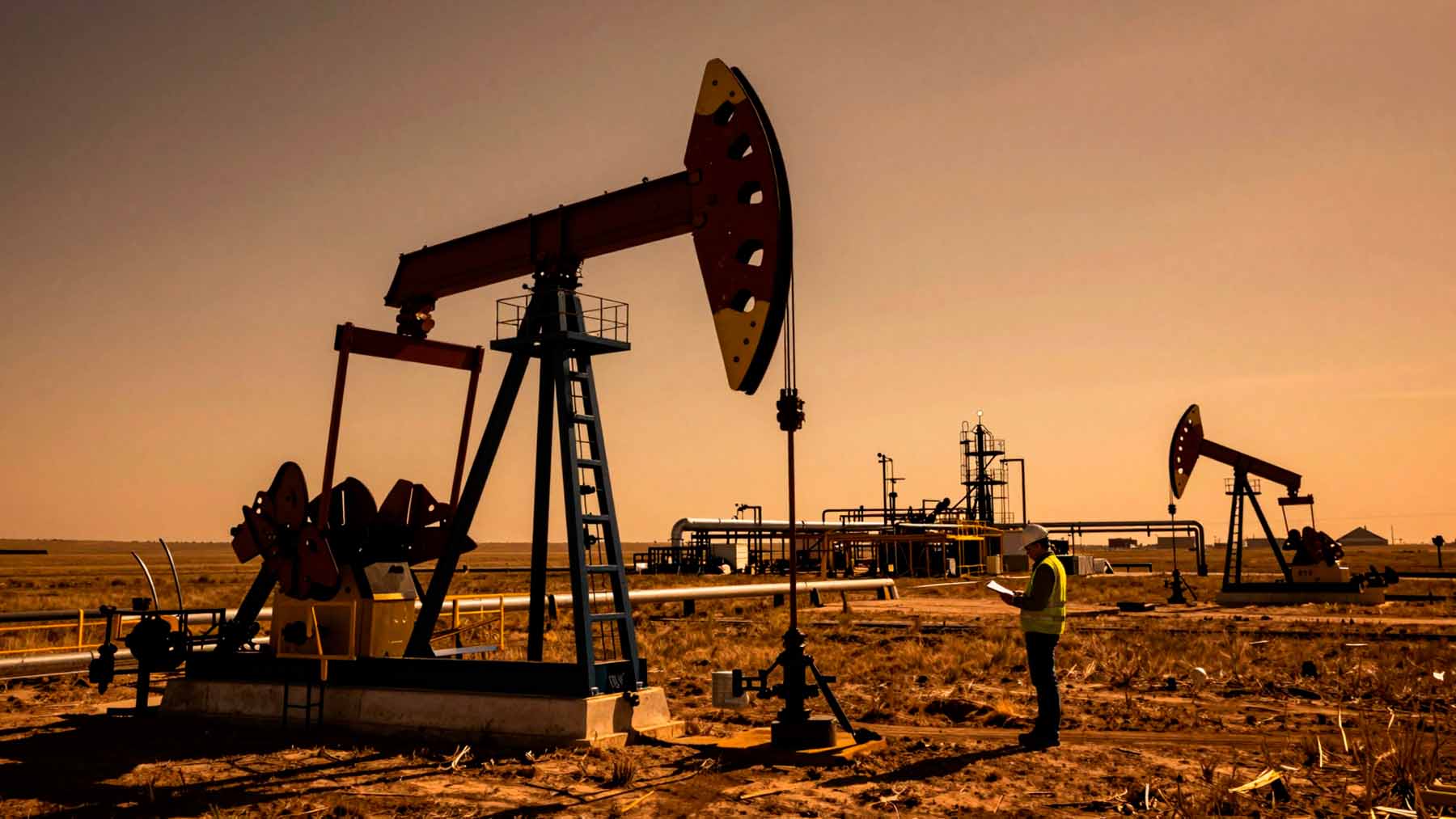 Image generated with artificial intelligence
On July 23, 2026, the U.S. Department of Energy announced up to $65.5 million in federal funding for cost-shared research, development, and deployment projects aimed at domestic oil and natural gas production. The investment targets three broad goals: strengthening production, improving the efficiency and reliability of critical energy infrastructure, and converting underutilized resources into marketable products.
DOE releases $65.5 million funding opportunity for oil and gas sector
The announcement came out of Washington, D.C., on July 23, 2026. The DOE dropped a Notice of Funding Opportunity—a NOFO—looking for innovative proposals from industry and research partners.
Every project funded through this opportunity has to be cost-shared. Federal dollars won’t cover the whole tab, and applicants need to bring their own investment alongside the government’s contribution.
The Department of Energy has made up to $65.5 million available through a formal Notice of Funding Opportunity for cost-shared oil and gas projects.
The scope covers research, development, and deployment — not just early-stage lab work. The DOE wants projects that can move ideas into real-world application in active production environments. If you’re thinking about applying, put this on your calendar now. The deadline is September 22, 2026, at 5:00 p.m. ET.
Executive order and energy policy goals drive the investment
This funding doesn’t exist in a vacuum. It directly supports President Trump’s Executive Order titled “Unleashing American Energy,” which frames domestic oil and gas development as a national priority.
DOE Under Secretary of Energy Kyle Haustveit laid out the administration’s thinking plainly. “This funding opportunity will help American producers eliminate waste, improve efficiency, and deliver the affordable, reliable, and secure energy that powers our economy and strengthens our national security,” he said in the announcement.
The national security angle is worth paying attention to. A stronger domestic oil and gas supply chain reduces U.S. dependence on foreign energy sources — a point the administration has pushed consistently across its energy policy agenda. This $65.5 million opportunity also builds on earlier DOE action: the department recently put out a separate $150 million funding opportunity focused on unconventional oil and gas recovery, hydraulic fracture characterization, and produced water management. Taken together, the two announcements point to a sustained federal push to modernize and expand domestic energy capacity.
Three technical priority areas defined in the funding notice
The NOFO breaks eligible projects into three distinct technical areas, each targeting a different part of the oil and gas value chain.
Area 1 focuses on getting more value out of stranded and underutilized resources. The goal is to develop and validate technologies that can turn gas streams — including ones that would otherwise be flared or are held back by contaminants like sulfur — into high-value, transportable products. Projects are expected to go from lab-scale catalyst and reactor work all the way to field-testing modular conversion systems and sour gas processing facilities in active production basins.
Area 2 targets supply chain durability and infrastructure reliability. This one’s about physical hardware: compressors, valves, piping, storage tanks, coatings, and alloys. The DOE wants projects that develop, validate, and field-test advanced materials and equipment designed to prevent product losses and keep energy moving safely and efficiently through the system.
Area 3 is where digital technology comes in. The DOE is looking for projects that speed up the adoption of AI-supported digital twins, continuous monitoring systems, and infrastructure optimization tools in the upstream and midstream sectors. These tools are meant to increase saleable hydrocarbons, cut operating costs, and track how emerging technologies perform in real field conditions.
The three areas cover the full arc—from resource extraction and conversion to physical infrastructure and digital operations.
Context: Oil and natural gas infrastructure underpins multiple U.S. sectors
It’s worth stepping back to see how much of the U.S. economy depends on this infrastructure. Domestic oil and natural gas systems supply energy for manufacturing, chemical production, electric power generation, residential consumers, and a growing energy export sector.
That reach is part of why the DOE treats infrastructure reliability as more than just an industry concern. Disruptions or inefficiencies in oil and gas delivery can ripple across multiple sectors simultaneously. The cost-sharing requirement built into this opportunity reflects a deliberate policy choice—by requiring industry partners to co-invest, the DOE ensures federal dollars are matched by private-sector commitment and that the technologies developed have a clearer path to commercial adoption.
This NOFO also fits into a broader DOE strategy. Alongside the earlier $150 million opportunity for unconventional recovery and produced water management, the department is building a coordinated portfolio of investments across different segments of the oil and gas sector.
Converting stranded and underutilized resources
Here’s what you need to know. The Department of Energy has made up to $65.5 million available through a formal Notice of Funding Opportunity for cost-shared oil and gas projects. The announcement dropped July 23, 2026, and the application window closes September 22, 2026, at 5:00 p.m. ET.
The funding covers converting stranded and underutilized resources into marketable products, improving the durability of physical infrastructure and supply chains, and deploying digital tools like AI-driven digital twins and continuous monitoring systems. All funded projects must include cost-sharing from non-federal partners.
The investment aligns with President Trump’s “Unleashing American Energy” executive order and complements the separate $150 million DOE opportunity announced earlier.

Kelly is an experienced writer with 15 years of experience exploring the big stories that shape our world, from tech breakthroughs and space exploration to climate, energy, and the fascinating quirks of science. She has a talent for turning complex ideas into sharp, memorable insights that stay with readers long after they’ve finished reading.
