
Dominion Energy Virginia files 20-year early site permit renewal request for North Anna nuclear plant
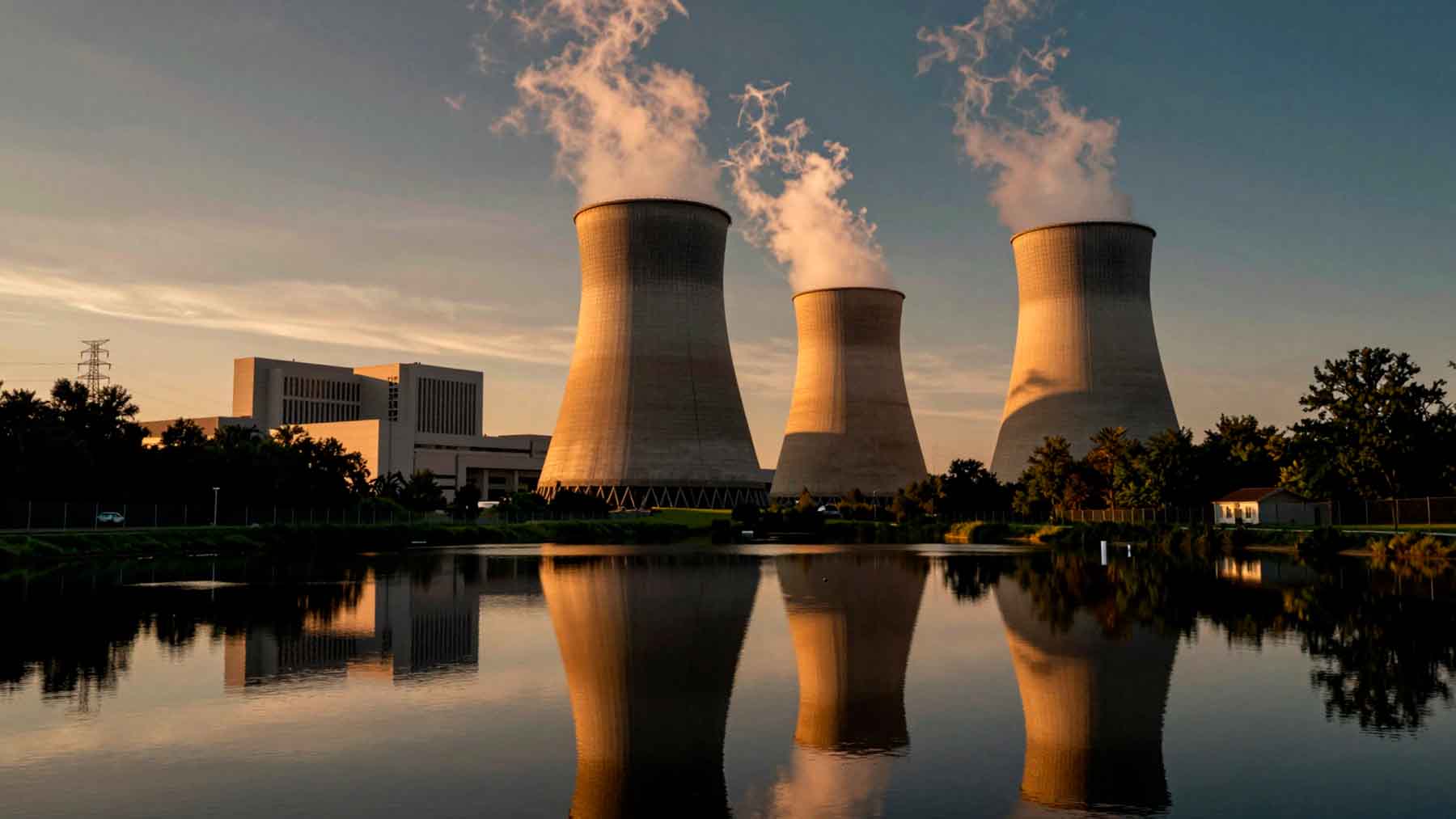 Image generated with artificial intelligence
Dominion Energy Virginia has asked federal regulators to extend the early site permit for its North Anna nuclear power plant in Louisa County for another 20 years. The company submitted the renewal application on July 14, and the Nuclear Regulatory Commission acknowledged receipt two weeks later.
The current permit is set to expire in November 2027—and that deadline is closer than it sounds.
Dominion submits ESP renewal application to the NRC
Dominion Energy Virginia filed its early site permit renewal request on July 14, targeting a 20-year extension of the existing permit. The site covered by the application sits adjacent to North Anna Units 1 and 2 in Louisa County, Virginia. The Nuclear Regulatory Commission acknowledged receipt on July 28, kicking off a multi-step administrative process before any formal review even begins.
The specific scope of a renewal review may differ from an initial permit application, since many foundational questions about the site have already been addressed.
On the surface, it looks straightforward—a company asking regulators to extend a permit. The implications, though, reach well beyond paperwork.
Why Dominion is pursuing the renewal now
Timing matters here. North Anna’s current early site permit expires on November 27, 2027. That sounds like it’s still a ways off, but NRC reviews take time, and letting a permit lapse while scrambling to revive it later isn’t a real option.
Filing ahead of expiration is a procedural necessity. Under NRC rules, submitting a renewal application while the existing permit is still valid keeps that permit alive during the review period—miss that window, and Dominion could have forfeited site approval entirely, being forced to start from scratch. There’s also a strategic dimension. An early site permit lets Dominion preserve its options at North Anna without committing to a specific reactor design or construction timeline, keeping the door open for potential new nuclear capacity on the company’s schedule rather than a regulatory deadline’s.
What the NRC review process entails
Receiving an application doesn’t mean the review has started. The NRC’s first move is checking whether the submission is complete—confirming all required documentation is present before formally accepting it.
Once the agency confirms sufficiency, it’ll docket the application and publish notice in the Federal Register. That publication is the official starting gun for formal review and opens the door for public participation, which typically follows docketing under standard NRC procedures. From there, the process can involve technical assessments, safety evaluations, and environmental analysis. The specific scope of a renewal review may differ from an initial permit application, since many foundational questions about the site have already been addressed. No public timeline for completing the review has been specified.
Background: what an early site permit is and why it matters
An early site permit is a specific type of NRC authorization that resolves key questions about a site’s suitability for nuclear construction—independently of any particular reactor design. Regulators examine environmental impacts, safety considerations, and emergency planning for the location itself, without needing a final decision on what kind of reactor might eventually be built there.
That separation is the whole point. A utility can lock in site approval years—even decades—before committing to a reactor technology, a construction schedule, or a financing plan. It’s a way of managing regulatory risk in an industry where the gap between initial planning and actual operation can span a generation.
North Anna Units 1 and 2 are existing Westinghouse pressurized water reactors that have been generating electricity since the 1970s and 1980s. The site carries a long operational history, and the early site permit covers adjacent land where additional units could theoretically be built. Dominion’s decision to renew signals continued interest in expanding nuclear generation there.
That interest doesn’t exist in a vacuum. Across the U.S., utilities and policymakers are revisiting nuclear power as a source of carbon-free baseload electricity—the kind that runs around the clock regardless of weather. As electricity demand grows, driven by data centers, transportation electrification, and industrial loads, sites with existing nuclear infrastructure and established regulatory histories carry real appeal.
Extending site authorization for 20 years
Here’s where things stand. Dominion Energy Virginia submitted its early site permit renewal application to the NRC on July 14; the agency acknowledged the filing on July 28. Before formally docketing the application in the Federal Register—which triggers the official review process and opens a window for public comment—the NRC will first assess whether the submission is complete.
The renewal request covers the site adjacent to North Anna Units 1 and 2 in Louisa County, Virginia. The existing permit expires November 27, 2027. A successful renewal would extend site authorization for another 20 years, preserving Dominion’s ability to pursue new nuclear construction at the location without locking in a specific design or timeline.
No construction decision has been announced. The permit renewal is exactly what it says it is—a step to keep future options open while regulators and the company continue assessing what comes next at North Anna.

Kelly is an experienced writer with 15 years of experience exploring the big stories that shape our world, from tech breakthroughs and space exploration to climate, energy, and the fascinating quirks of science. She has a talent for turning complex ideas into sharp, memorable insights that stay with readers long after they’ve finished reading.
