
Duke Energy Foundation awards $100,000 in emergency grants to Ohio and Kentucky storm relief nonprofits
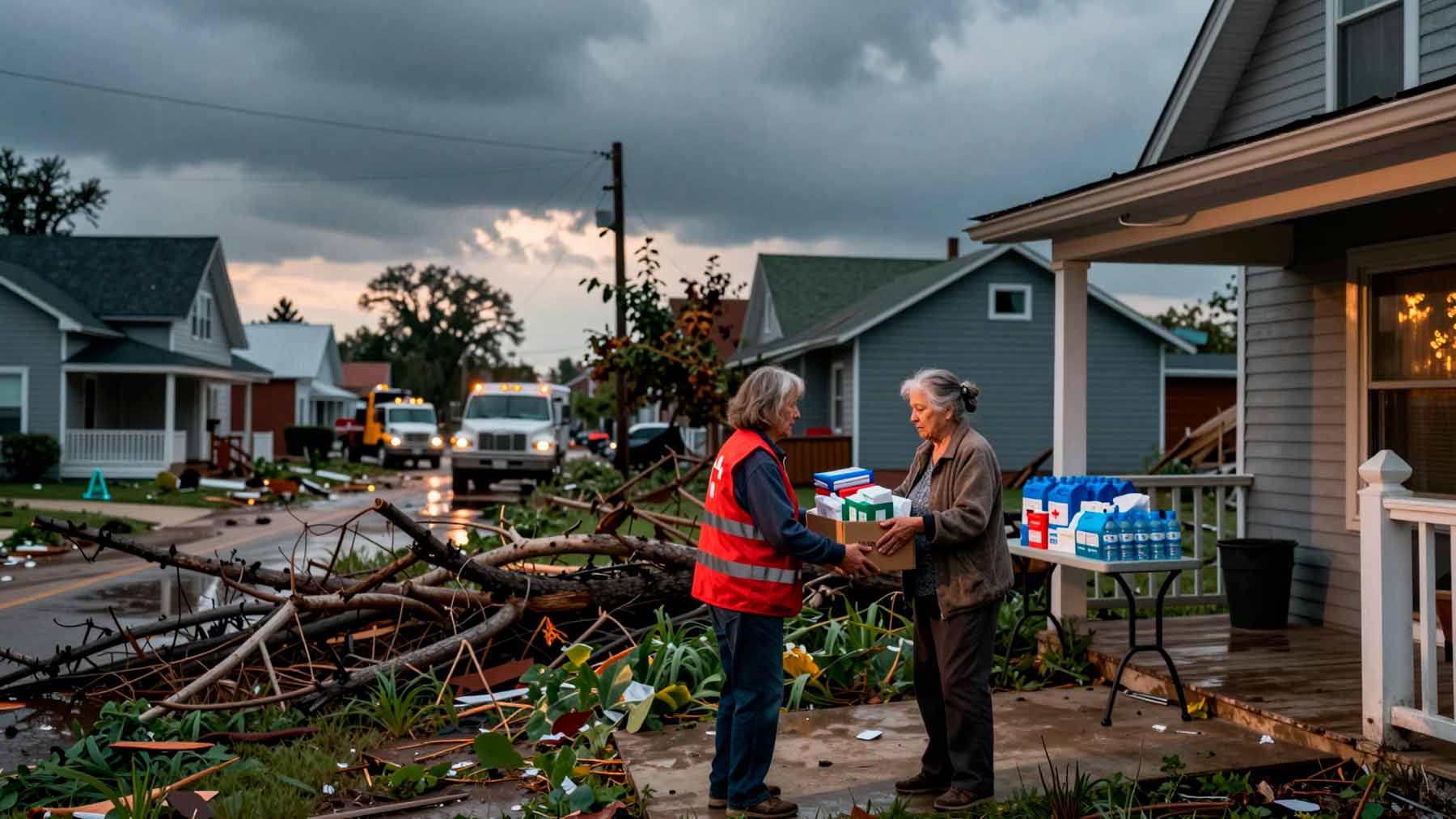 Image generated with artificial intelligence
The Duke Energy Foundation announced $100,000 in emergency grants this week to three nonprofit organizations helping communities recover from severe storms that swept across Ohio and Kentucky, knocking out power to more than 180,000 customers. The funding moves fast—directed to groups already on the ground providing food, shelter, and relief supplies to affected residents.
The foundation commits $100,000 to three regional nonprofits
The biggest chunk—$75,000—goes to Freestore Foodbank, which will use it to provide food, water, and other essentials to storm-affected communities. The American Red Cross receives $15,000 to support shelter operations and disaster recovery for displaced or vulnerable residents. Matthew 25: Ministries gets the remaining $10,000 to distribute disaster relief supplies, hygiene kits, cleaning products, and other recovery materials to people working to rebuild their routines.
Together, these organizations cover an unusually wide range of immediate needs—from basic nutrition and emergency housing to hands-on cleanup support.
They’re part of a broader philanthropic operation the Duke Energy Foundation runs year-round, one that extends well beyond disaster response.
Severe storms triggered widespread outages and infrastructure damage
The storms that prompted this response weren’t a minor weather event. Damaging winds and downed trees swept through Ohio and Kentucky, hitting homes, businesses, and community infrastructure across a wide area. At the storm’s peak, more than 180,000 Duke Energy customers lost power—a level of disruption that puts enormous pressure on both utility crews and local relief organizations simultaneously.
Duke Energy crews are still working to safely restore service. That kind of round-the-clock effort takes time, and in the meantime, residents need food, clean water, and somewhere safe to stay.
Grants intended to address community needs beyond power restoration
Getting the lights back on is only part of the recovery equation. Duke Energy leaders were direct about that.
“Our employees and contractors are working around the clock to restore power, but recovery doesn’t end when the lights come back on,” said Amy Spiller, Duke Energy Ohio and Kentucky president. “These grants will help local organizations provide critical support to families and communities impacted by this storm.”
Loree Elswick, president of the Duke Energy Foundation, framed it similarly. She noted that local nonprofits are often among the first to respond after a disaster—and the last to leave. “These emergency grants will help our community partners meet immediate needs, provide support to vulnerable residents, and help communities begin the recovery process,” Elswick said.
Routing funds through established local organizations makes practical sense. Groups like Freestore Foodbank and the Red Cross already have the infrastructure, the community trust, and the operational capacity to move quickly—so directing money to them means help reaches people faster than building a parallel response from scratch ever could.
Duke Energy Foundation’s broader philanthropic role
These emergency grants don’t exist in isolation. They’re part of a broader philanthropic operation the Duke Energy Foundation runs year-round, one that extends well beyond disaster response.
The foundation provides nearly $30 million annually in philanthropic support to communities where Duke Energy customers live and work. That funding comes from Duke Energy shareholders—not ratepayers. Your electricity bill doesn’t fund these grants.
Duke Energy itself is one of America’s largest energy holding companies, a Fortune 150 firm headquartered in Charlotte, North Carolina. Its electric utilities serve 8.7 million customers across six states: North Carolina, South Carolina, Florida, Indiana, Ohio, and Kentucky. The company also serves 1.6 million natural gas customers in four of those states.
The emergency grants complement the company’s ongoing storm response rather than replace it. Utility crews handle the technical work of restoring power infrastructure, while the foundation’s grants address what comes next—making sure vulnerable residents have food, shelter, and supplies while that restoration work continues.
The Duke Energy Foundation committed $100,000 in emergency grants
Here’s what matters most from this announcement. The Duke Energy Foundation committed $100,000 in emergency grants to Freestore Foodbank ($75,000), the American Red Cross ($15,000), and Matthew 25: Ministries ($10,000) to support storm recovery across Ohio and Kentucky.
The grants respond to severe weather that knocked out power to more than 180,000 customers at its peak, with damaging winds and downed trees affecting homes, businesses, and infrastructure across the region. Duke Energy crews are still actively working to restore service.
The foundation’s position is clear: restoring electricity is necessary, but not sufficient on its own. Vulnerable residents need food, water, shelter, and supplies during and after an outage—and trusted local nonprofits are best positioned to deliver those things quickly. That’s exactly who received this funding.
The Duke Energy Foundation funds this work with shareholder dollars, not customer rates, and distributes close to $30 million in philanthropic support each year across the communities it serves. These emergency grants show how that money gets put to work when a region needs it most.

Kelly is an experienced writer with 15 years of experience exploring the big stories that shape our world, from tech breakthroughs and space exploration to climate, energy, and the fascinating quirks of science. She has a talent for turning complex ideas into sharp, memorable insights that stay with readers long after they’ve finished reading.
