
EACOP reports full delivery of pipeline materials for Uganda–Tanzania crude export project
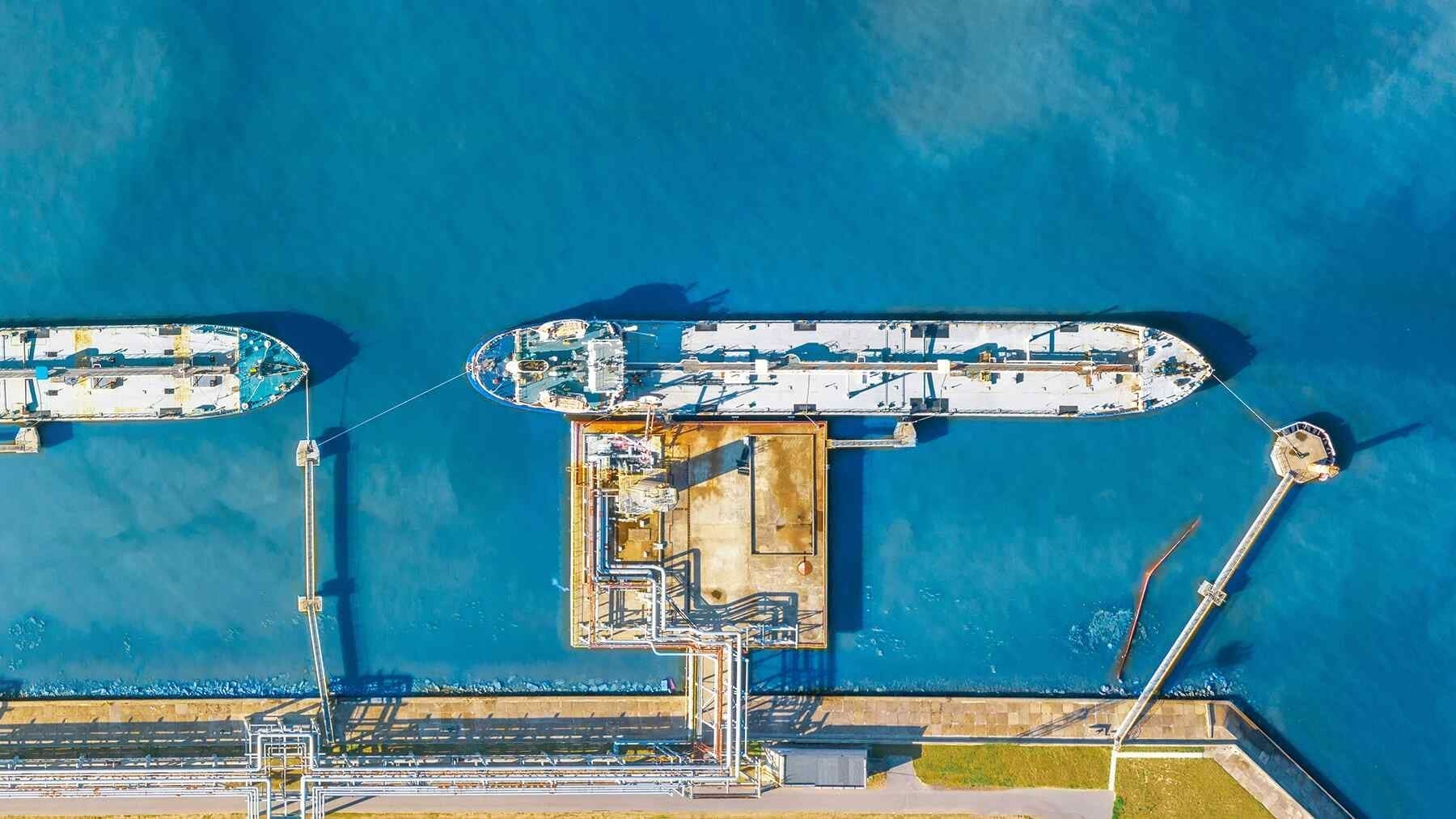
For large export pipelines, route approval alone does not create “reality”; a project becomes tangible only when materials arrive at locations where construction can proceed. Over the past two years, EACOP has therefore signaled execution through a series of delivery milestones marking progression toward implementation, with project updates emphasizing procurement and logistics as the critical next phase.
Context for the project; structure for EACOP
The overview for EACOP describes this project as the export pipeline for crude produced in the Lake Albert region of Uganda and identifies Tilenga and Kingfisher as upstream developments to supply crude to the pipeline at Kabaale.
EACOP reports that the route through Tanzania was formally agreed upon in April 2016. Detailed studies of the corridor were conducted in order to narrow the corridor to 30 meters in width between 2016 and 2018 to allow for land surveys and conduct environmental and social impact assessments.
In September 2024, EACOP issued another delivery update documenting insulated line pipe arriving at the Main Camp and Pipe Yard 4 (MCPY 4) in Kyotera District.
The project was developed and built by a dedicated pipeline company, which is funded and operated according to a shareholders’ agreement that became effective in February 2022.
There is an intergovernmental agreement (signed in May 2017), host government agreements (signed in April and May 2021), and a shareholders’ agreement defining ownership and management. According to EACOP, TotalEnergies holds 62%, UNOC and TPDC hold 15% each, and CNOOC holds 8%. EACOP explains that the company is registered in the United Kingdom and operates as a fiscal resident in Uganda under a Transport and Tariff Agreement.
What does “delivery of materials” mean within the construction plan
As part of its description of building the pipeline, EACOP outlines a logistics chain that begins in the coastal area and ends at the right‑of‑way. This includes 18‑metre‑long pipe sections being transported to a coating facility for thermal insulation and external protective coating, then moved to main camps and pipe storage facilities until ready for use.
Additionally, to this construction sequence, EACOP has documented staging of delivery updates. In December 2023, EACOP released an announcement regarding the arrival of 100km of line pipe at the port of Dar es Salaam and referred to this event as initiating the main construction phase of the cross-border pipeline.
In September 2024, EACOP issued another delivery update documenting insulated line pipe arriving at the Main Camp and Pipe Yard 4 (MCPY 4) in Kyotera District. The announcement indicated that the insulated line pipe would be welded and buried along the right‑of‑way and that pipeline laying would begin immediately in Uganda by the contracted pipelayer.
The delivery milestone highlighted by EACOP
EACOP points to a particular “full delivery” milestone supported by its own documentation based on reporting related to line‑pipe transportation in respect to the Ugandan segment, not a general declaration relating to all categories of materials in both countries.
In this context, the January 2026 update included a logistics milestone achieved on January 10th, 2026: the final truck delivering line pipes arrived at MCPY 4, thereby completing line pipe transportation for the Ugandan segment. Further noted was that line‑pipe manufacture was completed in China in September 2025 and that insulating operations were concluded in Tanzania on December 27th, 2025.
Together with prior EACOP announcements concerning initial deliveries of 100 km of line pipe into Dar es Salaam and later insulated line pipe deliveries into Uganda, the January 2026 milestone may be viewed as closing EACOP’s materials narrative. It reflects completion of line pipe transportation for the Ugandan segment and a transition from sequential material delivery to ongoing field implementation.
Staged deliveries and executive risk
Accordingly, EACOP’s statements emphasize tracking delivery as staged: early shipments of line pipe in Tanzania; delivery of insulated line pipe into Uganda; and completion of line pipe transportation for the Ugandan segment. Having overcome these logistical hurdles, questions arise as to whether installation processes will keep pace with EACOP’s published pipeline construction sequence.
