
Ebooks: A Sustainable Alternative to Paperbacks?
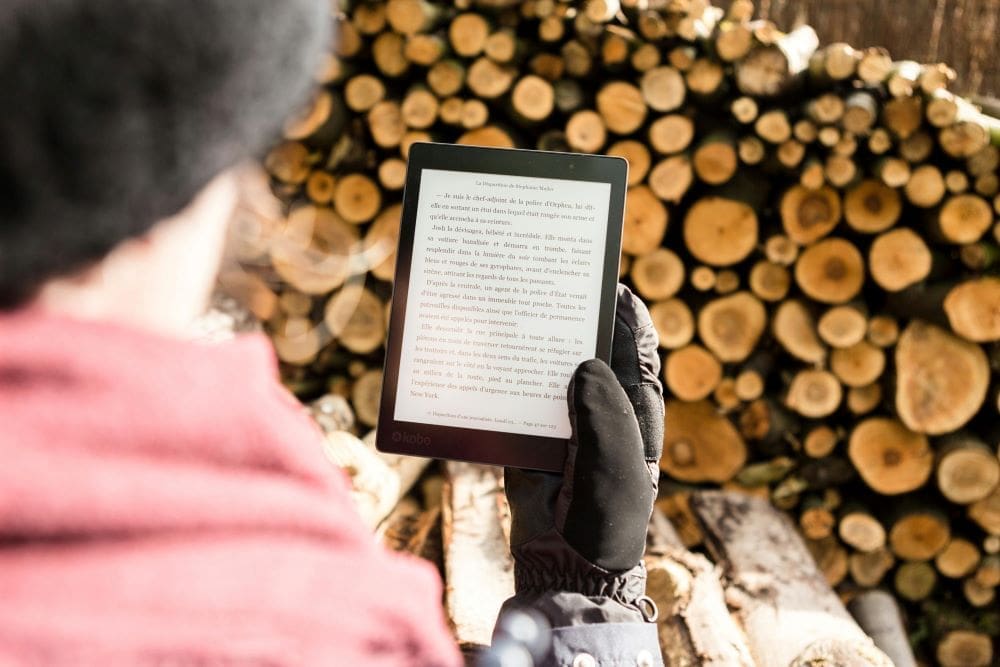
In this digital age, finding electronic or virtual substitutes for things in our daily lives has become common. Ebooks or electronic books have coexisted with their traditional counterparts for many years. A Sustainability study from 2023 highlights how usability and the need to read have become key factors in the rise of ebook use.
Among many valuable features that ebooks offer, avid readers can benefit from the convenience of keyword search, portability, and reading anytime. Since the dawn of e-readers in the 1990s, many bookworms have enjoyed the accessibility of ebooks for reading — whether for fiction, non-fiction, or even educational purposes.
Still, the shift toward fully digital may be a long way away. While ebooks are popular for various reasons, many readers still prefer traditional paperbacks and printed formats. However, arguments have been made over the years for ebooks as a more sustainable and eco-friendly alternative to printed books. Below, we’ll take a closer look at some of these arguments:
It’s also important to note that the use of digital devices is also considered a contributor to carbon emissions due to their production and lifecycle.
Ebooks as an accessible alternative
As mentioned, one of the many benefits of reading using ebooks is their digital format. Most ebook formats available today can be read on various platforms and devices, from smartphones to tablets and desktop computers.
There are also specific platforms that house ebooks and audiobooks, in case you need the latter format for accessibility purposes. Ebook subscription platform Everand does this and more by offering access to magazines in digital formats. Everand also allows readers to download and access these books offline, so you don’t have to be tethered to an Internet connection. Readers also have a choice of ebooks from various genres, ranging from international crime bestseller Something in the Water to non-fiction classics like The Subtle Art of Not Giving a F*ck.
Aside from the convenience and accessibility, readers can also reduce their carbon footprint. Ebook platforms eliminate the need to travel to stores to buy books physically, and readers don’t have to order physical books online, increasing carbon emissions via shipping. Instead, everything is done and handled digitally.
Ebooks reducing carbon black
A commonly overlooked aspect of carbon emissions is the production of carbon black, which is the substance resulting from incomplete combustion of carbon, vegetable matter, and fossil products. In our previous “Technology Breakthrough Transforms Flaring Gas to Clean Hydrogen” post, we highlighted how the production of some paperbacks, which involve printing, relies on carbon black as a pigment.
It may be challenging or even problematic to imagine a world where we no longer print books and instead present them entirely digitally. Still, it’s interesting to consider the possibility of reducing or eliminating the need for carbon emissions and carbon black use without printing.
Today, carbon black or black carbon is considered one of the biggest contributors to global warming after carbon dioxide. According to insights from the World Economic Forum, it is also closely linked to health risks such as respiratory disease, cardiovascular disease, cancer, and other concerns.
Ebooks for saving space and storage
Finally, storing and preserving ebooks are achieved differently than their traditional counterparts. After all, for avid readers and book lovers, storing paperbacks often requires very specific resources and setups to ensure books don’t get damaged or lost over time.
Based on insights from the Conservation Center for Art & Historic Artifacts, printed books are sensitive to various factors. These include light, heat, humidity, insects, dust, and human handling. After all, books are made of different organic and inorganic components, such as wooden boards, paper or parchment leaves, cloth or leather coverings, and many different inks and pigments.
As such, those who take bookkeeping and collecting seriously may spend many resources trying to preserve their quality and durability. This may include using appliances and contributing to carbon emissions to control room temperatures and humidity and using chemicals and cleaners to keep rooms clean from dust or debris. On the other hand, ebooks only really need maintenance of your digital devices.
Ultimately, while ebooks will probably not completely replace printed ones anytime soon, experts and researchers have long noted their advantages, convenience, and other benefits compared to print. It’s also important to note that the use of digital devices is also considered a contributor to carbon emissions due to their production and lifecycle. Still, further innovations in digital technologies in the future may rectify this.
If you found this post useful, you can check our website for more insights on American energy from Energies Magazine.
