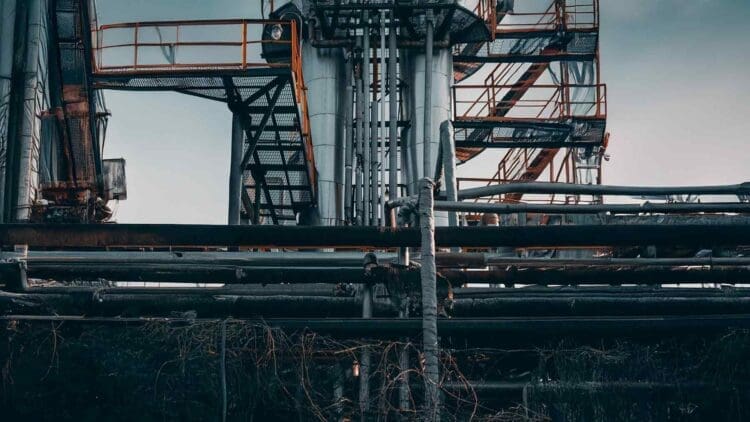

When you consider what Enbridge is doing with its mainline network, the upgrades are very minor; however, they show a major philosophical shift in how crude oil is going to flow across North America. While there is no question that these changes represent a significant departure in philosophy, the magnitude of these changes, by themselves, seems like they would be completely insignificant when compared to other components of a pipeline (i.e., pumps).
A system that underpins North American energy flows
One of the largest arteries for energy distribution in North America is the Enbridge Mainline. Originating in Edmonton, Alberta, Canada, it serves the U.S. Midwest refineries and beyond, providing continuous crude oil delivery to areas that require consistent crude oil deliveries.
This network has progressed from a bottleneck to a backbone structure and supports both Canadian Producers and U.S. Refineries.



Enbridge is taking the opposite route of many companies today, which are seeking to expand their networks. Enbridge is looking within, as opposed to increasing its network, to see if it can increase the flexibility and capacity of the existing infrastructure.
Incremental changes with broader ambitions
While many people view these upgrades as merely “incremental,” Enbridge views them as part of a larger effort to unlock potential in its current system.
Phase I of the Mainline Optimization Program involves modifying the system so that approximately 150,000 barrels/day of new capacity is created using items such as drag-reducing agents, modifications to piping configurations, and upgrading terminals. While some of these individual pieces of equipment may be considered relatively minor changes individually, together they create a significantly improved mechanism for transporting crude oil.
Most of the work being done by Enbridge to improve its system takes place on land owned by Enbridge. Therefore, there should be less concern regarding regulatory compliance issues because all necessary permits should have been obtained before commencing work on-site. Work is expected to commence sometime after 2027. This project will serve as a milestone towards creating a more flexible pipeline system.
There are two reasons why Enbridge believes flexibility is an increasingly important aspect of its operation. First, the amount of additional capacity that the Mainline Optimization Program plans to add (up to 400,000 barrels/day) represents a relatively small portion of the total capacity currently available on the Mainline (approximately three million barrels/day). Second, the rapid changes occurring in the marketplace concerning crude oil production levels and refinery demands, combined with fluctuating prices, indicate that a pipeline system capable of rapidly adjusting to changing requirements will be viewed as highly desirable by shippers.
The deeper message behind the upgrades
In addition to increased capacity and reduced costs associated with constructing new pipeline facilities, another benefit of having more flexibility in a pipeline system is that it provides greater assurance that oil shipments will occur smoothly and consistently, regardless of whether there are disruptions caused by external factors (e.g., weather-related events), mechanical failures, or maintenance activities.
The real message here is that while Enbridge has chosen not to pursue the construction of new pipeline facilities, the upgrades currently underway are intended to provide greater assurance that the Mainline remains a viable transportation option for crude oil shipments between North America’s producing regions and consuming regions.
Therefore, despite changes occurring in global energy markets and resulting in higher volatility in crude oil pricing, Enbridge is demonstrating confidence that established oil supply routes will continue to play a vital role in supplying energy products to consumers for years to come, as long as those supply routes can accommodate needed adjustments in response to changing conditions.