


In the Permian Basin, ExxonMobil is continually implementing a broad array of advanced digital technologies in all phases of its upstream business. Data, automation, and analytics are being applied throughout the company’s upstream operations to increase reliability, lower expenses, and make better-informed decisions about the entire operation.
Advanced digital technologies as operational drivers
ExxonMobil considers digital technologies to be a major factor in how it operates and manages complex upstream systems. The company states that it is employing advanced data analytics, powerful computing, and an enhanced ability to connect its operations in order to convert real-time data into useful and timely insights that can help improve performance and reliability.
ExxonMobil can utilize its digital capabilities to support several of the key activities associated with the upstream segment of the oil and gas industry, including improving drilling efficiency and monitoring actual well production. This is possible by combining field-level data into a central analytical platform, which will allow ExxonMobil to identify trends in operational performance at a much faster rate than would be possible without this capability. As a result, ExxonMobil may have the opportunity to adjust operating conditions prior to an identified inefficiency becoming even more pronounced.


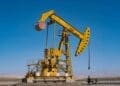
The digital solution is playing a larger and more prominent role in planning and executing drilling programs for ExxonMobil. The company has created proprietary advisory systems that employ artificial intelligence to determine the best drilling parameters for each well and, in some instances, enable closed-loop automation that makes adjustments to the operation without human interaction.
Originally, these digital systems were primarily employed in offshore environments; however, they are becoming increasingly applicable to large, data-rich unconventional plays such as the Permian. The continuous collection of data from drilling and production equipment enables ExxonMobil to continue to fine-tune drilling methods, optimize well placement, and accelerate learning curves for each of the many wells in its portfolio.
Utilizing real-time monitoring and connectivity
Connectivity is a key element of ExxonMobil’s digital strategy. Using IoT and expanding the number of sensors connected to its upstream assets, ExxonMobil is collecting real-time data from its upstream assets located over vast geographic regions. The collected data is then fed into centralized systems, which enable faster and more consistent decision-making relative to operations.
In the Permian Basin, where the distance between individual operations is often hundreds of miles, and there are thousands of individual assets, connectivity provides operators with the capability to detect issues or anomalies, monitor the condition of equipment, and minimize unplanned shutdowns.
Additionally, remote monitoring provides technical teams the opportunity to provide support to field operations on a regular basis, thereby increasing both efficiency and safety.
Supporting digital technologies for emissions and reliability objectives
ExxonMobil also stated that digital technologies support environmental and reliability objectives, in addition to production efficiency. Digital technologies are being employed to detect methane emissions, improve reaction time, and ensure the overall reliability of upstream systems.
Furthermore, ExxonMobil is utilizing state-of-the-art digital technologies to integrate emissions monitoring into the overall platform of operational systems. This integrated process enables ExxonMobil to address environmental performance as part of normal operational processes, as opposed to addressing environmental performance as a separate compliance effort. This integrated process is particularly important in the Permian Basin due to the scale of operations, which magnifies the importance of operational and regulatory consistency.
Scaling efficiency across a large asset base
A distinct aspect of ExxonMobil’s digital approach is its emphasis on scaling. ExxonMobil has taken a digital mindset across its organization, which enables greater flexibility while maintaining operational discipline. Partnerships with technology companies such as Microsoft, IBM, and Intel enable ExxonMobil to leverage additional digital capabilities and utilize them consistently across large asset bases similar to the Permian.
ExxonMobil’s application of digital solutions in the Permian Basin exemplifies how the gains associated with increased production efficiency are now being realized through data-driven execution rather than solely as a result of increased activity. By employing advanced analytics, automation, and real-time monitoring in its upstream operations, ExxonMobil is improving reliability, decreasing cost, and improving performance at scale.



