
Fiji holds talks with PETRONAS and Malaysia to develop strategic fuel reserves and energy supply chain infrastructure
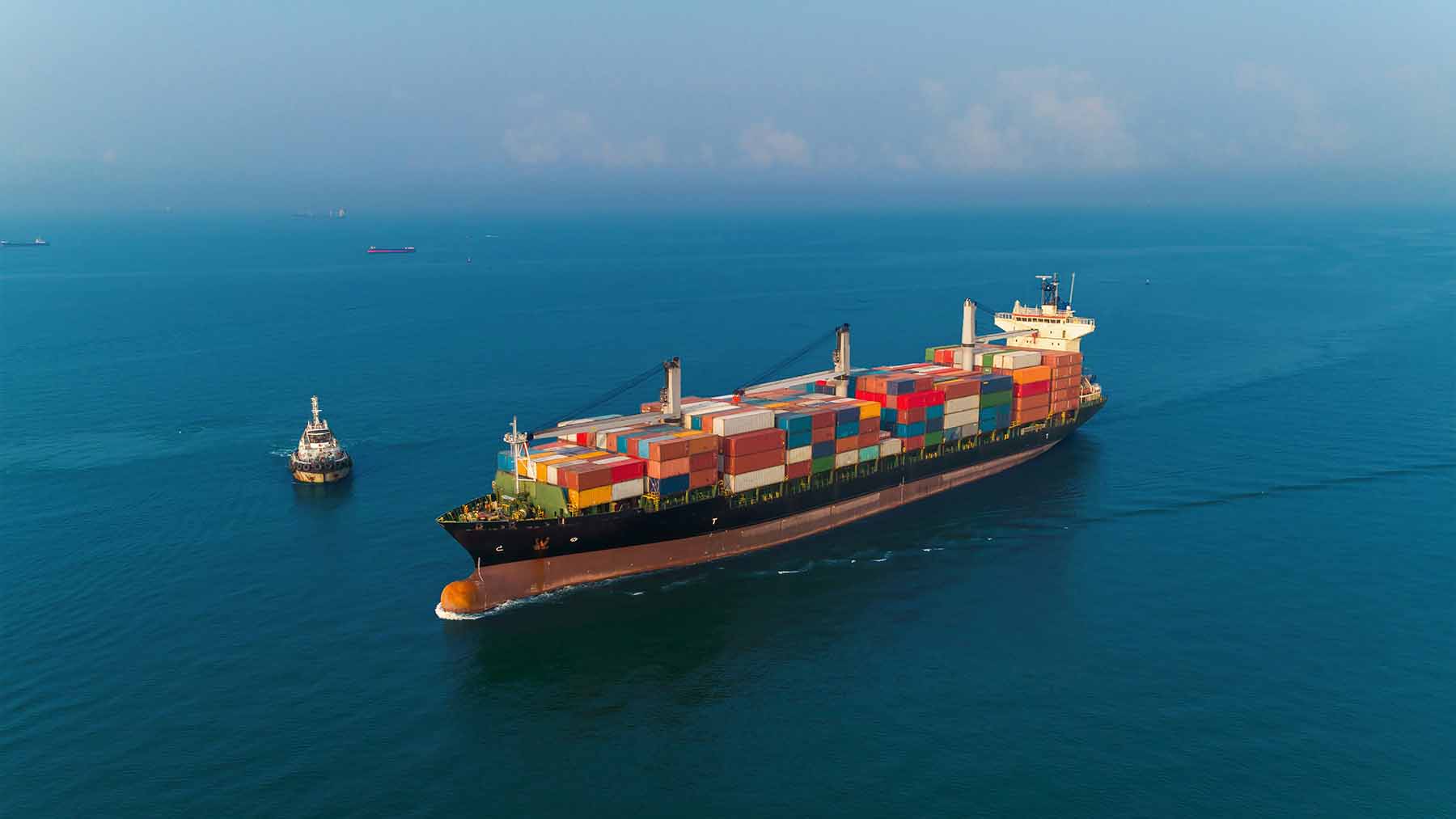 Image generated with artificial intelligence
Fiji is in talks with Malaysian energy giant PETRONAS and senior government officials in Kuala Lumpur over a plan to build strategic fuel reserves and strengthen its energy supply chain. The discussions, held during an official working visit by Minister for Rural and Maritime Development Sakiasi Ditoka, center on storage infrastructure, offshore stockpiling arrangements, and long-term supply partnerships—a significant step for a small island nation that depends entirely on imported petroleum.
Fiji and PETRONAS discuss fuel storage and national security strategy
Minister Ditoka’s meeting with PETRONAS Executive VP and CEO Downstream Datuk Sazali Hamzah was the centerpiece of the Kuala Lumpur visit. The two sides moved well past general energy dialogue. Talks zeroed in on potential technical support for Fiji’s planned National Fuel Security Strategy, with a specific focus on fuel storage facilities and supply-chain infrastructure.
PETRONAS isn’t just an oil and gas operator—the company has been investing in renewable energy, sustainable biofuels, and lower-carbon solutions. Ditoka flagged these as areas of genuine interest for Fiji as the country works to diversify its energy mix, not merely secure its existing petroleum supply.
The PETRONAS talks focus on technical support for a National Fuel Security Strategy, covering storage infrastructure and potential renewable energy cooperation.
The Malaysia visit didn’t come out of nowhere. It followed earlier high-level engagements with Singapore and Australia on overlapping themes: fuel security, supply chain resilience, and long-term energy partnerships. Fiji is running a coordinated diplomatic campaign, clearly intent on locking in structured arrangements before the next market disruption hits.
Ditoka framed the stakes plainly. “Securing Fiji’s energy supply chain is vital not only for our 900,000 citizens but also for our maritime neighbors who rely on Fiji as a regional hub,” he said. The goal, he added, is to build “true long-term resilience for Fiji and the wider Blue Pacific.”
Fiji’s vulnerability to global fuel market disruptions drives the initiative
Fiji imports every drop of petroleum it uses. That’s not unusual for a small island developing state, but it means the country has almost no buffer when global markets turn volatile.
Recent years have exposed exactly how fragile that position can be. Higher freight costs, port congestion, and disruptions tied to Middle East shipping routes have all hit Fiji’s fuel supply and pricing. When you’re buying on the spot market with no strategic reserve to fall back on, those shocks pass straight through to households and businesses—no filter, no cushion.
Ditoka put it directly: “The recent global fuel volatility and Middle East shipping disruptions have underscored that small island developing nations cannot rely solely on spot-market arrangements.” That’s the core problem the National Fuel Security Strategy is designed to solve—moving from reactive, ad hoc procurement to structured, long-term partnerships.
There’s also a regional dimension that raises the stakes considerably. Fiji functions as a fuel hub for neighboring maritime nations across the Pacific, which means a supply disruption in Suva doesn’t just affect Fijians. It ripples outward, amplifying the strategic importance of getting this right.
Malaysia shares stockpiling expertise and discusses offshore fuel storage options
Alongside the PETRONAS meetings, Ditoka held separate talks with Malaysia’s Minister of Investment, Trade and Industry, Datuk Seri Johari Abdul Ghani. The agenda was more government-to-government in character: strategic fuel reserves, emergency supply assurances, and the practical mechanics of building a resilient supply chain.
One of the more concrete ideas on the table is pre-positioned offshore fuel storage—keeping stocks at sea, ready to deploy, rather than waiting for shipments to arrive after a crisis has already started. Enhanced maritime supply arrangements were also part of the conversation.
Malaysia brought something valuable: experience. Johari shared how Malaysia has structured strategic stockpiling arrangements with international partners, giving Fiji a working model to adapt rather than starting from scratch. Ditoka was direct about why that matters. “Malaysia’s advanced refining capabilities and world-class energy infrastructure make it a natural strategic partner,” he said, adding that exploring a formal arrangement on fuel security and offshore stockpiling reflects the government’s commitment to protecting Fijian families and businesses from international price shocks.
Broader bilateral agenda includes trade, investment, and diplomatic ties
Energy was the headline, but it wasn’t the only item discussed. Talks between Fiji and Malaysia ranged across trade and investment opportunities, technology transfer, and industrial cooperation—a broader economic relationship that both sides appear keen to develop.
Malaysia signaled interest in increasing investment in Fiji. Fiji, for its part, is looking for better market access for its products in Malaysia, according to the Pacific Islands News Association. Neither side spelled out specific deals, but the direction is clear enough.
One institutional development stood out. Ditoka highlighted the planned reopening of Fiji’s High Commission in Kuala Lumpur as a key enabler—a permanent diplomatic presence that gives both sides a channel to move discussions forward at pace, rather than relying on periodic ministerial visits to maintain momentum.
Both governments agreed to advance the conversation through official and technical channels, with the practical work of identifying specific cooperation areas now expected to begin in earnest.
Next is technical-level engagement
Fiji is building a multi-partner strategy to address its fuel security vulnerability. The PETRONAS talks focus on technical support for a National Fuel Security Strategy, covering storage infrastructure and potential renewable energy cooperation. Separate government-level discussions with Malaysia explored strategic reserves, offshore stockpiling, and emergency supply arrangements, drawing on Malaysia’s existing expertise. Beyond energy, both sides are pursuing broader economic ties, with the Fiji High Commission reopening in Kuala Lumpur set to provide a permanent platform for that work. No formal agreements have been announced—the next step is technical-level engagement to translate these discussions into concrete arrangements.
Kelly is an experienced writer with 15 years of experience exploring the big stories that shape our world, from tech breakthroughs and space exploration to climate, energy, and the fascinating quirks of science. She has a talent for turning complex ideas into sharp, memorable insights that stay with readers long after they’ve finished reading.
