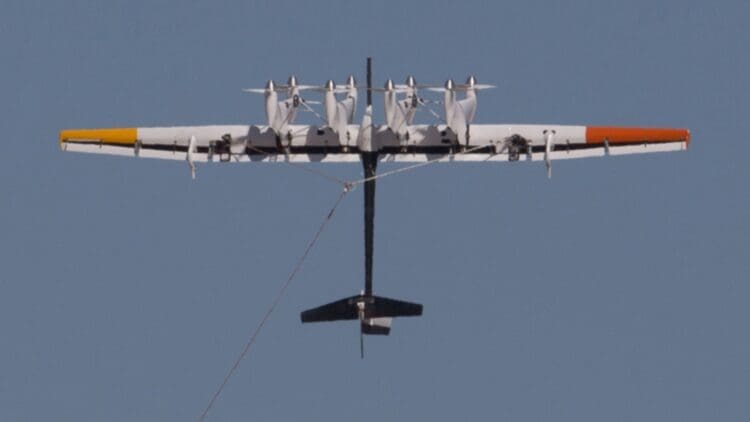

In Norway, when looking up to the sky, you may see a bird, a plane, and, before 2020, airborne wind technology. That’s right, testing of a 600 kW prototype was conducted in Norway, proving that clean power from flying kites is no longer science fiction. In fact, this prototype reportedly had the capacity to power 300 homes. Unfortunately, this ingenious technology did not become commercial, but the concept remains intriguing nonetheless. If rebooted, it could trump traditional wind turbines once and for all.
Seeking high and low for traditional turbine alternatives
The world is working hard to mitigate climate change. Some of the primary strategies include replacing fossil fuels with renewable energy sources for clean power production. As a result, the global installed capacity of renewables, such as solar and wind power, significantly increased. However, some renewable technology designs are not as effective and ideal everywhere as we once hoped.
Take Norway, for example. While there have been significant efforts to increase the wind capacity to nearly 5,100 MW, the disadvantages of traditional turbines in the region cannot be overlooked. According to reports from the Department of Energy and ScienceDirect.com, these disadvantages include, but are not limited to:


- Conflict with the Indigenous Sami communities’ rights
- Reindeer herding and grazing land disruption
- Visual pollution
- Natural scenery, which is part of cultural heritage, is disrupted
- Biodiversity and wildlife impact
- Changed migration patterns
- Habitat disruption
- Noise pollution
The impact of these disadvantages is not limited to Norway, which is why an originally US company sought alternatives. The answer? A 600 kW flying kite, which was tested in Norway.
Flying kites is no longer science fiction in Norway
In 2006, a company called “Makani” was born thanks to a group of kitesurfers from Alameda, California. During the early 2000s, wind capacity was still relatively low, accounting only for 5% of global power production. Makani’s goal was to engineer wind technology that comprised smart software and lightweight hardware. Years later, Makani developed flying kite prototypes that harness wind energy in the sky.
Google was intrigued by the concept and acquired Makani in 2013, and continued operations under its parent company, Alphabet. At the time, it was a great idea considering today’s need for energy alternatives due to increased AI power demand. Makani’s energy kites underwent substantial research and development phases. After years of work, the M600 was created and tested off the coast of Norway.
A 600 kW prototype to power 300 homes
The M600 energy carbon-fiber kite was Makani’s most advanced design yet. This prototype reportedly produced enough wind energy to power nearly 300 homes. The use of carbon fiber also made the kite more lightweight, durable, and cost-effective, as it utilised 90% less material compared to traditional wind turbines.
The M600 energy kite also had the following advantages, as per Inmesol:
- Increased aerodynamic efficiency
- Operate at heights between 80 and 350 meters
- Ability to operate in stronger winds
- Produce 50% more wind energy at significantly lower costs
- Easily installed at any location
- Combined with smart software
How the energy-generating kite works
Turbines were added to a kite. The kite was connected to a ground station with a tether, and a computer controlled all operations. The kite was launched from the ground station, and when it was not producing power, it would return. The turbines generate wind power, which is transmitted from the kite to the grid via the tether.
Alphabet, unfortunately, shut down the project in February 2020 due to minor investments from Shell and a crash of the offshore prototype. However, the legacy of Makani’s flying kites and the airborne wind power production still continues today. In fact, other companies have already drawn inspiration from these flying kites. An example includes the Dutch company Kitepower, which designed an innovative, portable flying kite that produces 30 kW at 1,300 feet.
Disclaimer: Our coverage of events affecting companies is purely informative and descriptive. Under no circumstances does it seek to promote an opinion or create a trend, nor can it be taken as investment advice or a recommendation of any kind.