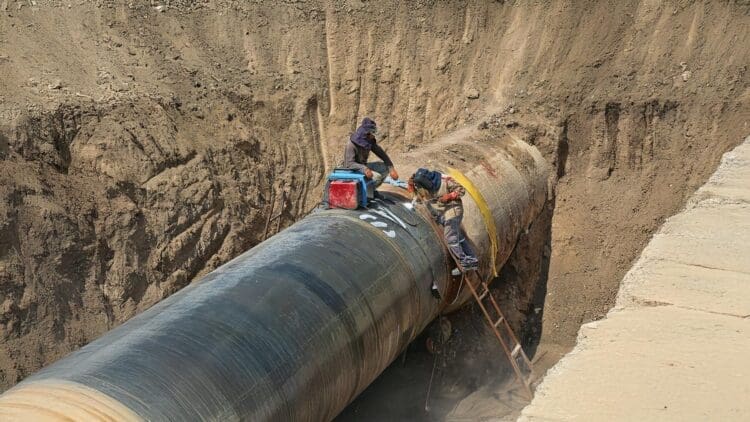

Behind all major projects is an anchor of the system where most activity takes place. In Canada’s energy system, Hardisty, Alberta, is one such area. Increased activity at this point typically indicates that larger developments will occur somewhere else in the supply chain. Recent actions from Gibson Energy indicate that the Hardisty hub is transitioning to a new level of development — one that will prompt many questions regarding scale, connectivity, and what occurs subsequently.
The brand that is constantly expanding
Hardisty has been a storage facility for crude oil, a blending facility, and a crossroads of various pipeline connections for years. It sits at the nexus between crude oil-producing regions and exporting regions.
Gibson Energy has established much of its infrastructure planning strategy based on this location and has progressively added facilities (terminals), pipelines, and services that have transformed the Hub into a centralized organization point instead of simply being another stop in the line.


The recent development follows this trend. Through building out its Hardisty Platform westward and increasing the capabilities of the connections moving outward, Gibson is enabling the hub to move a larger quantity of product while providing the ability to provide shippers with increased options. While these developments are not stated to be a significant departure from past activities, they are described as part of a methodical and systematic buildout that continues to make Hardisty increasingly difficult to bypass within Western Canada’s energy flows.
Connectivity: Will this be the key to success?
At the core of the announcement is the purchase of the Chauvin-area infrastructure and the conditional approval of the Hardisty Connection Project. Collectively, these transactions extend Gibson’s presence outside of existing terminal boundaries, linking production areas more closely to the hub. The significance of the transaction lies in its magnitude ($400 million and $200 million), which clearly demonstrates how serious Gibson is about developing this expansion opportunity.
While the size of the investment may attract attention, what is noteworthy is what they signify. The majority of the volumes associated with the acquired assets are tied to long-term contracts with fees paid monthly, thus allowing Gibson to avoid fluctuations in price that affect commodity prices during shorter periods of time.
Additionally, through establishing additional connections throughout the system, Gibson has expanded effective system capacity and shortened distances between sources of supply and primary destinations. This could allow producers more opportunities to sell their products, while providing Gibson with a stable source of revenue.
Gibson’s strategic intentions are revealed
Whether Gibson’s investments were made to support growth or provide resiliency appears to be secondary to the company’s ultimate intent. By connecting pipelines to the Chauvin area and directly to Hardisty, Gibson is creating a tighter, more connected network that allows for the redirection of commodity flows when needed, absorbing potential disruptions to flows and responding to changing demands without having to create entirely new hubs.
The enhancement of Hardisty is less about a single project and more about supporting a platform
The conditionally sanctioned connection project, combined with previously announced future expansions, illustrates that Gibson views this as a multi-phase project, rather than just a one-time upgrade. Thusly, Hardisty becomes a dynamic system that can expand by approximately 50% in terms of capacity over time as each subsequent phase is approved and constructed.
Gibson Energy’s recent infrastructure investments in Hardisty demonstrate how geographic advantages can be amplified by infrastructure decisions. The company is designing a hub that supports longer-term needs versus short-term objectives. As such, similar questions are currently arising about how other Canadian terminals will need to adjust to rapidly changing flow dynamics, which will be discussed further in our examination of evolving oil corridor strategies in Western Canada.