
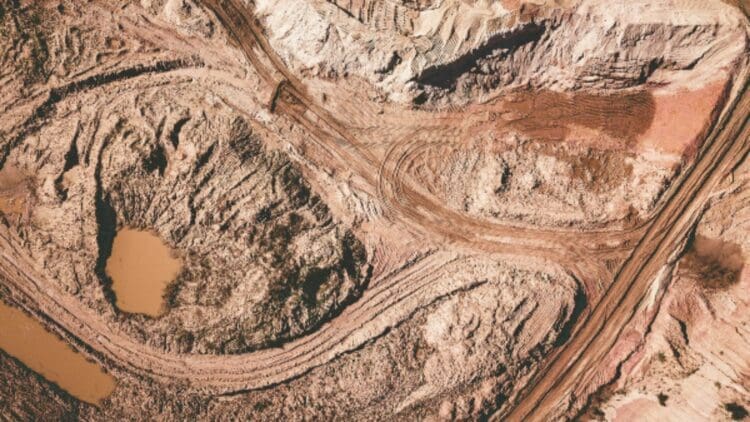

As the world rushes to meet the deadline of the global mission to achieve zero emissions by 2050, some still struggle to keep up with the ever-rising energy demands of a growing population, data centers, and especially AI. Fortunately, hydrogen has been discovered in America, and it’s enough to produce 104 MW and to power 25,000 homes. Discover how repurposing a molybdenum mine could end up generating clean energy to power the U.S., and perhaps even the world.
Hydrogen was found in America
The best way to reach the global zero-emission goal by 2050 is to ensure that fossil fuels become a thing of the past. In its place, renewable energies should be the primary source to produce clean energy. However, the efficiency of renewable power production varies depending on location and the associated weather patterns. For example, Oakridge, Tennessee, would not be ideal for a wind farm.
That is why Questa, New Mexico, is ideal for solar energy production, as it enjoys a high amount of sunshine each year. Mayor John Ortega also seems to think so, which is why he and the Village of Questa have teamed up with Kit Carson Electric Cooperative (KCEC). The challenge with solar production is the intermittency of the source and the storage of excess solar energy.



One of the most ingenious ways to store excess renewable energy is by utilising green hydrogen. Now, Questa will be getting a green hydrogen plant with the help of KCEC, and a $231 million in funding from the U.S. Department of Agriculture (USDA).
Repurposing a molybdenum mine to generate clean energy
Green hydrogen plants have been popping up all over the world, including Germany’s 320 MW green hydrogen plant in Emden. In Questa, New Mexico, one of the most obvious places to build the new plant was the old Chevron Molybdenum mine. Mayor Ortega’s father worked in the mine for nearly 30 years until it was shut down in 2014.
The mine is presently in the middle of a substantial environmental rehabilitation process, which reportedly will continue until the 2040s. The USDA released an intermediate feasibility study in 2023, which explained that the plant will utilise reclaimed water from the old mine for hydrogen separation through electrolysis. This will be used for long-term energy storage in newly developed technology.
Enough to produce 104 MW and power 25,000 homes
The Chevron Molybdenum mine’s closure resulted in the loss of 50% of the jobs it had provided to the area. By repurposing the mine for the plant’s development, over 350 jobs will be established in the region. Additional advantages of the plant include:
- 70 local jobs for the hub and associated energy production
- Increased tax revenue
- Funding for
- extra public safety officers
- a full-time, professional EMS/fire-fighting team in an area prone to wildfire
- The region will economically benefit from $298 million in the first five years
- Enough clean power production to power 25,000 homes annually
- Conversion of a brownfield into a greenfield development opportunity
- Promotes the region’s sustainable way of life
When asked about Chevron’s millions of gallons of treated water in addition to the municipal wastewater, Mayor Ortega said:
“Might as well use it for something. It’s perfect use for it, it’s not going to waste. And we’re not using water from our well or the aquifer.”
While additional purification may be required for the water’s electrolysis process, the entire project will be primarily beneficial for the entire Taos County, especially the Village of Questa. The USDA has only granted $500,000 for a safety study, which is presently being conducted by KCEC, and will hopefully bring the community some peace of mind. So far, operational dates have not been confirmed. Meanwhile, work on the 100 MW hydrogen project in Moorburg has started.


