
Indian state refiners suspend Iraq crude loadings as Strait of Hormuz security risks escalate
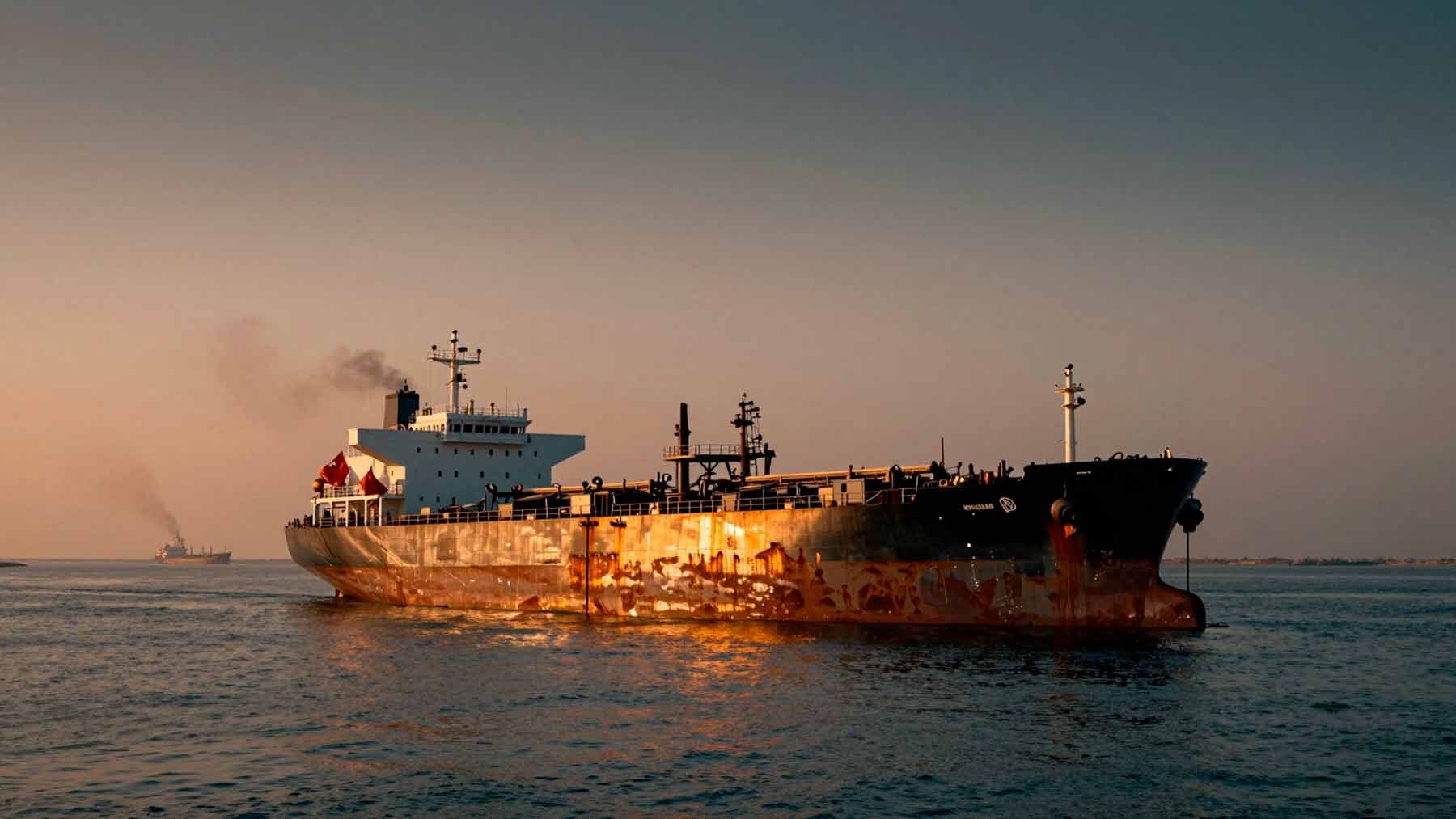 AI-made
Two major Indian state-run refiners have halted crude oil loadings from Iraq amid a sharp deterioration in security conditions in the Strait of Hormuz. Indian Oil Corp. abandoned plans to load the supertanker Lila Jamnagar — capable of carrying up to 2 million barrels — after concluding the crossing had become too dangerous. Mangalore Refinery & Petrochemicals Ltd. has also suspended Iraq liftings for the same reason, according to people familiar with the matter.
The suspensions follow a series of attacks on commercial tankers in the waterway in recent days, leaving shipowners and buyers navigating an increasingly volatile calculus.
Two Indian state refiners halt Iraq crude loadings
Indian Oil Corp. and Mangalore Refinery & Petrochemicals Ltd. (MRPL) are the two refiners behind the suspensions. Indian Oil’s decision centered on the Lila Jamnagar, a supertanker capable of carrying up to 2 million barrels—sending a fully laden vessel through the Strait of Hormuz was judged too risky given what’s happening there right now.
Shipowners aren’t just weighing physical danger; they’re also weighing the financial exposure that comes with operating in an active conflict zone.
MRPL, controlled by state-owned Oil and Natural Gas Corp., reached the same conclusion independently. It halted Iraq liftings, citing the deteriorating situation in the waterway.
Neither refiner responded to requests for comment, and India’s oil ministry didn’t reply either. Details of both suspensions came from people familiar with the matter who asked not to be identified because the information is private.
Iran’s attacks on tankers drive the security deterioration
The trigger for both suspensions is a wave of Iranian attacks on commercial tankers transiting the Strait of Hormuz. Iran has targeted multiple oil tankers in what looks like an effort to assert control over the waterway—one of the world’s most critical chokepoints for energy trade. Several freighters have been struck by projectiles in recent days, and for operators of fully laden supertankers carrying millions of barrels of crude, the risk calculation has shifted hard.
What makes the situation especially difficult is that evasion tactics aren’t working anymore. Vessels running with their transponders switched off to avoid detection have also come under fire. That removes one of the few remaining tools shipowners had to reduce their exposure, leaving broad uncertainty about whether transiting the strait is viable at all, regardless of what precautions a vessel takes.
Suspensions add to a sharp pullback in Hormuz shipping traffic
India’s halt isn’t happening in isolation. It reflects a wider retreat by commercial shipping from the Strait of Hormuz as conditions have worsened, and the Indian suspensions add real weight to what’s becoming a significant disruption to Gulf crude flows.
The surge in maritime risk has made securing tankers harder and far more expensive. Insurance costs for vessels transiting high-risk zones typically spike during periods of elevated conflict — this situation is no exception. Shipowners aren’t just weighing physical danger; they’re also weighing the financial exposure that comes with operating in an active conflict zone.
Indian state refiners face a specific structural vulnerability here. They typically buy Iraqi crude under long-term contracts that place the shipping burden on the buyer — not the seller — to arrange shipping. That means Indian companies bear the direct burden of finding willing tanker operators, negotiating elevated insurance premiums, and absorbing any resulting cost increases. When tanker availability tightens, they feel it fast.
India’s shipping ministry bans seafarer deployments through Hormuz
The refiner suspensions didn’t happen in a policy vacuum. India’s shipping ministry has issued a directive telling shipowners, managers, and crew recruitment agencies to stop deploying Indian seafarers on vessels transiting the Strait of Hormuz, effective until further notice.
That adds a labor-supply constraint on top of existing security and insurance barriers. Indian seafarers make up a significant portion of the global maritime workforce, so restricting their deployment to Hormuz transits limits the pool of crews available to operate vessels through the strait—putting additional pressure on tanker availability for any buyer trying to move Gulf crude.
The ministry directive and the refiner suspensions together represent a parallel shift in how India is managing its energy supply risk from the Gulf, with the government moving on both the operational and labor fronts at once, even if the two tracks weren’t formally coordinated.
This isn’t purely a commercial call
The core facts are straightforward. Two of India’s major state-run refiners have stopped loading Iraqi crude because the Strait of Hormuz has become too dangerous to transit safely. Iranian attacks on commercial tankers — including vessels that had switched off their transponders — have knocked out the assumptions of manageable risk that previously underpinned Gulf crude shipments.
India’s exposure here is structural, not incidental. Long-term contracts that place the shipping burden on the buyer mean Indian refiners are directly in the line of fire when tanker markets tighten or become inaccessible.
The shipping ministry’s ban on deploying Indian seafarers through Hormuz signals that this isn’t purely a commercial call by individual companies. It reflects a broader policy response to a genuine security crisis in one of the world’s most important energy corridors. How long the suspensions last depends entirely on whether conditions stabilize—and right now, there’s no clear sign they will.

Kelly is an experienced writer with 15 years of experience exploring the big stories that shape our world, from tech breakthroughs and space exploration to climate, energy, and the fascinating quirks of science. She has a talent for turning complex ideas into sharp, memorable insights that stay with readers long after they’ve finished reading.
