
Iran’s envoy to Moscow says Strait of Hormuz will reopen with new transit fees imposed by Iran and Oman
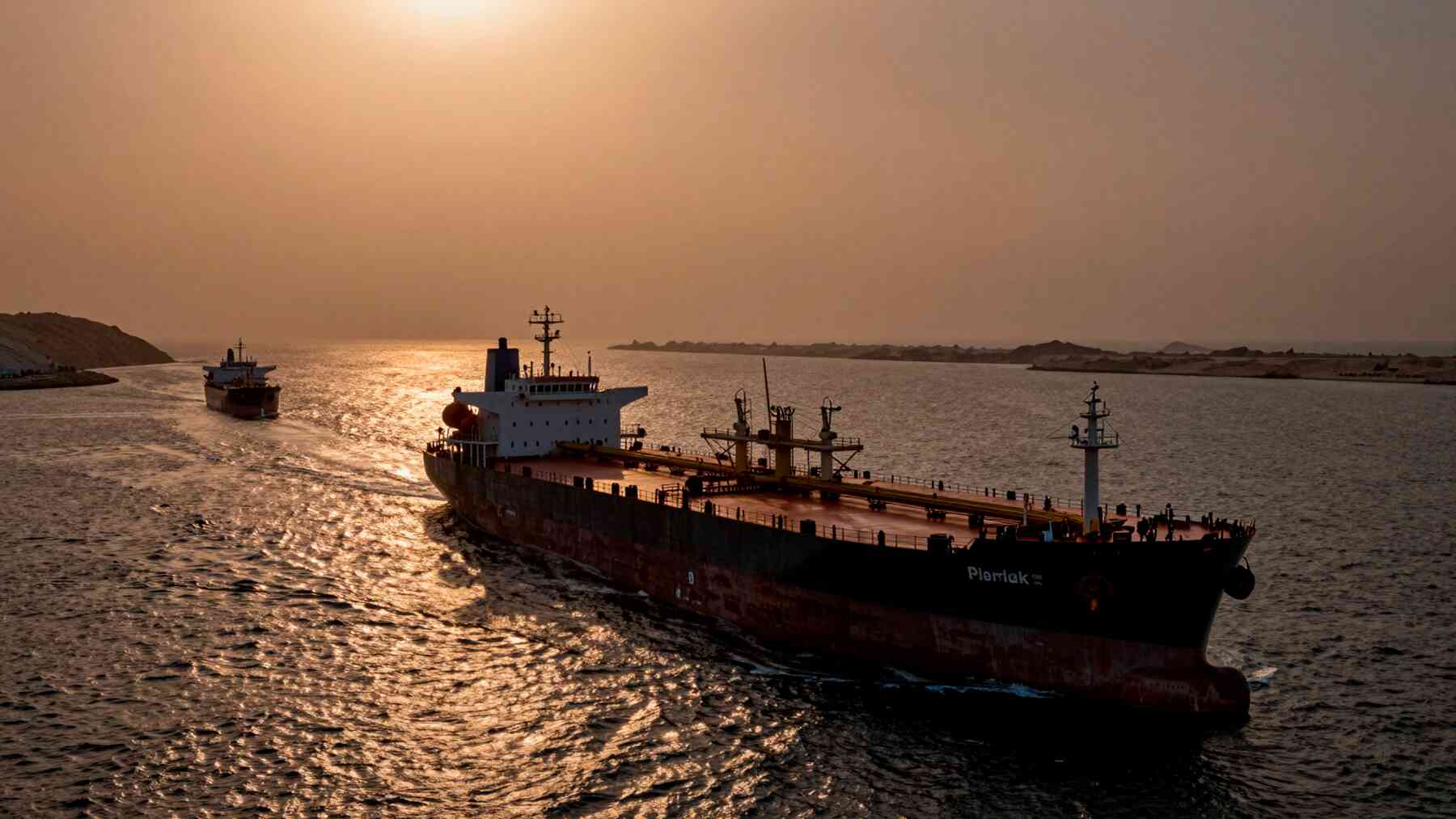 AI-made
The Strait of Hormuz will stay open — but shipping through it may soon come at a price. Iran’s ambassador to Moscow, Kazem Jalali, said Monday that the strait will operate under new conditions, including transit fees to be set jointly by Iranian and Omani authorities. The announcement comes as oil and gas flows through the waterway remain severely constrained following the U.S.-Israeli conflict with Iran.
Iran’s Ambassador Announces Transit Fee Plan for the Strait
Ambassador Kazem Jalali made the announcement in an interview with the Russian newspaper Izvestia, published Monday. Speaking directly on the strait’s future, he said: “Of course, this strait will be open, but with new conditions to be determined by the Iranian and Omani authorities.”
Jalali added that Iran and Oman provide services related to the strait and that fees would be charged for those services. No detail was offered on the specific fee structure or any timeline for implementation. According to Iran’s stated position, fees would vary depending on vessel type, cargo, and conditions at the time of transit — a level of vagueness that leaves considerable uncertainty about how any such system would actually function.
Iran’s ambassador to Moscow has stated that the Strait of Hormuz will reopen, but under new conditions that include transit fees set jointly by Iran and Oman.
Why Iran Is Asserting the Right to Charge Transit Fees
Iran’s argument rests on the premise that it and Oman deliver services connected to the strait’s operation and are therefore entitled to compensation. That framing positions transit fees not as a punitive measure but as payment for ongoing maritime services — a distinction Iran appears eager to maintain.
Iran has also tied the fee proposal to a broader diplomatic framework, holding that any permanent peace agreement should include the right to impose charges on vessels passing through the waterway. Before the U.S.-Israeli conflict, roughly one-fifth of the world’s oil traveled through the Strait of Hormuz each day. That flow has since been severely disrupted, with oil and liquefied natural gas shipments remaining heavily constrained even as a limited number of tankers have managed to depart the Gulf in recent weeks.
U.S. Opposition and Diplomatic Pushback
Washington has made its position unmistakable. President Trump has strongly opposed any toll scheme on the strait, and the U.S. has moved to prevent the plan from gaining diplomatic traction. In late May, a direct warning was issued to Oman against participating in any effort with Iran to impose transit fees — a signal that even partial Omani involvement was seen as capable of lending the scheme legitimacy.
Treasury Secretary Scott Bessent subsequently said Oman’s ambassador had confirmed there were no plans to impose such tolls. That statement appeared designed to close off the possibility publicly, though Iran’s ambassador has now revived the discussion. Japan added a data point that complicates Iran’s narrative: after a Japan-linked crude oil tanker transited the waterway in May, Tokyo stated no fee was paid — an account that directly contradicts any suggestion a transit fee system is already quietly operating.
Context: The Strait’s Role in Global Energy Supply
The Strait of Hormuz is the world’s most critical oil chokepoint. Before the current conflict, it handled approximately one-fifth of global oil flows — a volume that makes any new restriction a matter of serious international concern.
The U.S.-Israeli war on Iran has largely severed those flows. Only a small number of tankers have managed to leave the Gulf recently, leaving energy markets reliant on alternative routes and reserve supplies. Japan’s exposure illustrates the broader stakes clearly: before the conflict, Japan sourced roughly 95% of its oil needs from the Middle East, making unimpeded access to the strait essential to its energy security. Other import-dependent economies face comparable vulnerability.
Fresh Israeli strikes on military targets in western and central Iran on Monday add further turbulence — even after Trump reportedly urged Prime Minister Benjamin Netanyahu to hold back from additional attacks.
Fees Will Vary by Vessel, Cargo, and Conditions
Iran’s ambassador to Moscow has stated that the Strait of Hormuz will reopen, but under new conditions that include transit fees set jointly by Iran and Oman. The fee structure would vary by vessel type, cargo, and prevailing conditions, though no timeline or detailed framework has been provided.
The United States has strongly opposed the plan and says Oman has denied any intention to participate. Japan says it paid no fee when a tanker transited the strait in May. Oil and gas flows through the waterway remain severely limited, and the latest Israeli strikes on Iran add further uncertainty to when — and under what terms — normal transit might resume.
Kelly is an experienced writer with 15 years of experience exploring the big stories that shape our world, from tech breakthroughs and space exploration to climate, energy, and the fascinating quirks of science. She has a talent for turning complex ideas into sharp, memorable insights that stay with readers long after they’ve finished reading.
