
JERA signs 20-year LNG supply deal with Malaysia’s Petronas, with deliveries starting in 2028
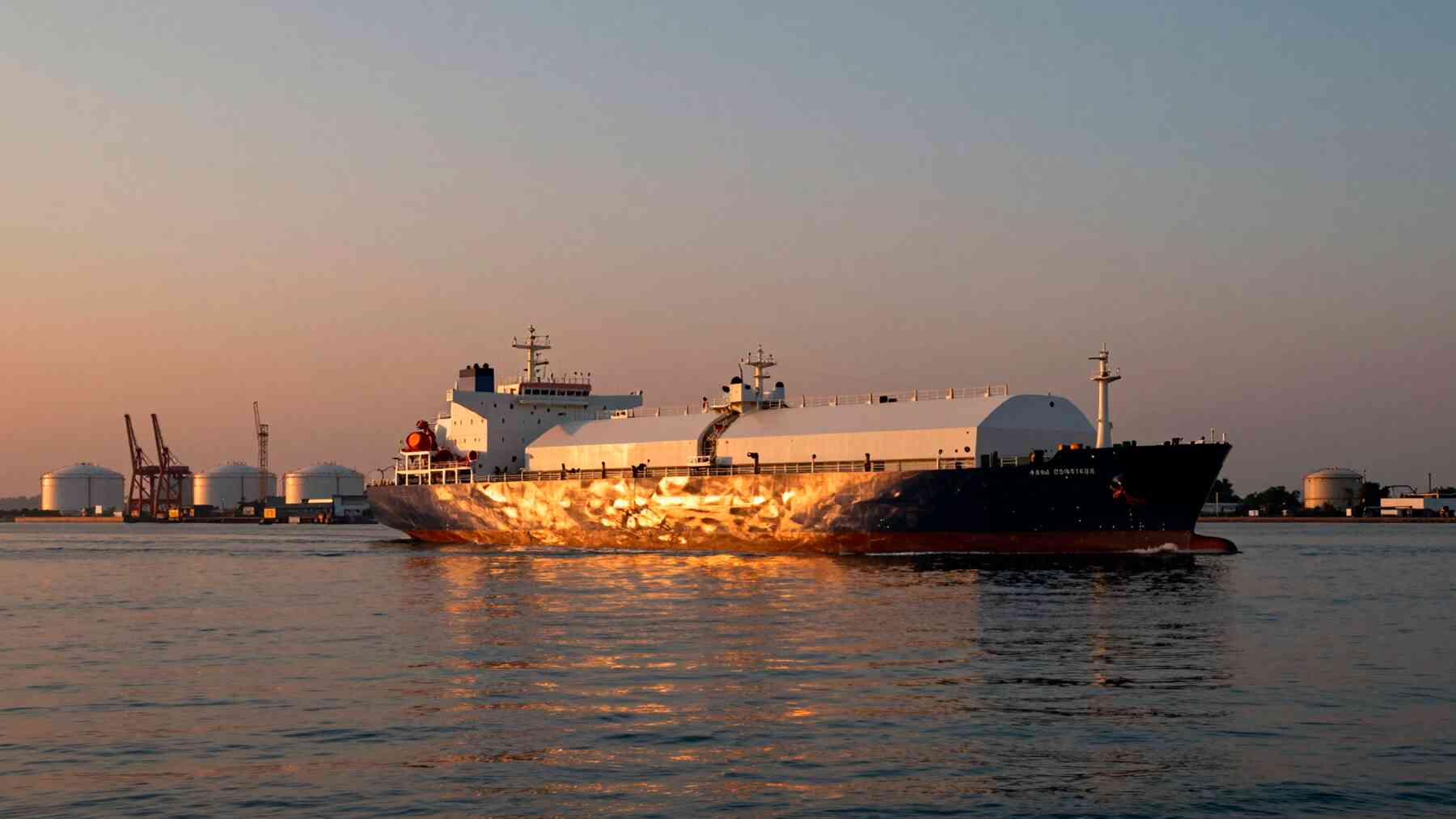 AI-made
Japan’s JERA, the world’s largest LNG buyer, has signed a 20-year supply agreement with Malaysia’s Petronas — the country’s second-largest LNG supplier. Under the deal, deliveries of 2 million tonnes annually are set to begin in 2028, extending a partnership that already accounts for roughly 15% of Japan’s total LNG imports.
JERA and Petronas finalize long-term LNG contract
The agreement locks in a significant volume of supply for two decades. Starting in 2028, Petronas will deliver 2 million tonnes of LNG to JERA each year through 2048 — a commitment announced following a bilateral meeting between Japanese Prime Minister Sanae Takaichi and Malaysian Premier Anwar Ibrahim.
Takaichi was direct about the strategic weight of the moment. “Amid growing uncertainty in the international energy situation,” she said, “cooperation with Malaysia, a stable supplier of LNG to Japan, is becoming increasingly important.” This is not simply a commercial transaction. It carries real diplomatic significance.
For Japan, those pressures are concrete — higher costs and genuine supply risk for a country that cannot generate enough energy domestically to cover its needs.
Why Japan is pursuing new long-term supply agreements
Japan is among the world’s most energy import-dependent nations, having leaned heavily on Middle Eastern suppliers for decades. That dependence has become a liability as geopolitical tensions make global energy markets harder to navigate. Recent disruptions have tightened gas supplies from the region and pushed LNG cargo prices well beyond what buyers would consider competitive.
For Japan, those pressures are concrete — higher costs and genuine supply risk for a country that cannot generate enough energy domestically to cover its needs.
Seasonal demand compounds the problem. Summer heat drives electricity consumption sharply higher through air-conditioning use, and Japan must secure sufficient gas to cover those peak periods regardless of price. The margin for error is narrowing.
Potential consequences for Japan’s energy supply and coal reliance
Analysts have flagged the risk of an LNG shortage in Japan if the country cannot lock in adequate supply. The Petronas deal directly addresses that concern — by securing 2 million tonnes annually through a long-term contract, JERA reduces its exposure to spot market volatility that has strained procurement in recent years.
Without stable LNG supply, Japan and other Asian nations have faced a difficult choice. Tightening gas availability has already pushed some countries toward coal-fired power generation to fill the gap, a direction Japan would prefer to avoid.
A guaranteed gas source through 2048 gives grid operators and policymakers more room to phase down coal capacity without risking blackouts. Failure to diversify could entrench coal reliance across the region for years.
JERA’s broader LNG procurement strategy and Malaysia’s role
JERA’s position in global energy markets is substantial. Its procurement decisions carry weight well beyond Japan’s borders, and the Petronas agreement is one piece of a larger supply strategy the company has been assembling across multiple geographies.
On the U.S. side, JERA has outlined plans to procure up to 5.5 million tonnes of LNG annually from American suppliers – a 10% increase over current import levels that could account for roughly one-third of JERA’s total LNG procurement. Taken together, these moves reflect a deliberate effort to spread supply risk across sources rather than concentrate it in any single region.
Malaysia fits naturally into that picture. Already Japan’s second-largest LNG supplier behind Australia, it accounts for approximately 15% of Japan’s total LNG imports. That existing relationship gives both sides established infrastructure and commercial trust to build on.
It’s about more than energy security
The JERA-Petronas agreement covers 2 million tonnes per year over 20 years, with deliveries beginning in 2028. It extends an already significant trade relationship and adds long-term certainty to a market that has grown increasingly volatile.
For Japan, this is part of a wider diversification push – reducing historical dependence on Middle Eastern energy by locking in stable supply from partners including Malaysia and the United States. JERA’s planned expansion of U.S. LNG imports to up to 5.5 million tonnes annually points in the same direction.
The stakes extend beyond energy security. A stable gas supply reduces pressure on Japan and its regional neighbors to expand coal-fired generation, a path that would complicate climate commitments across Asia for decades.
Kelly is an experienced writer with 15 years of experience exploring the big stories that shape our world, from tech breakthroughs and space exploration to climate, energy, and the fascinating quirks of science. She has a talent for turning complex ideas into sharp, memorable insights that stay with readers long after they’ve finished reading.
