
LG&E and KU issue RFP for renewable energy and storage projects over 50 megawatts
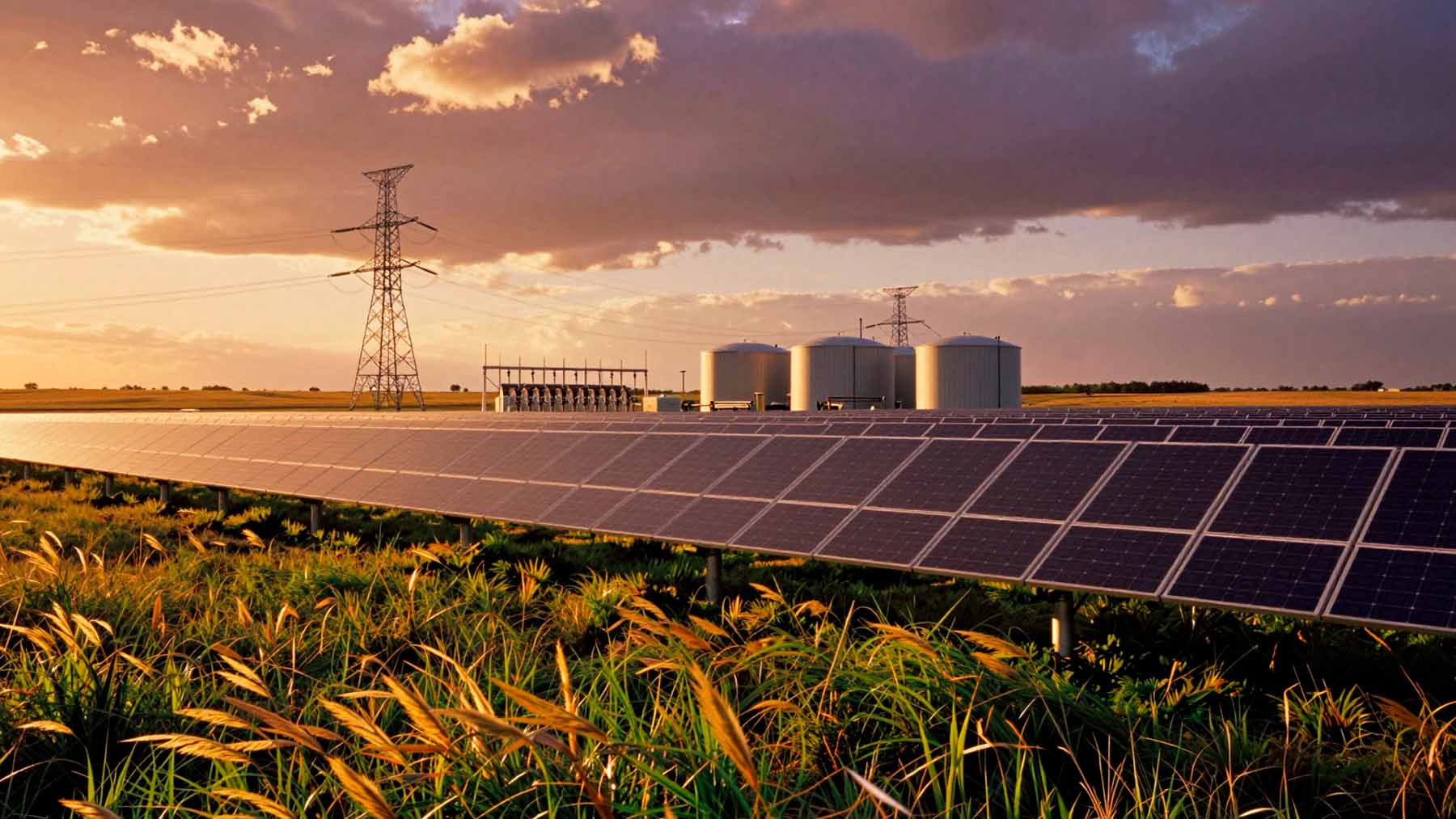 AI-made
Louisville Gas and Electric Company and Kentucky Utilities Company formally issued a Request for Proposals on July 22, 2026, seeking renewable energy resources and energy storage systems to support load growth and customer demand across their Kentucky and Virginia service territory. The RFP is open to projects with nameplate capacities greater than 50 megawatts, with proposals due by September 3, 2026.
LG&E and KU launch RFP for renewable energy and storage
On July 22, 2026, LG&E and KU made it official out of Louisville. The RFP targets renewable energy resources with nameplate capacities greater than 50 MW—a threshold that signals these utilities want utility-scale additions, not small distributed projects.
Energy storage is squarely in scope. LG&E and KU are looking for storage systems with nameplate capacities between 50 and 400 MW, paired with energy capacities ranging from 200 to 1,600 MWh. That’s a wide window, and it gives developers genuine flexibility in how they size and configure their bids.
It combines the Green Energy and Business Solar programs with Renewable Power Agreements, giving commercial customers a structured way to purchase renewable power.
The deadline is firm: all proposals must land by 4 p.m. on September 3, 2026. For more details, email [email protected].
Why the utilities are seeking new resources
Load growth is the main driver. LG&E and KU are seeing rising demand across their service territory, and specific customers have made direct requests for renewable energy supply—this RFP is how the utilities are responding to both pressures at once.
Their stated approach is “all-of-the-above.” Renewables and storage aren’t being evaluated in isolation; they’re being weighed alongside existing generation assets as part of a broader portfolio strategy. Practical, not ideological.
Chuck Schram, vice president of Energy Supply and Analysis for LG&E and KU, put it plainly in the announcement. “By continuing to evaluate renewable resources and energy storage alongside our existing generation investments, we can further diversify our portfolio, support growing customer needs and maintain our focus on safe, reliable service at the lowest reasonable cost,” he said.
One more thing worth flagging: this solicitation doesn’t replace anything already in motion. The proposals represent energy supplies in addition to generation investment plans already approved by the Kentucky Public Service Commission. The RFP complements the existing roadmap rather than rewriting it.
Scope of proposals and agreement structures considered
LG&E and KU are keeping deal structures flexible—they’ll consider power purchase agreements, purchases of new or existing assets, and build-transfer agreements. That range gives both developers and the utilities room to negotiate arrangements suited to specific project economics.
Site-specific resources with any commercial operation date are eligible, meaning projects at various stages of development could qualify, not just shovel-ready assets. Evaluation will center on how each proposal fits within the utilities’ existing portfolio, with reliability and lowest reasonable cost as the benchmarks. Response summaries and associated proposal data forms need enough detail to support a full evaluation, though LG&E and KU can request additional information beyond what’s initially submitted.
Potential role in the Green Tariff program
There’s a secondary commercial angle worth knowing about. Projects selected through this RFP may also be considered as energy supply sources for LG&E and KU’s Green Tariff program.
That program is built around partnerships with business and industrial customers seeking custom renewable energy solutions. It combines the Green Energy and Business Solar programs with Renewable Power Agreements, giving commercial customers a structured way to purchase renewable power. For developers, this opens up an additional layer of potential demand beyond the utilities’ own load obligations—a project that clears the RFP process could end up serving both general load and dedicated Green Tariff customers, which broadens its commercial footing considerably.
Background: LG&E, KU, and their service territory
LG&E and KU are regulated utilities operating under PPL Corporation, also trading as PPL Electric Utilities, listed on the New York Stock Exchange under the ticker PPL. Together, they serve nearly 1.4 million customers across Kentucky and Virginia.
LG&E covers Louisville and 16 surrounding counties, providing natural gas service to roughly 336,000 customers and electric service to around 443,000. KU operates at a larger geographic scale: 581,000 customers across 77 Kentucky counties, plus another 28,000 in five Virginia counties. Both utilities have consistently ranked among top U.S. companies for customer service — a track record that reflects operational stability alongside the growth pressures now driving this solicitation.
Power purchase agreements, asset purchases, and build-transfer arrangements
LG&E and KU are seeking renewable energy resources above 50 MW and energy storage systems between 50 and 400 MW (nameplate) and 200 and 200–1,600 MWh through a formal RFP issued July 22, 2026. Accepted structures include power purchase agreements, asset purchases, and build-transfer arrangements for site-specific projects at any stage of development.
Proposals are due by 4 p.m. on September 3, 2026. Reach out to [email protected] for more details. Selected projects may also serve as supply sources for the Green Tariff program, adding a potential commercial dimension beyond standard load obligations.
Kelly is an experienced writer with 15 years of experience exploring the big stories that shape our world, from tech breakthroughs and space exploration to climate, energy, and the fascinating quirks of science. She has a talent for turning complex ideas into sharp, memorable insights that stay with readers long after they’ve finished reading.
