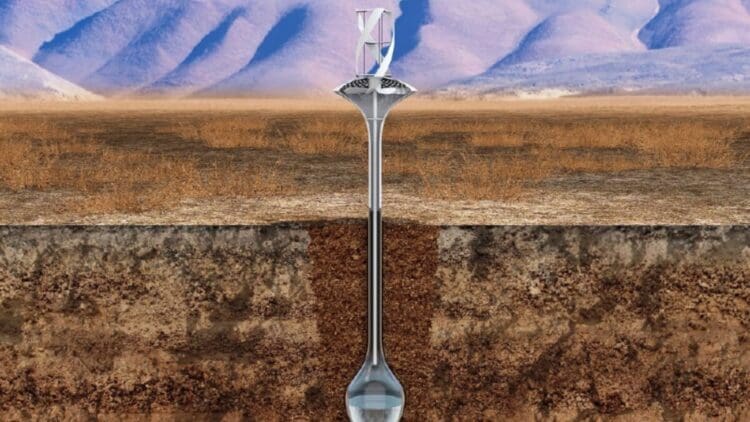

Droughts are one of the most significant problems resulting from climate change, and they are becoming an increasing concern worldwide. Drinking water is already scarce, and as droughts escalate, the world requires unique solutions. A device that looks like a wind turbine may have been the answer to the scarce water problem, as it wasn’t built to generate power, but to pull water from the air buried in the ground. The concept is groundbreaking due to its added benefits, but where is this device today?
Unique solutions are needed to address ongoing droughts
One of the most devastating feelings in the world is felt when one opens a tap only to realise that not a single drop of water is coming out. Even more so when crops and livestock are lost due to non-existent water sources, as riverbeds, boreholes, dams, and underwater tables start running dry. This feeling is the result of droughts, an ongoing and worsening problem experienced globally.
According to a report by UN News, since 2000, the frequency and duration of droughts have increased by 29% compared to 20 years ago. Data indicate that nearly 66% of the global population face significant water scarcity for a minimum of one month annually, and the following regions are presently facing extreme drought conditions:


- Southeast Asia
- Southern Europe
- Australia
- Africa
- South America
- Western U.S.
That is why researchers worldwide are actively seeking unique solutions to address the significant scarcity of water associated with droughts. A certain U.S. device was created for this very reason.
Seems like a wind turbine, but does not generate power
The National Peace Corps Association, UC Berkeley, and VICI-Labs partnered to create a device that looks like a wind turbine, but instead of generating clean power, it serves an entirely different purpose. This device was known as the WaterSeer, and its creators believed that it is a feasible solution to global water scarcity.
The device pulls water from the air buried in the ground. The WaterSeer is fixed into the ground, at least six feet deep. Its “metal neck” is then surrounded by soil. A vertical wind turbine is fixed to the top, which contains spinning internal blades that draw in air to the device’s underground room. This room remains cool due to the surrounding soil, resulting in condensed water accumulating.
While California covered 4,000 miles of canals with solar panels to save billions of gallons of water, the WaterSeer’s primary purpose is to produce water sustainably, and it has added benefits.
Pulling water from the air buried in the ground had added benefits
According to its creators, this device was extremely cost-effective to manufacture. One WaterSeer can reportedly condense a maximum of 11 gallons of clean water daily, and when these devices are combined, they can even condense enough water meet the needs of a small village. All of this without requiring external power.
An Indiegogo campaign was also launched to raise funding for “orchards” of WaterSeers globally. Nancy Curtis, one of the Founding Partners, had full confidence in the device:
“Water from the air is the next source of water for the world. We will continue to improve the design over the next month and years to increase efficiencies and yield. We will not be satisfied until everyone everywhere has water security and independence.”
So, what exactly happened to the WaterSeer? According to a YouTube video by EEVblog, engineers and researchers proved that the device would become inoperable due to the energy warming the soil, and that the reported output was not possible. This is unfortunate, as the concept itself was quite promising, especially for communities in developing countries with limited access to clean drinking water. In some regions, going from photovoltaics to floatovoltaics could save water while producing power.
Disclaimer: Our coverage of events affecting companies is purely informative and descriptive. Under no circumstances does it seek to promote an opinion or create a trend, nor can it be taken as investment advice or a recommendation of any kind.