
Illinois arboretum starts solar hillside designed to supply nearly all its electricity on less than half the usual land
 File image
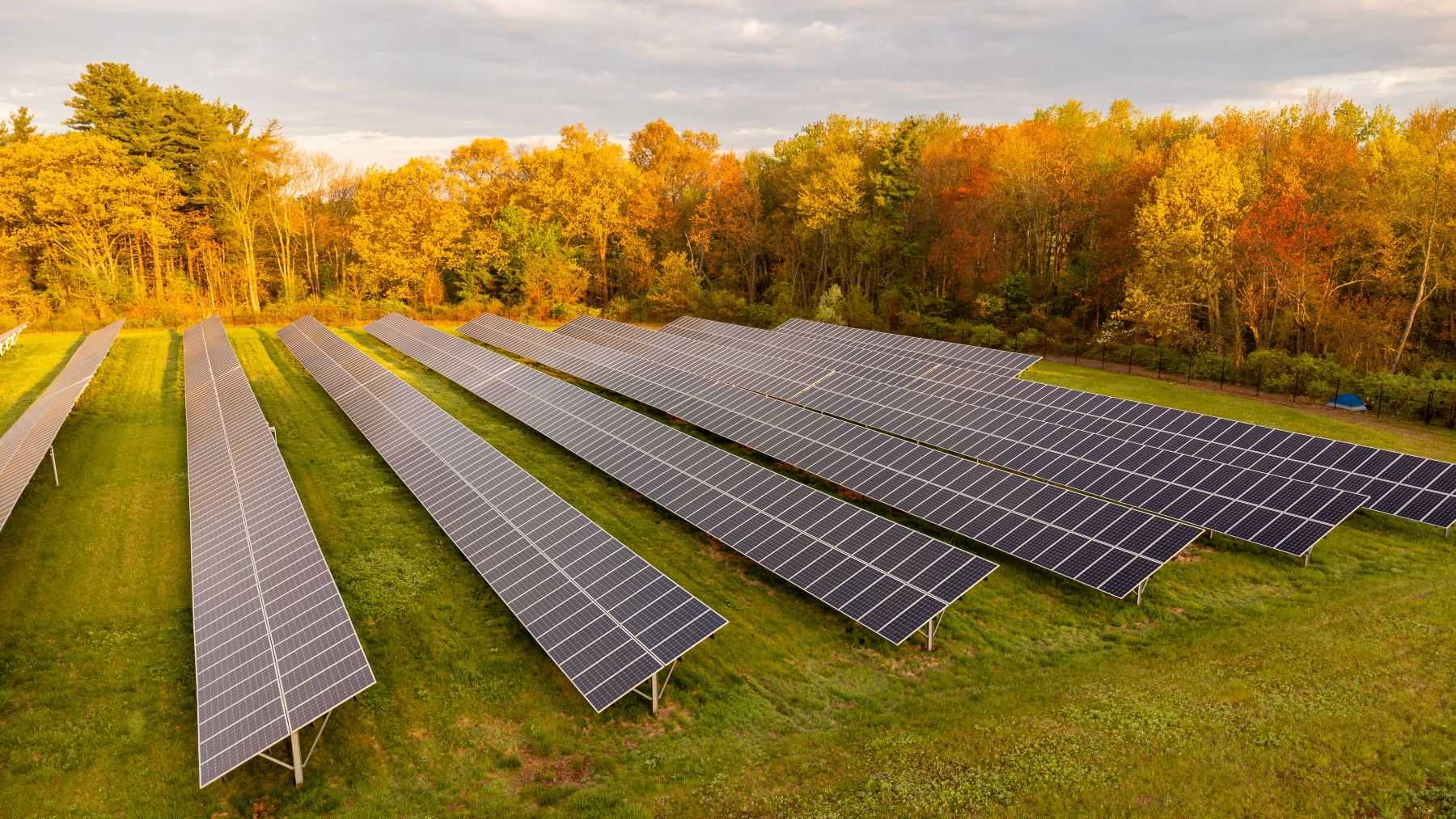
On a south-facing hillside at The Morton Arboretum in Lisle, Illinois — where a million visitors a year walk among oaks and learn why forests matter — construction crews broke ground this month on a solar array unlike most. The installation is designed to generate more than 3 million kilowatt-hours annually, enough to cover nearly all of the century-old institution’s electricity needs. And it’s built to do it on less than half the land a conventional solar configuration would require.
A hillside built for the sun
The south-facing slope wasn’t chosen by accident. A hillside angled toward the sun acts like a natural solar collector, letting panels capture more direct sunlight across more hours of the day than panels laid flat on open ground. That geometry is the core of what makes this installation different — and more efficient per square foot than a conventional setup.
Traditional solar farms spread panels across flat land to compensate for less-than-ideal angles. The Morton Arboretum’s hillside design flips that logic entirely. By working with the terrain’s natural pitch, the array achieves the same output while occupying less than half the footprint a flat-ground installation would need — and for an institution whose identity is inseparable from its landscape, that difference matters enormously.
Supplying that level of demand from a single on-site array represents a meaningful shift away from grid dependence — and from the emissions that come with it.
Protecting the visual and ecological character of the grounds isn’t optional for an arboretum. Every acre committed to infrastructure is an acre not devoted to trees, research, or visitor experience. The hillside design resolves that tension directly. Once complete, the project is projected to generate more than 3 million kilowatt-hours per year, enough to cover nearly all of the Arboretum’s annual electricity demand.
Nearly energy self-sufficient — and what that actually means
Covering “almost all” of an institution’s electricity needs sounds abstract until you consider the scale involved. The Morton Arboretum operates a large campus with research facilities, visitor infrastructure, and year-round programming. Supplying that level of demand from a single on-site array represents a meaningful shift away from grid dependence — and from the emissions that come with it.
That emissions reduction connects directly to the Arboretum’s core work. Trees and forests are acutely sensitive to climate conditions. An institution dedicated to tree conservation that relies heavily on fossil-fuel-generated electricity faces an internal contradiction, and clean energy production helps close that gap.
CEO Jill Koski framed the project in terms of institutional responsibility. “The Morton Arboretum is leading by example,” she said. “We strive to model sustainable practices for other arboreta, public gardens and community members. This solar array represents one aspect of our multifaceted commitment to environmental leadership and will make our operations more sustainable for decades to come.”
That phrase — decades to come — is intentional. This isn’t a short-cycle pilot program. It’s a long-term infrastructure commitment designed to outlast any single leadership team or funding cycle.
Why an arboretum is the right place for this experiment
There’s a particular logic to an arboretum leading on solar energy. The institution’s entire mission rests on the health of trees and forests — ecosystems directly threatened by the warming climate that fossil fuel use accelerates. Choosing clean energy isn’t just an operational decision here; it’s an expression of mission alignment.
Rachel Novick, the Arboretum’s director of sustainability, pointed to the institution’s unusual public platform. “As an environmental organization, we have the opportunity to inspire our one million annual visitors and the broader community by pursuing sustainability and conservation solutions in our operations,” she said.
A million visitors a year see what the Arboretum chooses to do. Making sustainability visible — not just publishing it in a report — turns the grounds into environmental education. The solar hillside becomes part of what visitors experience and, potentially, carry home with them.
The partnership powering the project
The array will be built, owned, and operated by Madison Energy Infrastructure, a structure that matters as much as the technology itself. Under this model, the Arboretum doesn’t carry the upfront capital cost of construction. Madison finances, builds, and runs the system; the Arboretum benefits from the energy it produces.
Ryan Coakley, Madison’s chief development officer, described the fit plainly. “The Morton Arboretum has spent a century protecting trees and teaching people why they matter,” he said. “At Madison, we build sustainable infrastructure that serves local communities, and there’s no better example than helping an institution like the Arboretum lower its operating costs so more of its resources go toward its mission.”
Lower operating costs mean more funding available for conservation, research, and education — the actual work the Arboretum exists to do. That financial logic, combined with the third-party ownership structure, could make this model replicable for botanical gardens, natural history museums, and other mission-driven nonprofits facing similar energy cost pressures.
A model other cultural institutions are watching
The Morton Arboretum project arrives at a moment when many cultural institutions face pressure — from donors, from visitors, and from their own stated values — to demonstrate meaningful environmental commitments. Energy use is one of the largest and most visible levers available.
What makes this project worth watching beyond Lisle is the combination it achieves: environmental leadership and economic sustainability in the same move. Reduced operating costs and reduced carbon emissions aren’t usually framed as the same solution. Here, they are.
There’s also something significant about making sustainability physically present on the grounds. Visitors don’t just read about the Arboretum’s values — they walk past the evidence of them. That visibility may prove as influential as the kilowatt-hours themselves.
When construction completes and the array begins generating clean energy, The Morton Arboretum will have transformed a hillside into both a power source and a demonstration. Other institutions navigating the same tensions between mission, cost, and land use will be paying close attention.

Kelly is an experienced writer with 15 years of experience exploring the big stories that shape our world, from tech breakthroughs and space exploration to climate, energy, and the fascinating quirks of science. She has a talent for turning complex ideas into sharp, memorable insights that stay with readers long after they’ve finished reading.
