
In the North Sea, a wind farm became a refuge where cod, crabs, and even porpoises escaped predators too large to swim between the turbines
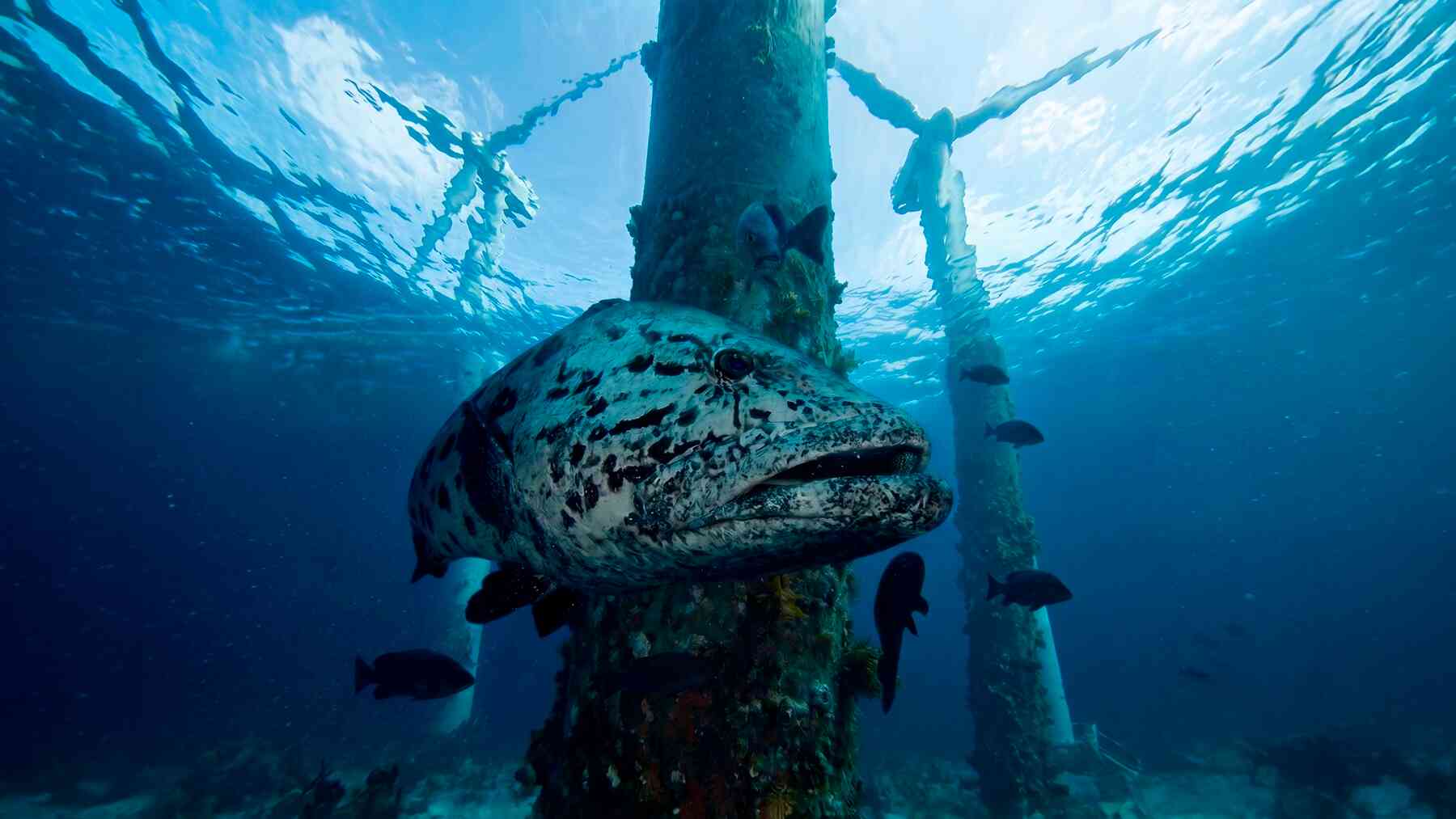 Credits: Edited, representative image
A North Sea wind farm has unexpectedly become a sanctuary for some marine animals.
Human activity has long disturbed the peace of the ocean and its inhabitants.
Now concerns are rising as global energy demands and climate targets require the rapid expansion of offshore wind.
Her work focuses on making complex topics accessible, informative, and relevant for readers across different areas of interest.
Researchers found that these massive installations are actively transforming sea ecosystems in surprising ways.
These findings raised the question: why do these deep-sea turbines become a refuge for certain species?
How the deep-sea has not been peaceful for a long time
By the mid-20th century, industrial activity began to take a heavy toll on global marine ecosystems.
It was the start of offshore drilling for oil and gas, as well as the post-war fishing boom.
Deep-sea mining soon followed in the 1960s after a publication detailed the mineral wealth of the seafloor.
By 2003, large ocean fish populations had declined to 10% of pre-industrial levels.
Today, ecosystems are still suffering collateral damage.
Heavy commercial shipping fleets constantly cross the busiest oceans.
Consequently, one giant cargo vessel emits roughly 190 dB of underwater noise.
Acoustic pollution doubles nearly every decade, disrupting navigation and communication systems of marine mammals.
Furthermore, commercial fishing remains intensive, stripping the global seabed.
Annually, millions of square miles of the seafloor are clear-cut by trawling nets.
This results in approximately 22 gigatons of sediment being resuspended.
The busy Dutch coastal zone is highly familiar with these environmental pressures.
The greater the offshore wind farm, the greater the concern
The Dutch coastal zone in the North Sea is extremely busy and a prime example of industrial congestion.
Flatfish beam trawling is intense, and commercial shipping lanes are highly dense. This has left the North Sea floor heavily stressed.
Now, many European nations seeking energy resilience are set to transform the ocean into a green power plant.
To achieve decarbonization targets, countries bordering the North Sea aim to scale offshore wind to 120 GW by 2030.
Regional climate targets further mandate that capacity must be 300 GW by 2050.
Seeing as the region’s ecosystems are already under pressure, conservationists are growing concerned.
Offshore wind installations require hydraulic pile-driving.
Massive steel pillars are hammered deep into the seabed, producing significant acoustic pollution.
While this remains a real issue, researchers have found that these wind farms can also be beneficial.
The details are in the study “North Sea wind farm has positive net impact on fauna,” published by Wageningen University and Research Centre in ScienceDaily.
The accidental rise of a marine life refuge
Wageningen University found that the Egmond aan Zee offshore wind farm had advantageous ecological impacts.
Commercial fishing and heavy shipping are banned within wind farm boundaries.
This made the area an oasis of peace compared to the surrounding congested ocean.
As a result, a thriving, multi-layered habitat developed directly on the infrastructure.
The steel pillars and the protective rock foundations function as high-density artificial reefs.
New communities of bottom-dwelling creatures anchored themselves to these surfaces. This includes anemones, barnacles, and mussels.
This triggered an increase in local biodiversity.
Ecological changes to the region
Edible crabs and smaller species forage and shelter within the protective rocks.
This created a hunting and resting ground for bigger species.
Atlantic cod frequently settled at the bases for protection against currents and predators.
The acoustic communication of harbor porpoises also increased inside the wind farm.
Despite the positive effects beneath the water, the study found mixed impacts on birds.
Some larger bird species would effectively avoid the wind farm. Seagulls were unaffected, and cormorants were highly attracted to the area.
Fortunately, overall blade collision rates remained relatively low.
Ultimately, offshore wind farms can create a new type of marine habitat. Their ecological impacts will remain beneficial if they are not located within bird migratory pathways.
Anke Maree is a writer with a clear and engaging editorial style. Her work focuses on making complex topics accessible, informative, and relevant for readers across different areas of interest.
