
Occidental, Chevron, and Woodside move forward with appraisal of newly identified Gulf of Mexico discovery
Most discoveries offshore start with excitement and end with silence. Drilling begins, a press release is released, and everyone else forgets about it. That pattern has developed in the Gulf of Mexico’s deep water so thoroughly that it sets up one’s expectations for what may happen. Therefore, the preliminary signs emerging from Bandit feel distinct and harder to ignore.
A finding that fits into a larger picture
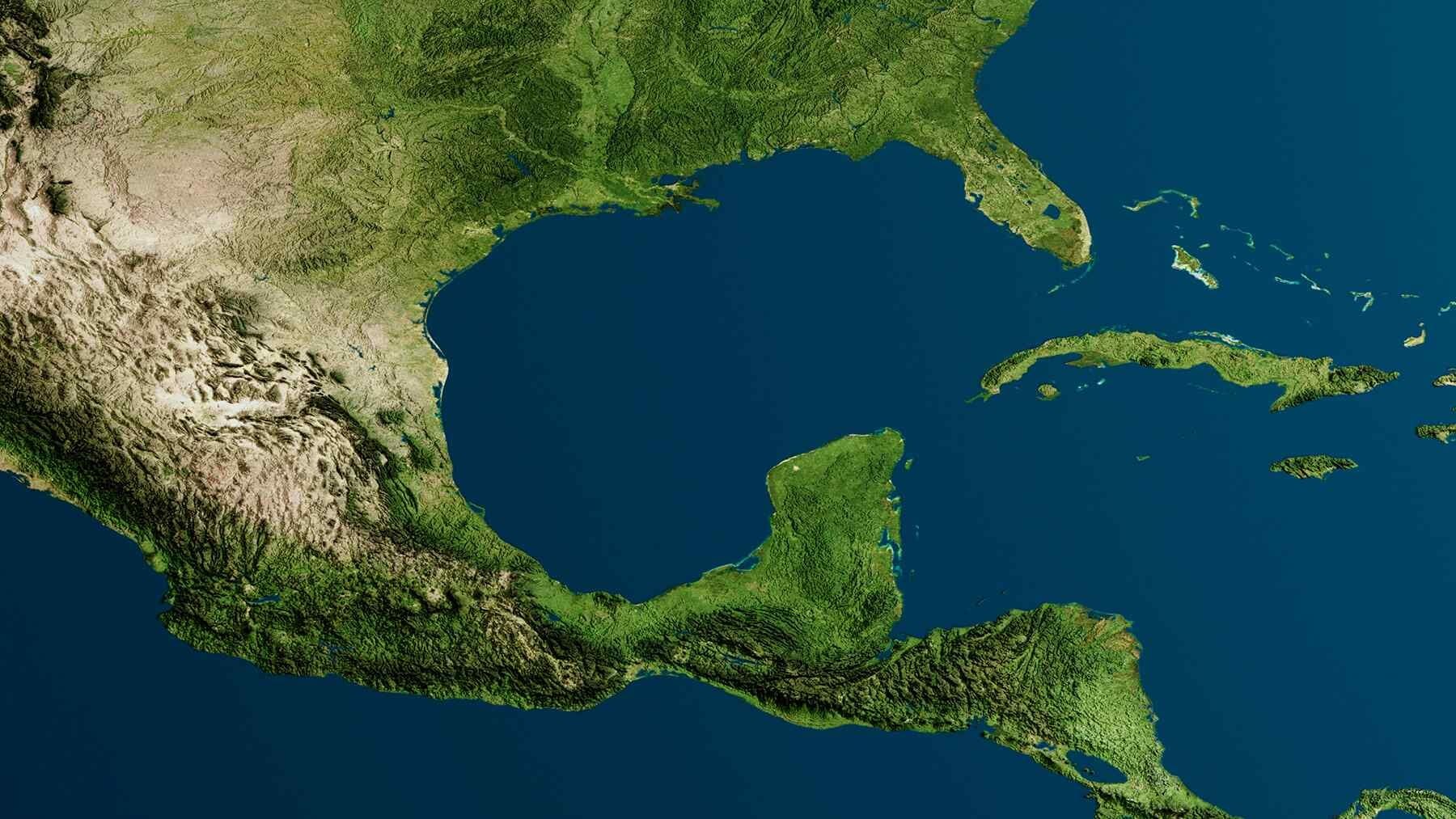
Bandit is located approximately 125 miles southwest of Louisiana and is part of a region that has been extensively studied and yet continues to yield surprises. The well was drilled by Occidental (the operator), with participation by Chevron and Woodside, and while it did encounter oil in the zone that had been identified as having potential, that occurrence was far from guaranteed.
At this juncture, the parties are being cautious. They refer to “evaluation” and “next steps,” which are terms commonly used by experienced operators who do not want to get their hopes too high or to make premature announcements.
The next chapters for Bandit will be influenced not only by geological considerations but also by issues related to timing, economics, and market conditions.
Nevertheless, the fact that all three parties agree that the evaluation process should continue indicates that Bandit represents something more than merely another anomaly of data.
Appraisal, rather than discovery, defines the value of an oil field
The discovery of oil answers many questions. However, discovery provides few definitive answers regarding such things as volume, rate of flow, and cost-to-produce. These types of answers are provided during the appraisal process. Appraisal tests optimism and determines whether discoveries are viable candidates for development.
Two factors in Bandit’s favor are noteworthy
- First, the ownership percentages among the parties. Occidental owns nearly 50% of Bandit. Chevron also has a significant percentage. Together, these two entities represent a majority of the ownership interest in Bandit. As such, they share the risks and responsibilities associated with developing the property and are likely to act in concert when making decisions.
- Secondly, because Bandit is relatively near numerous existing offshore production platforms and related pipeline systems, it appears that it would be feasible to tie in Bandit to these systems. Such would greatly reduce the time needed to develop Bandit and minimize its associated costs.
As such, the current situation surrounding Bandit is emotionally less daunting. Rather than being a speculative effort to determine if Bandit contains producible reserves, the appraisal effort is essentially a measured attempt to verify if Bandit can fit into the established production system(s) currently operating in the region.
What the joint venture participants believe they have
The objective of the subsequent appraisal efforts is to provide sufficient information to allow for the determination of the quantity and quality of the producing reservoir and to provide sufficient information to justify whether or not developing the reservoir is economically justified. Preliminary results suggest that the reservoir has favorable petrophysical characteristics relative to continuity, which is an essential characteristic for long-term producing capability versus short-lived surges.
Chevron and Woodside see Bandit as further reinforcing their commitments to deep-water Gulf assets that produce large quantities of hydrocarbons without spectacular fanfare. For Occidental, Bandit enhances a portfolio of regional properties that were developed using incremental growth techniques rather than through the construction of massive projects. None of the participating companies is indicating that they expect a major breakthrough. Rather, they are quietly verifying if Bandit will provide a reliable means of adding additional hydrocarbon barrels to their respective portfolios.
If appraisal efforts support initial expectations, Bandit would reinforce a common but generally unappreciated truth – that the Gulf of Mexico remains responsive to patient behavior, experience, and access to infrastructure. The next chapters for Bandit will be influenced not only by geological considerations but also by issues related to timing, economics, and market conditions. For those who follow offshore activity, Bandit is closely tied to the evolving redefinition of investment strategies for deep-water exploration now underway throughout the Gulf.
