
When Arctic cold pushed East Coast power grids to the breaking point, offshore wind farms showed up like a quiet neighbor with a generator
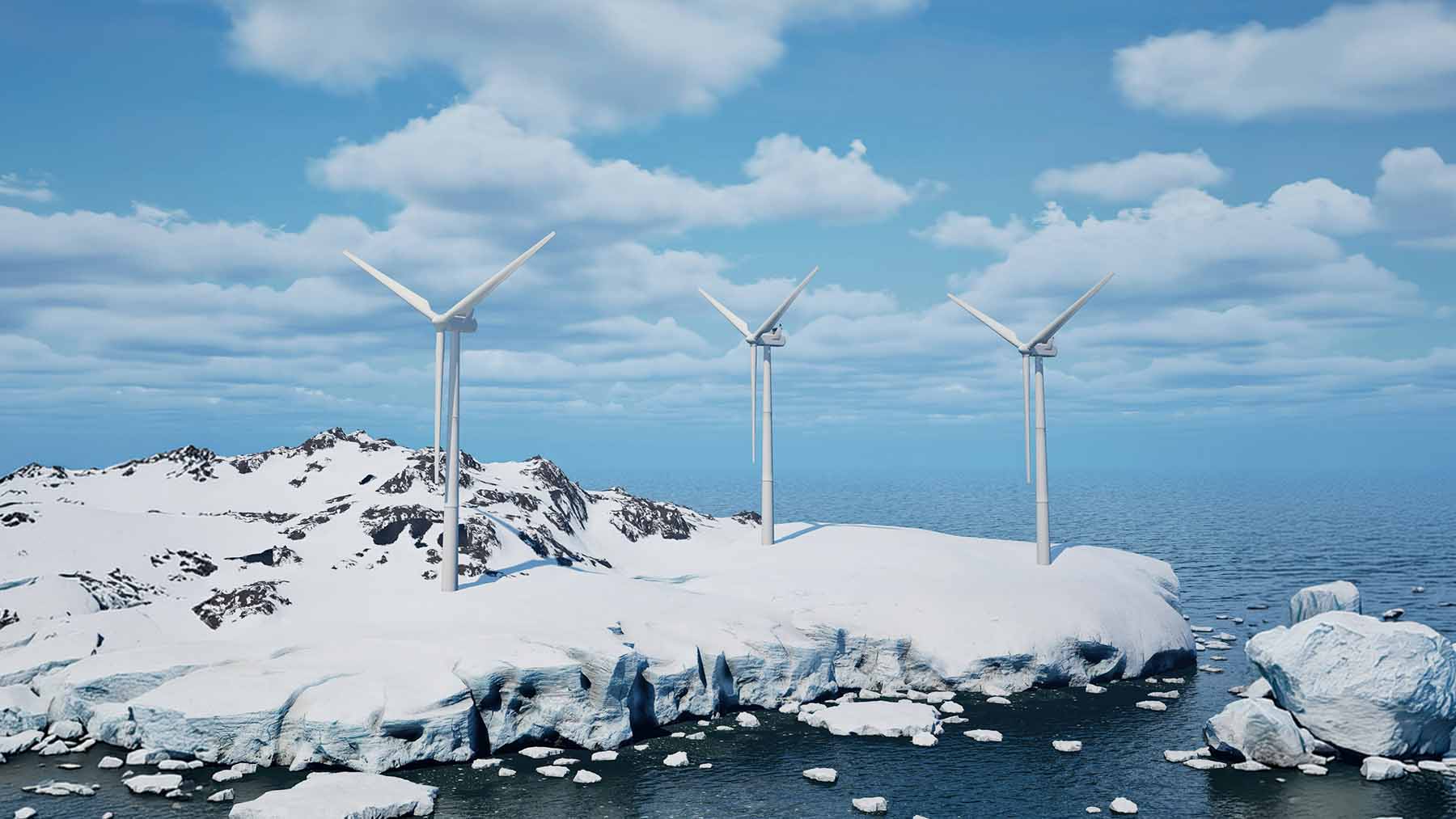
Arctic cold locked down the northeastern U.S. for weeks this winter — heating systems running flat out, electricity prices climbing, grid operators watching the margins shrink. It was exactly the kind of stress test that skeptics have long used to argue that offshore wind can’t be counted on when it matters most.
The early data from those weeks tells a different story.
A grid under pressure
When Arctic air settled over the northeastern U.S. this past winter, the region’s electricity grid felt it immediately. Heating systems ran around the clock. Wholesale power prices climbed sharply, and grid operators watched their safety margins shrink with each passing day.
It showed up this January, in spiking prices and burning oil plants, and the question now is whether policy will catch up to what the data already confirmed.
New England utilities faced a familiar and uncomfortable choice: fire up oil-burning power plants — assets normally too expensive to justify running — or risk blackouts. They lit the burners. The result will mean higher electricity bills for residents who already pay some of the highest energy costs in the country, partly because New England simply lacks recoverable oil and gas of its own.
That’s the backdrop against which a quieter story was unfolding offshore.
What the performance data actually showed
America has two utility-scale offshore wind farms operating today. Both were running during the cold snap. Both performed well.
South Fork Wind, the 132-megawatt farm delivering power to Long Island, recorded a 52% capacity factor for January — meaning it generated just over half of its theoretical maximum output across the month. That puts it on par with New York State’s most efficient gas-fired plants.
Vineyard Wind, off the coast of Massachusetts, did even better during the worst of it. During Winter Storm Fern, the project — already capable of producing up to 600 megawatts despite being only 95% complete — hit a 75% capacity factor. Its contracted delivery price of $84.23 per megawatt-hour looks almost modest against spot wholesale prices, which spiked above $870 per MWh on January 25. Experts at Oceantic Network’s International Partnering Forum confirmed what the numbers suggested: offshore wind performed as well as gas and better than coal throughout the storm.
Wind as a price stabilizer, not just a power source
The capacity factor metric is worth pausing on. It doesn’t just measure how much electricity a plant produced — it reflects how consistently power was delivered relative to potential. A high capacity factor during a winter storm is exactly what grid operators need when margins are thin.
Katie Dykes, commissioner of Connecticut’s Department of Energy and Environmental Protection, framed the broader value plainly. “Variable resources like wind and solar, when they’re operating during these cold weather periods, they’re actually helping to keep a lid on prices,” she said. “It means we can reduce the runtimes of those more expensive oil units.”
That price-stabilizing effect matters most in densely populated, land-constrained coastal states — precisely the places where offshore wind is most practical to build, and where winter electricity demand peaks most sharply.
The bitter irony: federal policy versus grid reality
Here’s where the story turns uncomfortable. The Trump administration has issued stop-work orders on five in-progress offshore wind farms, citing vague “national security” concerns. Vineyard Wind is one of them.
Federal officials have simultaneously called for more fossil-fueled generation to prevent future winter blackouts — even as the resource that just helped prevent one sits partially halted. Federal judges have allowed all five projects to continue construction while legal challenges move forward, but Interior Secretary Doug Burgum has said the administration plans to appeal those rulings.
Industry advocates aren’t letting the contradiction go unnoticed. “Performance data is showing in real time that offshore wind delivers reliable power when the grid needs it the most,” said Liz Burdock, president and CEO of Oceantic Network.
What’s at stake if the pipeline stalls
The projects in limbo aren’t abstract. Ørsted’s Sunrise Wind and Equinor’s Empire Wind, both slated for New York waters, would together add 1.7 gigawatts of capacity — enough to cover more than 10% of the electricity needs of New York City and Long Island.
Gary Stephenson, a senior vice president at the Long Island Power Authority, was direct about what their absence cost this winter. “I really wish we had that Sunrise facility online,” he said. “That would have taken so much pressure off the natural gas system.”
Sunrise Wind is expected to come online in 2027 — if construction is allowed to proceed.
Grid operators are counting on that capacity to meet rising demand from data centers, electrified homes, and electric vehicles. The need isn’t theoretical. It showed up this January, in spiking prices and burning oil plants, and the question now is whether policy will catch up to what the data already confirmed.

Carlos is an engineer with strong expertise in technical and industrial topics. He previously worked at international companies such as Siemens and is multilingual.
