
OP-ED
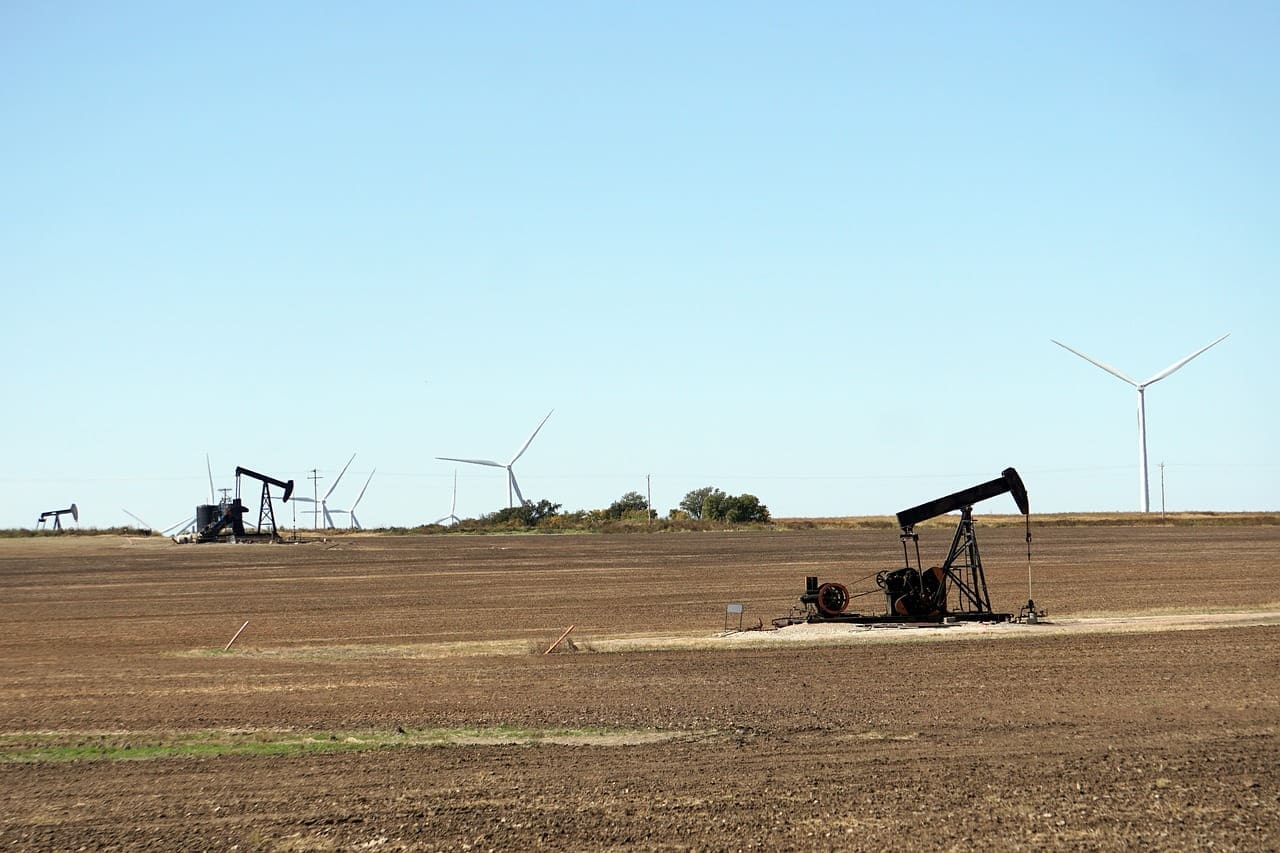
Oklahoma may be better known as a top-five producer of oil and natural gas within the United States, but its energy sector is fast becoming a shining star in the renewables field as well.
Between 2018 and 2023, Oklahoma boosted clean electricity generation by 35%, more than twice the national average and exceeding the growth pace of clean energy giant California over that period, data from energy think tank Ember shows.

Oklahoma’s power producers also cut total fossil fuel-powered generation by nearly 12% since 2018, which again was double the rate seen nationally and sharply exceeded fossil fuel use cuts in Texas and California during the same time frame.
Higher clean power output along with cuts to fossil fuel use have helped Oklahoma’s power sector cut emissions by 20% since 2018, vastly exceeding the 7% emissions cut posted by Texas over the same period and the 14% drop in national emissions.
And thanks to continued growth in wind generation capacity so far in 2024, Oklahoma looks set to emerge as a key driving force behind national energy transition efforts alongside its better known clean power producers.
WIND POWER
Aggressive expansions to wind generation capacity have been the main driver of Oklahoma’s clean energy growth, with wind’s share of the state’s electricity mix jumping from around 32% in 2018 to 42% in 2023.
Oklahoma’s electricity generation from wind farms jumped by 38% over that five-year span, and in 2022 the state produced more electricity from wind than from any other source.
Natural gas has re-emerged as Oklahoma’s primary power source from 2023, but sustained growth in wind capacity looks set to ensure clean power’s share of the electricity mix continues to expand.
From 2020 through 2023, Oklahoma’s wind capacity grew by an annual average of 1,049 megawatts (MW), which sharply exceeded the growth rates of all other states except Texas during that window, according to energy data portal Cleanview.
During the first quarter of 2024 Oklahoma added a further 403 MW of wind capacity, which was second only to Texas’ 449 MW and indicates that Oklahoma could set a new state record for wind capacity additions in 2024.
CARBON INTENSITY CUTS
Oklahoma’s clean power drive has been a relatively recent development.
While Texas’ power system has generated more than 10% of its electricity from clean sources since 2000, Oklahoma’s clean power share only crossed the 10% threshold in 2012, Ember data shows.
But since then, clean power output has accelerated rapidly, and has accounted for more than 40% of Oklahoma’s annual electricity supply since 2021.
This retooling of Oklahoma’s power system from primarily fossil fuel based to heavily powered by clean sources has in turn led to a rapid reduction in the state’s power sector carbon intensity.
Since 2018, the carbon intensity of Oklahoma’s electricity generation has fallen from around 384 grams of carbon dioxide (CO2) per kilowatt hour (KWh) to 297 grams of CO2 per KWh by 2023.
That 23% fall in carbon intensity is again far greater than the 14% fall in national power intensity over the same period, and also exceeds the 10% fall in California and 18% drop in Texas over the same period.
Oklahoma’s carbon intensity has also dropped from registering consistently above the national average through 2016 to being consistently below the national average since then, which has further reinforced the state’s reputation as an emerging clean energy leader.
WIDENING TRANSITION
Oklahoma’s energy consumers have also made significant shifts to usage patterns and sources.
Oklahoma’s car drivers posted the largest yearly jump in electricity use for electric vehicle (EV) charging of all U.S. states in 2023, according to the U.S. Energy Information Administration (EIA).
The 74% jump in Oklahoma’s electricity demand for EV charging far exceeded the growth rate in surrounding states and the national average (45%) last year, and highlights how households can also help drive power sector decarbonization.
But the state’s power producers remain the most critical source of clean energy progress. If they can continue to roll out new clean generation capacity while curbing fossil fuel use, the state could soon eclipse its larger rivals and emerge as a new darling of national energy transition efforts.
The opinions expressed here are those of the author, a columnist for Reuters.
(Reporting by Gavin Maguire; Editing by Jamie Freed)