

The last time we saw such activity related to Petrobras’ refining footprint was based upon both what the company had sold as well as what the company chose to keep. Divesting of assets was often viewed as something that happened in the past. Yet, there are indications that at least one previous decision will be revisited. The Mataripe refinery, which many have seen as a strategically important refinery, is currently at the center of Brazil’s downstream discussion.
A legacy asset which has never left the conversation completely
When you consider the significance of Mataripe (formerly referred to as the Landulpho Alves refinery) as one of Brazil’s largest refineries, the refinery accounts for a considerable portion of Brazil’s total refining capacity. Additionally, due to its geographic location, it supplies a sizeable percentage of the petroleum products required by the northeastern region of Brazil.
When Petrobras decided to sell Mataripe in 2021, the divestiture of the refinery was part of a broader effort to pay down debt and open up the refining market to competition.
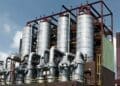
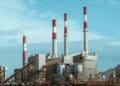

However, the rationale behind opening up the refining market to competition has since faced opposition from both policymakers and strategic players. Although the sale was made, many continue to follow Mataripe with great interest from both policymakers and market participants. Mataripe continues to be viewed by many as a “test” case for Brazil’s long-term approach to energy security and price-setting autonomy.
Why Petrobras is now opening up the possibility of re-acquiring Mataripe
Petrobras’ renewed interest in acquiring or re-acquiring Mataripe is indicative of a larger shift in the company’s downstream strategy. According to various sources, Petrobras is currently investing approximately 15 billion dollars in a group of refineries (the Petrobras Refining Portfolio), designed to provide greater operational control and minimize risk associated with external price volatility.
Therefore, acquiring or re-acquiring previously divested assets is no longer off limits as opposed to being prohibited.
Additionally, Petrobras has set forth a very aggressive growth agenda, which includes forming new alliances, making selective acquisitions, and increasing its level of vertical integration between refining and logistics. Therefore, re-acquiring Mataripe is a major component of Petrobras’ strategic review of where its refining capacity should reside within its overall corporate portfolio.
How acquiring Mataripe would change operations
Re-acquiring Mataripe would immediately impact Petrobras’ existing refining position. More specifically, instead of having to rely more heavily on privately owned facilities for regional supply needs, Petrobras would regain direct operational influence over pricing, throughput scheduling, and maintenance activities associated with Mataripe. This operational control is critical given that fuel price volatility can directly lead to adverse political and economic ramifications.
On a commercial basis, re-acquiring Mataripe would also result in reduced logistical costs. With Mataripe integrated into Petrobras’ larger refining and transportation network, there would likely be improved coordination among different operating entities regarding crude oil procurement and product delivery. Such coordination would help eliminate unnecessary costs associated with inefficient operations that occur when multiple entities are pursuing different strategic objectives.
A single element of an overall plan to grow
While Petrobras ‘ acquisition of Mataripe could be viewed by itself as a means to create a focus on this specific purchase, the acquisition of Mataripe is only one aspect of an overall strategy of growth for Petrobras.
Petrobras has clearly stated that asset acquisitions/purchases or repurchases, international strategic partnerships/alliances, and long-cycle investments are part of their larger plan to build a solid base for future long-term cash flows in addition to enhancing Brazil’s sovereignty in the energy sector. Thus, the acquisition of Mataripe will serve as only a single initial indication of Petrobras’ planned course of action moving forward.