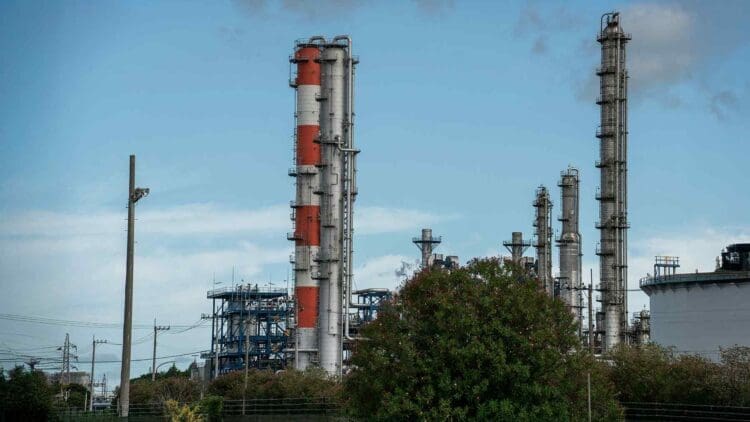

Deferred Prosecution Agreements (DPA’s) are being employed by prosecutors across the country to obtain corrective actions from corporations that have allegedly violated laws associated with complex environmental issues. In fact, Phillips 66 recently settled a DPA related to allegations made under the Clean Water Act regarding violations of that statute at their Carson, California, refinery.
From an indictment to negotiated oversight
The case began in 2024 when a federal grand jury indicted the corporation, alleging the discharge of large volumes of wastewater and failure to properly report those discharges.
Prosecutors charged that PBF Energy released at least hundreds of thousands of gallons of non-compliant industrial wastewater from the facility through the Los Angeles County Sewer System over two different events during 2020 and 2021. The prosecutors claimed that each event involved the release of large volumes of water containing high levels of oil and grease in excess of what was allowed under the permits given to PBF Energy by regulatory agencies. Additionally, the prosecutors charged that the refinery failed to report both of the aforementioned discharge events in a timely manner.


Industry press coverage of the case noted that had the parties proceeded to trial, there was the potential for fines and/or probation for the refinery. The parties were able to resolve the case through a negotiated DPA. A DPA effectively places the prosecution of the case on hold while the corporation implements specific compliance measures (which may include upgrades to programs, monitoring, and/or payment(s)), with the possibility of having the charges dismissed at the end of the term, provided the corporation successfully completes the required measures.
What does this DPA signal about enforcement?
This DPA indicates that environmental mishaps involving refineries can lead to enforcement mechanisms that go beyond mere administrative actions. Specifically, the amount of non-compliant wastewater released into the environment, whether it occurs multiple times or is characterized by poor communication, demonstrates the importance of environmental compliance at refineries.
Furthermore, this DPA suggests that regulatory bodies expect refinery operators to maintain strict control over wastewater and maintain proper procedures for reporting incidents at all times, not simply when the facility is operating in accordance with planned activities.
A look at the broader California context
This case is occurring at a time of increased scrutiny and transformative changes within the California refining sector. Phillips 66 is in the process of transitioning out of the Los Angeles area and closing their local operations. Additionally, local communities and government agencies are seeking to understand the scope and timeline for the obligations to clean up and restore sites after facilities cease operations.
As the state continues to pursue increased policy measures to enhance the safety of the public and environment, including new requirements for maintaining inventory records and increasing transparency regarding refinery closures, the liability of refinery operators is expected to increase in conjunction with their responsibility to remain compliant.
Why does this matter for operators now?
For refiners, the use of DPAs, similar to the one outlined in the above-referenced article, serves as a reminder to refiners that environmental compliance is not merely a side benefit to doing business but rather a critical element of corporate governance and risk management.
Furthermore, with the potential for criminal enforcement against refiners due to the failure of environmental systems, refiners must ensure that they implement and maintain stringent controls, provide timely notification of adverse environmental conditions, and demonstrate measurable progress toward remediating impacted areas. These requirements place constraints on refiner capital spending years prior to the cessation of operations.
Phillips 66’s deferred prosecution agreement eliminates the direct threat of immediate criminal liability and provides the means for the U.S. Attorney’s Office to monitor Phillips 66 and establish the framework for preventing similar violations from occurring again. The Phillips 66 deferred prosecution agreement is also representative of the current enforcement postures at both state and federal levels.