
Promised a voice and then bypassed on a 140-acre decision, Vernon’s townspeople now face three futures for the valley that once held Vermont’s only nuclear plant, and the option dividing them most is the one no one saw coming
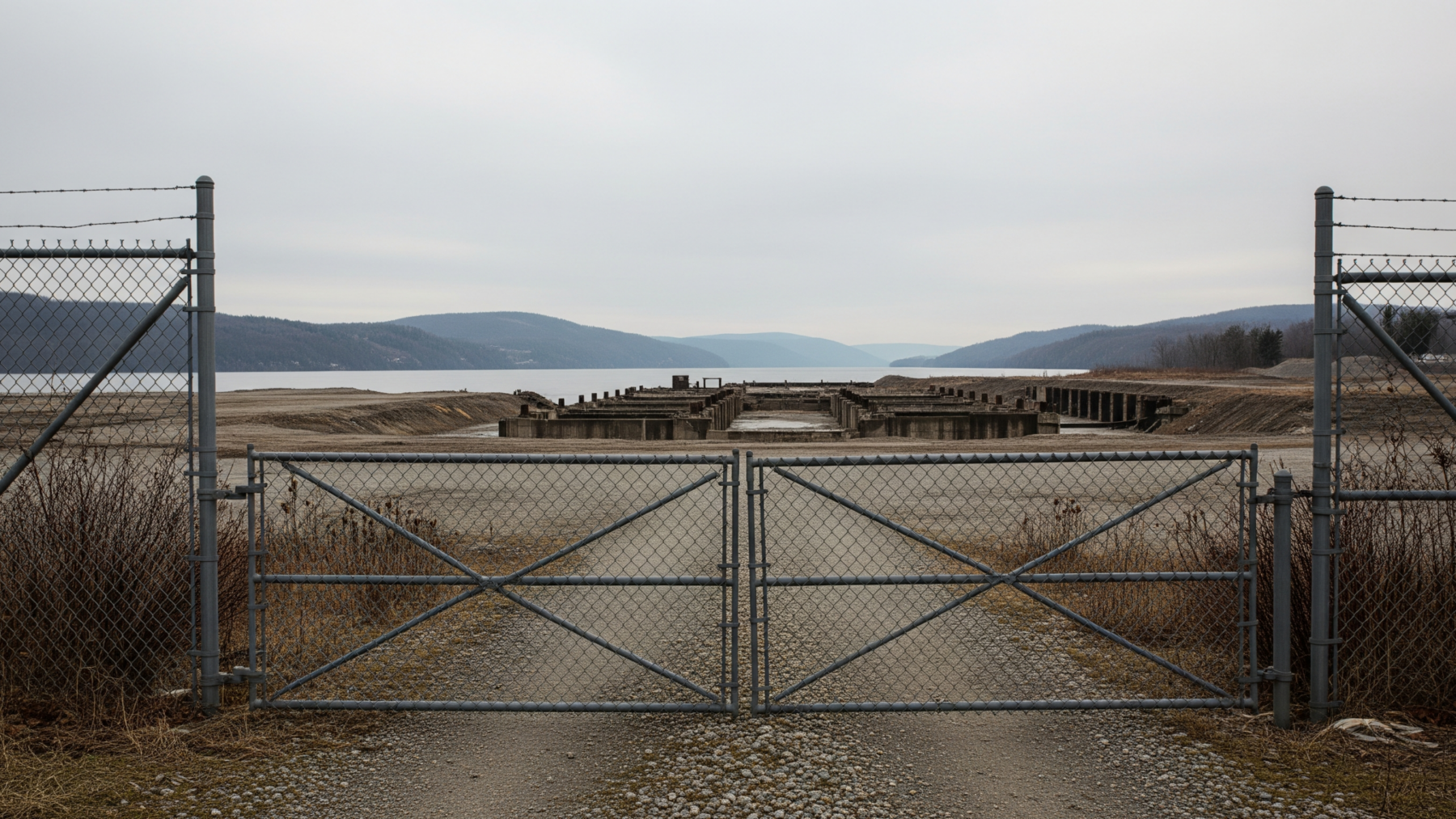
It closed on a gray December day in 2014, after forty years of splitting atoms beside the Connecticut River in the southwest corner of Vermont. The plant is mostly gone now, the reactor vessel long since cut apart and shipped away. But the 140-acre scar it left on the landscape of Vernon is very much alive, and the argument over what comes next has turned a small town against a Texas company. The fight has opened a question that every community watching nuclear’s revival should read carefully.
The promise NorthStar made and the deal that broke it
Vermont Yankee Nuclear Power Station shuttered in 2014, leaving behind more than 100,000 tons of nuclear waste. The decommissioning task fell to NorthStar Group Services, which took over the site in 2019. From the beginning, NorthStar told Vernon officials and residents they would have meaningful input into what happened to the land once the cleanup was done.
NorthStar is ahead of its scheduled 2030 completion date and under budget, according to its latest report to the Vermont Nuclear Decommissioning Citizens Advisory Panel. That progress is genuinely good news. What happened alongside it is not. Vernon town officials say they had no real input into the decision to lease the land to PowerTransitions, and the word “broken” began circulating at selectboard meetings almost immediately.
All three would draw on the same cleared land, the same transmission lines threaded through the Connecticut River valley and the same forty-year regulatory history.
A Texas company appears, and Vernon hears about it late
NorthStar agreed to lease the property to Texas-based PowerTransitions, which is backed by private equity firm Partners Group. PowerTransitions specializes in acquiring retired power infrastructure such as shuttered coal or nuclear sites and redeveloping them for energy storage, data centers or new power generation. It is, by its own description, a company that hunts for exactly what Vernon sits on: cleared industrial land with a regulatory history already behind it.
NorthStar CEO Scott State wrote in a statement provided to VTDigger that the company went to the town in January 2024 to introduce PowerTransitions before the two companies entered a lease agreement. Vernon’s selectboard saw it differently. Planning Commission Chair Jim Pinkerton was direct: “NorthStar felt comfortable” leasing that land to PowerTransitions without querying the town on it.
Trust, once the unspoken currency between a town and its industrial neighbor, had been spent without notice. An earlier friction point arose when a house bordering the site was put up for sale and a resident moved to buy it, only to have PowerTransitions exercise its option and cancel the transaction. Small grievances in a community of roughly 2,000 people land hard.
Three futures, one very divided town
PowerTransitions held its first real public session with Vernon in July 2026, and residents packed the room. Three options were on the whiteboard: a battery storage facility, a data center and a small modular reactor. All three would draw on the same cleared land, the same transmission lines threaded through the Connecticut River valley and the same forty-year regulatory history.
Selectboard chair Brandon Bucossi said the least popular option, based on his conversations with residents, is a data center. Critics cite heavy electricity consumption, high water use and noise concerns. Battery storage drew far fewer objections. And then there was the third option, the one that relit a debate the town thought it had closed more than a decade ago.
The option nobody expected: a nuclear reactor, again
Planning Commission Chair Jim Pinkerton confirmed, as VTDigger reported, that a PowerTransitions representative had acknowledged the company is also considering small modular reactors, technology capable of producing up to 300 megawatts. A community that spent forty years living beside one reactor now faces the possibility of starting that cycle again with a smaller machine and a different set of promises. The room went still when the word “nuclear” appeared on the whiteboard.
The idea is not outlandish. The site already has transmission infrastructure, a trained regional workforce and regulatory familiarity with nuclear operations, exactly the advantages drawing communities toward advanced nuclear. Several attendees told the company it must “earn our trust.” Townspeople want promises in writing that PowerTransitions will not act without community support, a phrase that carries real weight in a place that was promised a voice and never quite received one.
What Vernon actually wants, and what it reveals
The selectboard chairman told townspeople he believes PowerTransitions is leaning toward a battery storage facility, which may well be the most likely outcome. But the site is still undergoing decommissioning, and the Nuclear Regulatory Commission must approve that work before any new construction can begin. Vernon has time, and the question is whether it uses that window to secure enforceable guarantees.
Communities now watching their own retired plant sites would do well to secure host agreements that write consultation rights directly into zoning before a lease is ever signed. Vernon had no such instrument, only a promise, and a promise without paper means very little when a private equity backed developer holds the lease. Vermont’s Public Service Commissioner has said he is committed to community wishes coming first, but that commitment is not yet in writing either. PowerTransitions has pledged to keep talking, and Vernon intends to hold them to it. The site that once powered New England’s grid will become something new before this decade is out, and the only unresolved question is whether the people who live closest to it will have a real hand in that decision, or merely a front-row seat.
Hugo is an engineer with strong technical expertise. Multilingual from an early age, his writing combines technical clarity with a strong interest in science and energy.
