
A solution to the shortcomings of turbines could revitalize the wind power sector.
Wind turbines may play a vital role in the energy transition, but they have been stigmatized for their hidden footprints.
That is why researchers and engineers have been seeking alternative designs to break the stigma once and for all.
Could the latest wind pilot’s approach be the key to replacing rotating blades with the power of “lifting” instead?
How wind turbines quickly rose to the occasion
Climate change and its dire effects wait for no one. With record-high carbon levels and temperatures, choosing between one renewable and the other is no longer enough.
When the sun sets, solar power as a sole alternative to fossil fuels often falls short.
The grid is also becoming increasingly strained under global energy demands. This makes the need for stable power greater than ever before.
This is when the towering wind turbines come in. Wind power has often been deemed the quickest and most affordable alternative approach to decarbonize the global grid.
It is also a great complement to solar power, making it near irreplaceable in the shift away from fossil fuels.
Unfortunately, the world has become highly critical of these giant installations due to their hidden costs.
Without a way to break the stigma, the world may have bid farewell to a valuable, clean source of power.
The mighty giants have fallen with their great footprints
Some people tend to overlook the “fine print,” but what happens if there is nothing to warn about possible consequences?
In the case of traditional wind turbines, the true environmental impact was initially uncertain. Eventually, it came to light that the nearly 300-foot-long spinning blades increase bird and bat mortality and habitat displacement.
However, besides the hidden ecological costs, they also present logistical costs.
These massive, heavy blades also require specialized transportation, widening of rural roads, and temporary signage removal. This makes logistics a nightmare while also limiting wind power access in extremely remote regions.
Wind turbine manufacturing is also highly reliant on rare earth minerals, which intensifies global supply chain issues and geopolitical tensions.
Add the “Not in my Backyard” movement to the mix, and it is no wonder that “the mighty have fallen.”
Fortunately, a Wyoming-based startup has created a prototype that could break wind power’s stigma.
The design to lift wind energy from its slump
Some engineers thought removing a blade from wind turbines would solve all their problems. But the startup called Airloom Energy took an entirely different approach.
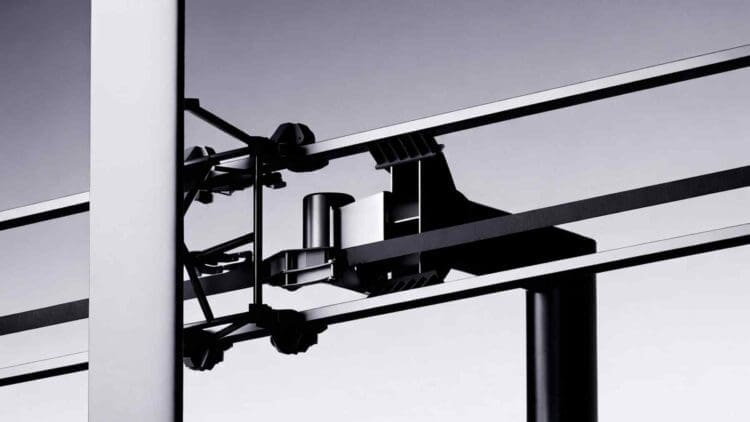
The towering hubs were replaced with a low-profile, track-based design. The system consists of 32-foot vertical blades (“wings”) attached to a cable, which glide along an oval track.
80-foot-tall poles support the track, making the entire system a fraction of the size of typical designs.
The benefits of Airloom’s aerodynamic lift approach
Wind passes over the vertical wings, which move the cable around the track. The power of “lifting” results in decreased mechanical stress when kinetic energy is converted into electricity.
The design is not only smaller, but also lighter physically and ecologically. The Airloom system has 40% lower mass and 96% fewer unique parts that rely on rare earths.
This small, lightweight approach makes logistics significantly easier and boosts wind power accessibility. Airloom’s prototype could finally be the final piece to the puzzle. The design passed testing for the Wyoming pilot project and could soon be fast-tracked to commercialization. The company’s approach thus proves that the industry is ready to shift toward modular energy. This way, wind energy can finally rise like a phoenix from the ashes to power the world. The future of sustainability is officially looking smaller, smarter, and much more symbiotic.