
Engineers repair a 65-foot crack at Washington’s Wanapum Dam using bedrock anchors after lowering the reservoir 26 feet
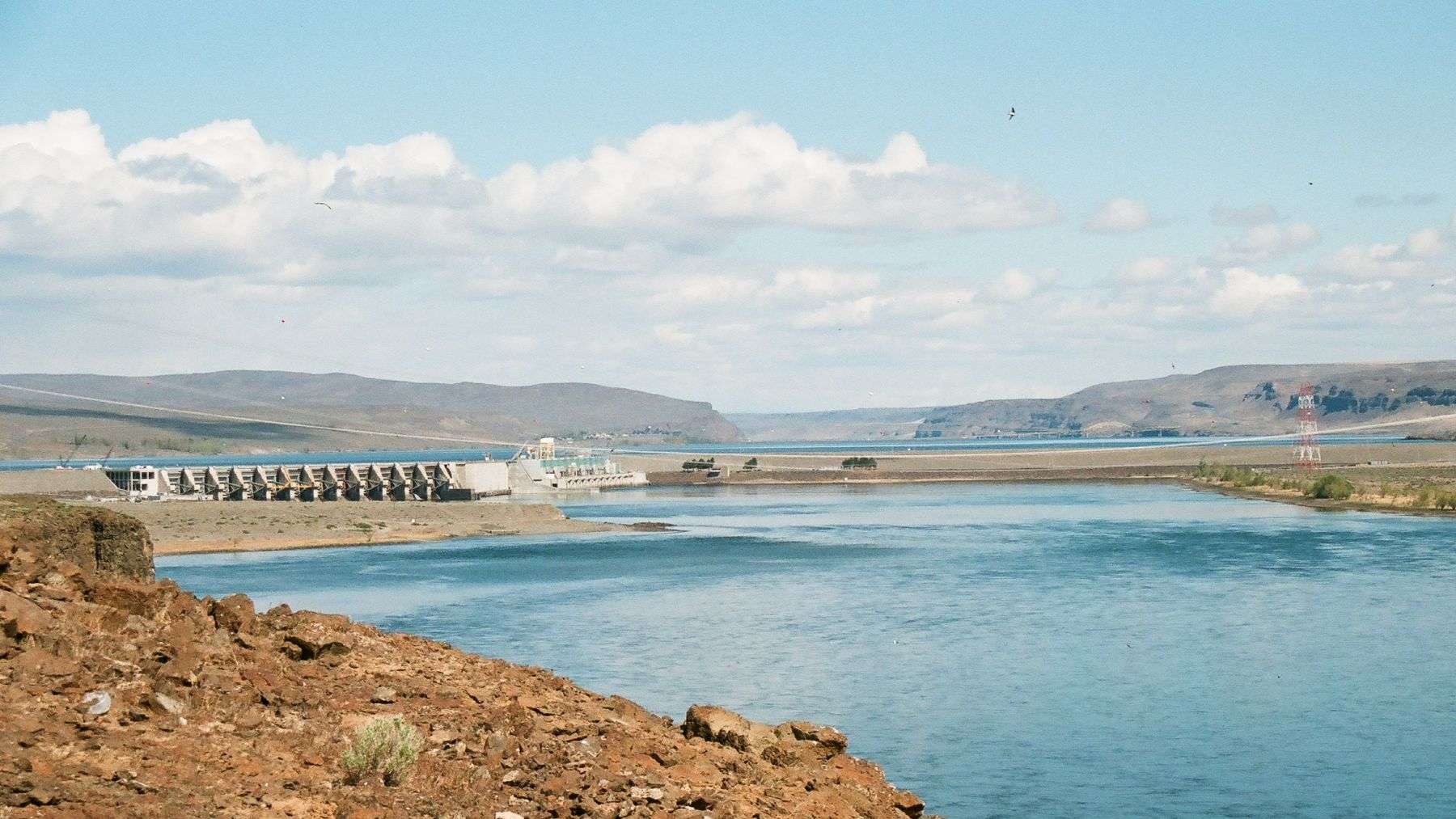
One of Washington’s legacy dams required urgent structural repairs after an inspection revealed a crack.
Across the United States, aging hydroelectric infrastructure continues to support river control and supply vital clean power.
However, decades of operation expose these facilities to structural wear, which raises public safety concerns.
This reliable supply is crucial as American energy consumption continues to increase due to electrification and data center expansion.
The event in Washington exemplifies this, highlighting why immediate intervention is crucial.
How did engineers stabilize the massive structure while protecting nearby communities?
How aging hydroelectric plants support America’s modern, clean energy needs
In 1882, the United States’ hydroelectric era began.
That year, the world’s first hydropower plant opened on the Fox River in Appleton, Wisconsin.
Between the 1930s and 1940s, major federal dam projects across the Tennessee Valley and the West reshaped the national grid.
Industrial growth accelerated, rural homes received affordable electricity, and wartime manufacturing boomed.
Several decades later, this legacy infrastructure remains a core pillar of the American power system.
Over 2,200 hydropower facilities operate nationwide with approximately 80 gigawatts of standard generating capacity.
Combined, these plants supply almost 29% of national renewable power each year.
Dams also deliver consistent, dispatchable baseload electricity around the clock.
This reliable supply is crucial as American energy consumption continues to increase due to electrification and data center expansion.
The legacy infrastructure also helps utilities avoid about 150 million metric tons of carbon dioxide emissions annually.
However, decades of operation have also made these plants vulnerable to structural faults and failures.
The effects of years of continuous operations
Hydroelectric plants endure constant environmental and mechanical stress.
Every second, millions of gallons of reservoir water press against upstream concrete.
The dam structure is also repeatedly flexed by temperature shifts, seasonal water-level changes, and turbine vibrations.
As atmospheric patterns continue to rapidly change, these factors intensify, which can accelerate structural fatigue.
Nonetheless, over decades, cyclic loads cause concrete degradation.
Meanwhile, water seeping into small seams creates upward hydraulic pressure, which is called uplift intrusion.
These hidden faults can carry severe consequences when ignored.
Microscopic hairline fractures can widen beneath the waterline, weakening concrete lift joints and spillway piers.
Progressive cracking threatens structural stability and can lead to uncontrolled reservoir releases.
Downstream flooding, blackouts, and ecological damage risks also increase.
In 2014, these dangers became a reality in central Washington.
The Wanapum Dam, owned and operated by Grant PUD, faced a structural emergency, requiring urgent intervention.

The Wanapum Dam and its 65-foot crack
Hydropower infrastructure upgrades may add new capacity, but they also prevent potential catastrophes.
In February 2014, a technician noticed a bridge displacement at the Wanapum Dam.
This prompted inspections that uncovered a two-inch-wide crack across a 65-foot width of a concrete spillway pier monolith.
The crack was below the waterline and was linked to upstream tensile stresses, uplift intrusion, and concrete fatigue.
The Association of State Dam Safety Officials later documented and analyzed the incident as a key case study. The technical findings were shared with dam safety professionals nationwide.
The Emergency Action Plan of Grant PUD
After the utility activated its Emergency Action Plan, the reservoir was lowered by 26 feet to relieve water pressure.
Crews installed 35 post-tension tendon anchors into the bedrock, up to 260 feet deep.
Then, 69 anchor bars in the spillway and lift-joint drains were installed.
This entire emergency repair and drawdown lasted about 10 months.
In December 2014, Grant PUD raised the reservoir’s levels back to normal with no uncontrolled release.
This event demonstrated how hidden internal cracks can form without surface warning signs.
It prompted closer stability inspections along internal concrete planes.
The Wanapum Dam has operated since 1963, and thanks to its maintenance, it can continue to power Grant County.
Ultimately, more legacy hydroelectric plant upgrades are needed to ensure ongoing national grid reliability.

Anke Maree is a writer with a clear and engaging editorial style. Her work focuses on making complex topics accessible, informative, and relevant for readers across different areas of interest.
