
Sercel sells 6,000 Accel seismic nodes to DMT for geothermal exploration survey near Munich
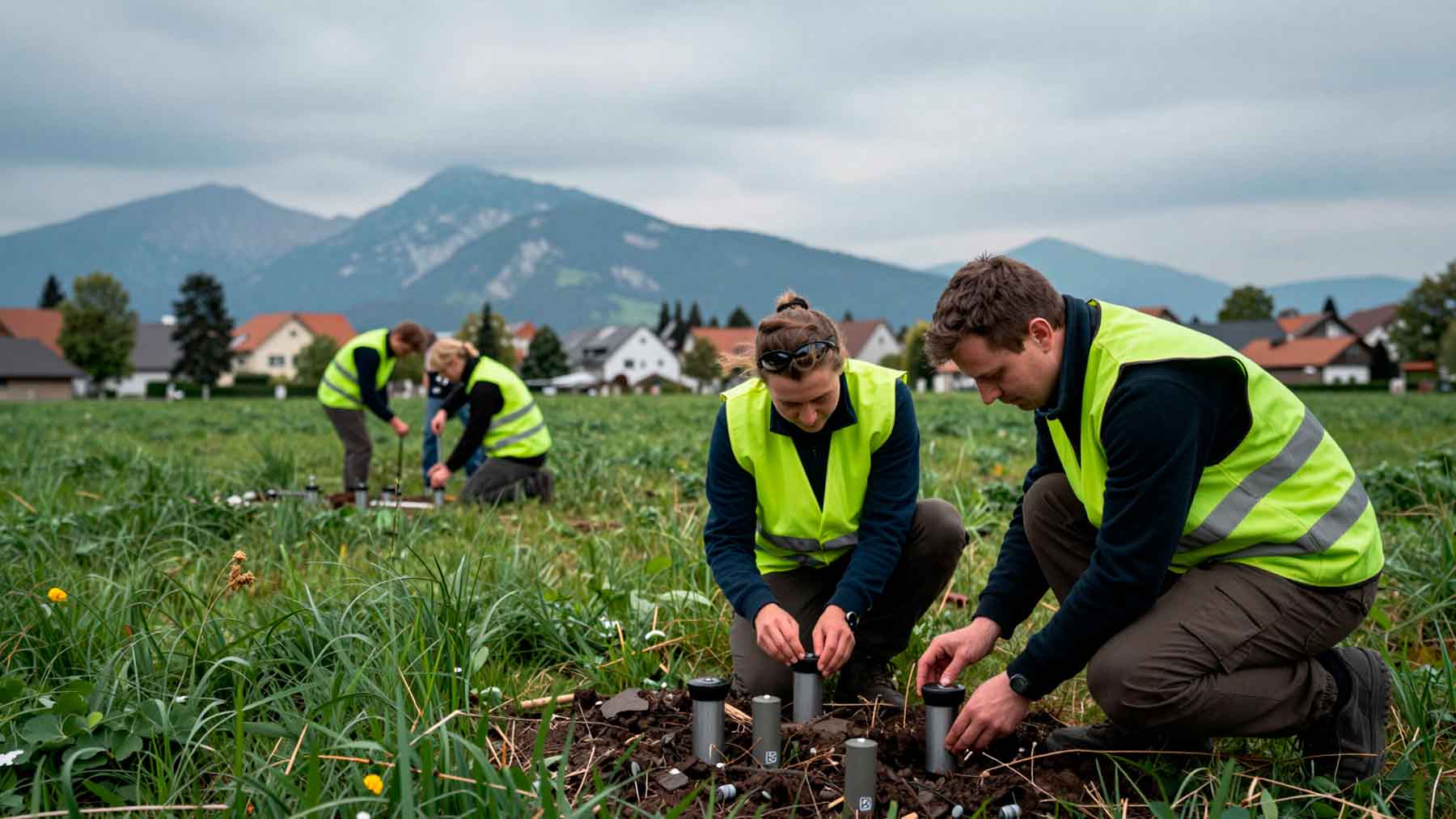 Image generated with artificial intelligence
Sercel just sold 6,000 Accel drop nodes to DMT GmbH & Co. KG, a German engineering firm, for a large-scale geothermal exploration survey in the greater Munich area. It’s one of the first major commercial deployments of the Accel platform since it launched earlier this year—and it’s a pretty telling sign of where the market is heading.
Sercel announces node sale to DMT for Munich geothermal project
Sercel confirmed the deal publicly. DMT, a German engineering and geosciences firm, is taking those 6,000 nodes to the Munich metro area to run a large-scale urban seismic acquisition program. The goal: advance geothermal energy development in a region where mapping what’s underground is both critical and genuinely tricky to pull off.
This isn’t a small-stakes survey. Munich is densely populated, logistically demanding, and the kind of place where you can’t just show up with heavy equipment and start collecting data. The Accel platform is being positioned as the right tool for exactly that kind of environment—and DMT’s decision to go with it says something about how the technology is landing in the field.
The broader context—urban geothermal exploration in Bavaria—reflects a growing European push to tap subsurface heat as a serious clean energy source.
DMT will use the nodes to gather high-quality seismic data across the region, identifying underground heat sources that could eventually feed geothermal energy production. That’s a real priority across Europe right now as countries work to move away from fossil fuels.
Why DMT chose the Accel node for this survey
Picking equipment for an urban seismic survey isn’t simple. You need tools that balance operational efficiency, reliability, and strong seismic performance—all at once, in a city. That’s a tough ask.
Dr. Christian Henke, Head of Seismic Exploration at DMT, was direct about it: “For a project of this scale and complexity, we need solutions that combine operational efficiency, proven reliability, and outstanding seismic performance. Accel brings exactly that.”
A big part of the appeal is how Accel deploys. The drop-based method speeds up field operations considerably compared to placing each node individually by hand, and Sercel says productivity goes up without sacrificing data quality or safety. That matters a lot when you’re working in a city with tight logistics and restricted public access.
Compatibility played into the decision too. Accel works with existing node fleets, so DMT doesn’t have to overhaul its whole operation to use it—which makes adopting new technology a lot less painful in practice. Henke also pointed to Sercel’s track record: “Sercel has consistently demonstrated its ability to deliver innovative and dependable technologies, giving us full confidence in Accel’s ability to support the high-quality data acquisition required for this important geothermal project.” When data accuracy is everything, that trust isn’t a small thing.
Contract adds to early commercial momentum for the Accel platform
This isn’t Accel’s first contract—but it’s a meaningful early one. Sercel had already locked in its first commercial Accel deployment earlier in 2026. A second major contract following quickly suggests real market traction rather than a slow, uncertain build.
Jérôme Denigot, CEO of Sercel, put it plainly: “Following the first commercial deployment of Accel earlier this year, this new contract further confirms the strong market interest in our latest nodal innovation.”
That interest reflects something broader happening across the industry. Customers want seismic operations that move faster without cutting corners on data quality or safety—a hard balance to hit. Sercel is pitching Accel as purpose-built for exactly that. “Our Accel node was specifically designed to address these requirements,” Denigot said. The platform also sits inside Sercel’s wider nodal ecosystem, meaning customers buying in now aren’t investing in a dead-end product. Long-term flexibility is baked in.
Background: Seismic surveys and geothermal energy development in urban areas
Geothermal energy development doesn’t start with drilling. It starts with listening. Seismic surveys send acoustic waves into the ground and measure how they bounce back, building a picture of subsurface geology that helps developers find viable heat sources before anyone commits to expensive drilling programs.
In cities, that process gets complicated fast. Dense infrastructure, noise, restricted access, and the need to avoid disrupting residents all pile on at once. Traditional seismic equipment wasn’t always built with those constraints in mind, which is part of what makes droppable node technology like Accel well-suited to the logistical realities of built-up areas.
Munich and the broader Bavaria region have genuine geothermal potential. According to Geodrilling International, the geology beneath parts of southern Germany includes warm aquifers capable of supporting district heating systems and electricity generation—making exploration here a practical priority, not just an aspirational one. DMT brings the right expertise to the job, specializing in engineering and geosciences with a focus on subsurface exploration.
A growing push to harvest subsurface heat
Here’s where things stand: Sercel sold 6,000 Accel drop nodes to DMT for a geothermal seismic survey in the Munich region. DMT chose Accel for its combination of deployment speed, data quality, and compatibility with existing equipment. It’s Accel’s second major commercial contract of 2026, arriving not long after its first deployment earlier this year. The broader context—urban geothermal exploration in Bavaria—reflects a growing European push to tap subsurface heat as a serious clean energy source.
Kelly is an experienced writer with 15 years of experience exploring the big stories that shape our world, from tech breakthroughs and space exploration to climate, energy, and the fascinating quirks of science. She has a talent for turning complex ideas into sharp, memorable insights that stay with readers long after they’ve finished reading.
