
Duke Energy Florida completes 74.9-megawatt Bailey Mill Solar Center in Jefferson County, projected to save customers $250 million
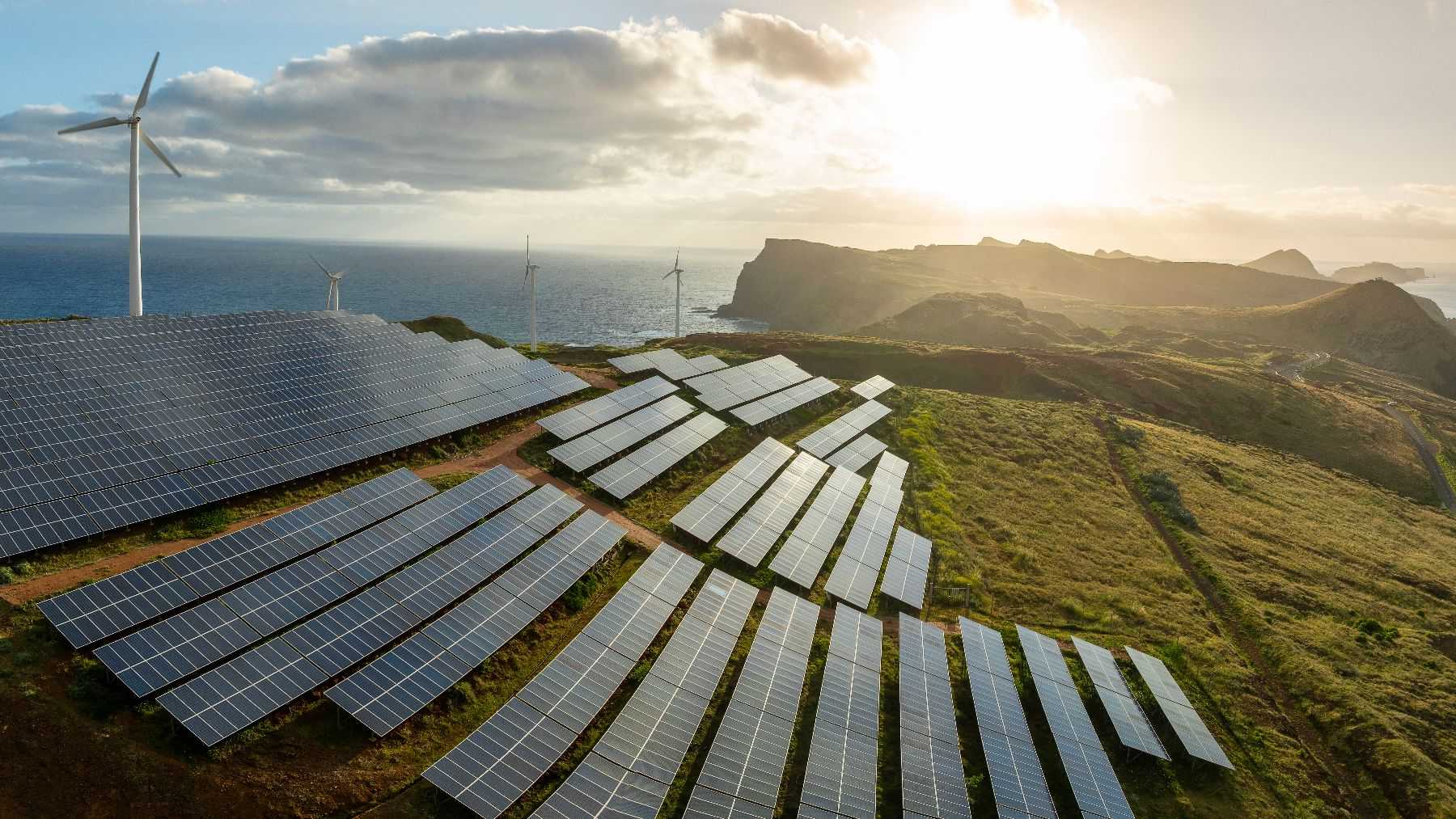
Duke Energy Florida has finished building the Bailey Mill Solar Center near Monticello, in Jefferson County. The facility’s 163,000 solar panels add up to 74.9 megawatts of capacity — enough at peak production to power around 15,000 homes.
The project is projected to save Duke Energy Florida customers $250 million in fuel costs over its service lifetime.
New solar facility enters service in Jefferson County
Bailey Mill is one of five solar sites Duke Energy Florida has completed since the start of 2025 — a pace that signals just how aggressively the company is moving to add generation capacity across the state. The Jefferson County location was chosen near Monticello, and the finished facility now feeds carbon-free electricity into the grid. No combustion, no emissions at the point of generation.
The headline number attached to Bailey Mill is $250 million — the projected fuel cost savings for customers over the facility’s service lifetime.
Those 163,000 panels aren’t just sitting there looking pretty. At peak production, they push 74.9 megawatts onto the grid — enough to cover the electricity needs of roughly 15,000 homes simultaneously.
Why Duke Energy Florida built Bailey Mill
Florida keeps growing, and more people means more electricity. Duke Energy Florida’s service territory has to keep pace with that demand, which means adding generation capacity on a regular basis.
Solar fits that need in a specific way. When the sun is doing its thing, the company doesn’t have to buy as much natural gas or other fuels to run its conventional plants. Fuel costs aren’t absorbed by Duke Energy Florida — they pass straight through to customer bills. Less fuel purchased means lower charges for the company’s 2 million customers, which is precisely the logic driving Duke Energy Florida’s longer-term ambitions: more than 5,500 megawatts of utility-scale solar capacity online by the end of 2033. Bailey Mill is one piece of a much bigger puzzle.
Projected savings and emissions displacement
The headline number attached to Bailey Mill is $250 million — the projected fuel cost savings for customers over the facility’s service lifetime. It’s a forward-looking estimate, but grounded in a simple mechanism: every kilowatt-hour the solar site generates is one that doesn’t require burning something.
Duke Energy Florida gets specific about what that looks like at peak output. The Bailey Mill site is expected to displace 1.2 million cubic feet of natural gas, 15,000 barrels of fuel oil, and 12,000 tons of coal every year. Real volumes, not rounding errors.
The company also offers a broader rule of thumb: for every four solar sites completed, its 2 million customers collectively save an estimated $1 billion in fuel costs over the service lifetimes of those facilities. Bailey Mill counts as one of those four. State president Melissa Seixas put the customer connection plainly: “Every solar site we bring online reduces the amount of fuel we need to purchase,” she said, “and those savings go directly to our customers’ bills.”
Duke Energy Florida’s broader solar expansion plan
Bailey Mill doesn’t stand alone. Duke Energy Florida already owns, operates, and maintains more than 25 solar sites across the state, with a combined capacity of roughly 1,850 megawatts — a solid existing footprint that the company is actively building on.
Before the end of 2028, Duke Energy Florida plans to finish 11 additional solar sites beyond the five already completed in 2025. Managing that construction pipeline while keeping existing operations running is no small task.
The long-term target is substantial: more than 5,500 megawatts of utility-scale solar generating capacity online by the end of 2033. Duke Energy Florida currently owns 12,500 megawatts of total energy capacity across all sources, so if the 2033 goal is met, solar would represent a major share of that total portfolio. The company serves 2 million residential, commercial, and industrial customers across a 13,000-square-mile service area — at that scale, even modest fuel cost reductions spread across millions of bills can add up to serious money over time.
What Bailey Mill means for Jefferson County customers
Bailey Mill Solar Center is now up and running, feeding 74.9 megawatts of carbon-free electricity into the grid from Jefferson County. Its 163,000 panels can power the equivalent of around 15,000 homes at peak output, and the project is projected to deliver $250 million in fuel cost savings to Duke Energy Florida customers over its lifetime.
It’s one of five solar sites the company has completed since 2025, part of a broader strategy that currently includes more than 25 solar sites statewide totaling roughly 1,850 megawatts. Eleven more sites are planned before 2028, with a long-term goal of surpassing 5,500 megawatts of utility-scale solar by end of 2033.
The savings mechanism is straightforward: solar generation cuts fuel purchases, and those fuel costs flow directly to customer bills. For Jefferson County and the surrounding area, Bailey Mill is now a working part of that equation.
Kelly is an experienced writer with 15 years of experience exploring the big stories that shape our world, from tech breakthroughs and space exploration to climate, energy, and the fascinating quirks of science. She has a talent for turning complex ideas into sharp, memorable insights that stay with readers long after they’ve finished reading.
