
This year, a unique natural phenomenon could captivate the world in more than one way.
As history tends to repeat itself, it is about time we start learning from these particular events.
While millions will cast their gaze upward in awe, others will have to prepare for a potential energy disruption.

But will the mapped-out information from a past occurrence help those who may be affected once again in 2026?
How come some in the world could end up standing still for a moment
2026 has officially become the year filled with a wave of nostalgia.
From styles coming back into fashion to cult favorite movies finally getting sequels, it seems history truly does repeat itself.
However, social influences are not the only thing set on repeat this year.
High above our heads, the clockwork of the solar system is preparing a sequel. Get ready for one of the most engaging atmospheric events of the decade.
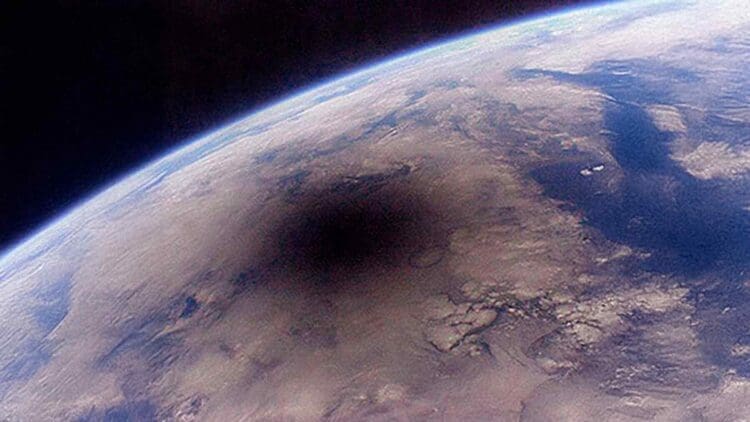
During a brief window in August, some parts of the world will bear witness to a massive sweeping shadow.
Then, for that moment, millions tend to stand still to take it all in.
This historically repeating and captivating natural phenomenon is a solar eclipse.
However, a few years ago, so much more came to a sudden standstill.
Now, experts fear that this distinct historical event will repeat itself, and one nation in particular will be impacted.
A solar event that not many may be keen on repeating itself
Solar power has become central to the green energy transition. In terms of investment, solar energy has eclipsed oil and gas worldwide.
But what happens to the world’s solar energy during a solar eclipse?
In truth, this rare moment of beauty becomes a high-stakes stress test for energy analysts.
In April 2024, a total solar eclipse had an interesting impact on solar capacity. The Energy Information Administration (EIA) confirmed that the 2024 event served as a massive laboratory for grid resilience.
In the U.S., the moon cast a clear shadow path from Texas to Maine. The data from Texas, as a growing leader in solar production, was striking.
As the eclipse peaked, the state experienced a nearly 90% loss in solar energy output. In a matter of minutes, output dropped from 10 GW to 1.3 GW.
Now, in 2026, another nation may have to brace itself for the same fate.
The nation is sitting in the crosshairs of the celestial sequel
The next total solar eclipse is predicted to sweep across the Iberian Peninsula on August 12, 2026.
Spain will primarily be affected by this high-stakes sequel. Cities such as A Coruña, Bilbao, Zaragoza, and Valencia could be brought to a standstill.
Since adding over 5 GW of new solar projects in 2025, Spain officially surpassed 50 GW of solar in 2026. With more than one-third accounting for total installed capacity, the potential celestial sequel of 2024 is troubling.
Bracing for the potential solar energy loss impact
The Spanish total eclipse will begin late afternoon, creating what experts call a “double sunset.” The eclipse will accelerate the sunset, which amplifies the sudden loss of solar energy over a few minutes.
The Spanish grid will have to switch to backup sources to fill the power gap. If not, people can expect:
- Cascading blackouts
- Infrastructure “lockdowns”
- Communication silence
- Difficulty in fully restoring power
2026 may be reviving past wonders, but the upcoming phenomenon is a reminder that nature still holds the ultimate power.
The nostalgia of a shared celestial experience may unite us, but technical reality demands a forward-looking strategy.
By using the 2024 blueprint, grid resilience can be achieved, ensuring the spectacle does not leave us in the dark. The question is, how far are some nations willing to go to ensure complete energy and grid resilience?