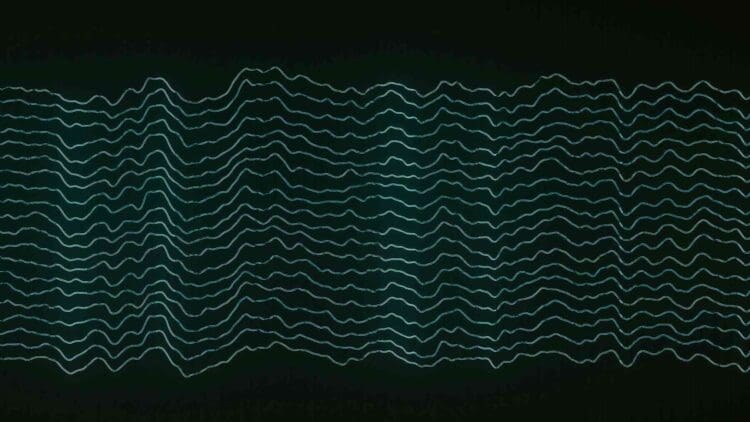

TGS, a global provider of energy data and intelligence, has acquired Apparition Geoservices GmbH — securing exclusive access to a proprietary simultaneous source seismic acquisition and separation technology. The deal is designed to sharpen how TGS captures and processes subsurface data, with the company citing measurable gains in operational efficiency and imaging clarity as its primary rationale.
TGS Acquires Apparition Geoservices
TGS has announced the acquisition of Apparition Geoservices GmbH, a move that grants the company exclusive access to Apparition’s proprietary simultaneous source acquisition and separation technology. The deal positions TGS to build on its existing capabilities in seismic data collection and processing.
The acquisition is intended to complement TGS’s Gemini Enhanced Frequency Source (EFS) technology. Used together, the two systems are expected to drive improvements in seismic operational efficiency, source capacity, and subsurface imaging clarity — a combination TGS describes as central to its integrated technology roadmap.



How Apparition’s Seismic Technology Works
Apparition is a seismic acquisition and processing methodology that allows multiple sound sources to operate simultaneously in a controlled, coordinated way. Its key distinction from conventional approaches lies in how it handles overlapping signals.
Standard simultaneous source methods typically rely on dithering — introducing small, random time delays between sources. Apparition takes a different approach, using precise timing to encode each source distinctly. That makes it considerably easier to separate and process overlapping signals during data analysis, rather than untangling them after the fact.
The result is higher acquisition efficiency and greater source capacity without compromising data quality. Because each source is encoded with precision, the separation process is cleaner and the output more consistent.
Testing Results Show Up to 30% Efficiency Gains
TGS spent the past two years testing Apparition across multiple acquisition configurations and marine environments, working closely with the Apparition team and key clients to validate performance under real-world conditions. One configuration evaluated was a Hexa Source setup, which delivered notable improvements in source efficiency and signal-to-noise ratios.
Across the full testing program, results demonstrated operational efficiency gains of up to 30%. TGS also reported improved low-frequency performance and better visibility of deeper and more structurally complex subsurface targets — both increasingly important as exploration moves into more demanding geological settings.
Expected Benefits for Clients and Survey Economics
Integrating Apparition into TGS acquisition and imaging workflows enables the company to deliver scalable multi-source, multi-component seismic programs across ocean bottom node (OBN) surveys, towed streamer surveys, and Ultra-High Resolution 3D (UHR3D) surveys.
For clients, the practical benefits include improved survey economics, shorter project timelines, and greater confidence in exploration and development decisions. Pre-drill uncertainty carries significant financial stakes in this industry, so reducing both time and cost on seismic programs has direct operational value.
Carel Hooijkaas, Executive Vice President Marine Data Acquisition at TGS, stated that Apparition is central to the company’s multisource and deblending strategy. He noted that combining Apparition with the Gemini technology and TGS’s Ramform fleet would help clients reduce project timelines, manage costs, and make more confident decisions.
Background: Seismic Data Acquisition in Energy Exploration
Seismic acquisition is one of the primary tools used in oil and gas exploration. It works by sending sound waves into the earth and recording how they reflect off different geological layers, producing a detailed map of subsurface structures before any drilling begins. As exploration moves into more complex settings — deeper targets, structurally intricate formations, areas with poor signal clarity — demand for higher-resolution and more efficient data acquisition has grown considerably. Conventional methods can struggle to deliver the clarity required for confident decision-making in these environments.
TGS already operates a global fleet that includes Ramform vessels, purpose-built for large-scale marine seismic surveys. Its Gemini EFS technology was developed to enhance seismic source performance. Apparition extends that capability further.
Seismic Data Collection Is Getting a Boost
The acquisition of Apparition Geoservices gives TGS exclusive control over a simultaneous source technology that demonstrated operational efficiency gains of up to 30% during testing. Combined with the existing Gemini EFS platform and Ramform fleet, TGS now holds an integrated set of tools aimed at improving both the speed and quality of seismic data collection.
For clients, the expected outcomes include lower survey costs, faster project delivery, and clearer subsurface imaging. TGS has framed the deal as a strategic step in its broader technology roadmap, with multisource acquisition and deblending at its core.
Kelly is an experienced writer with 15 years of experience exploring the big stories that shape our world, from tech breakthroughs and space exploration to climate, energy, and the fascinating quirks of science. She has a talent for turning complex ideas into sharp, memorable insights that stay with readers long after they’ve finished reading.