
Tigo Energy partners with Google Cloud to bring Gemini AI to solar installer and utility operations
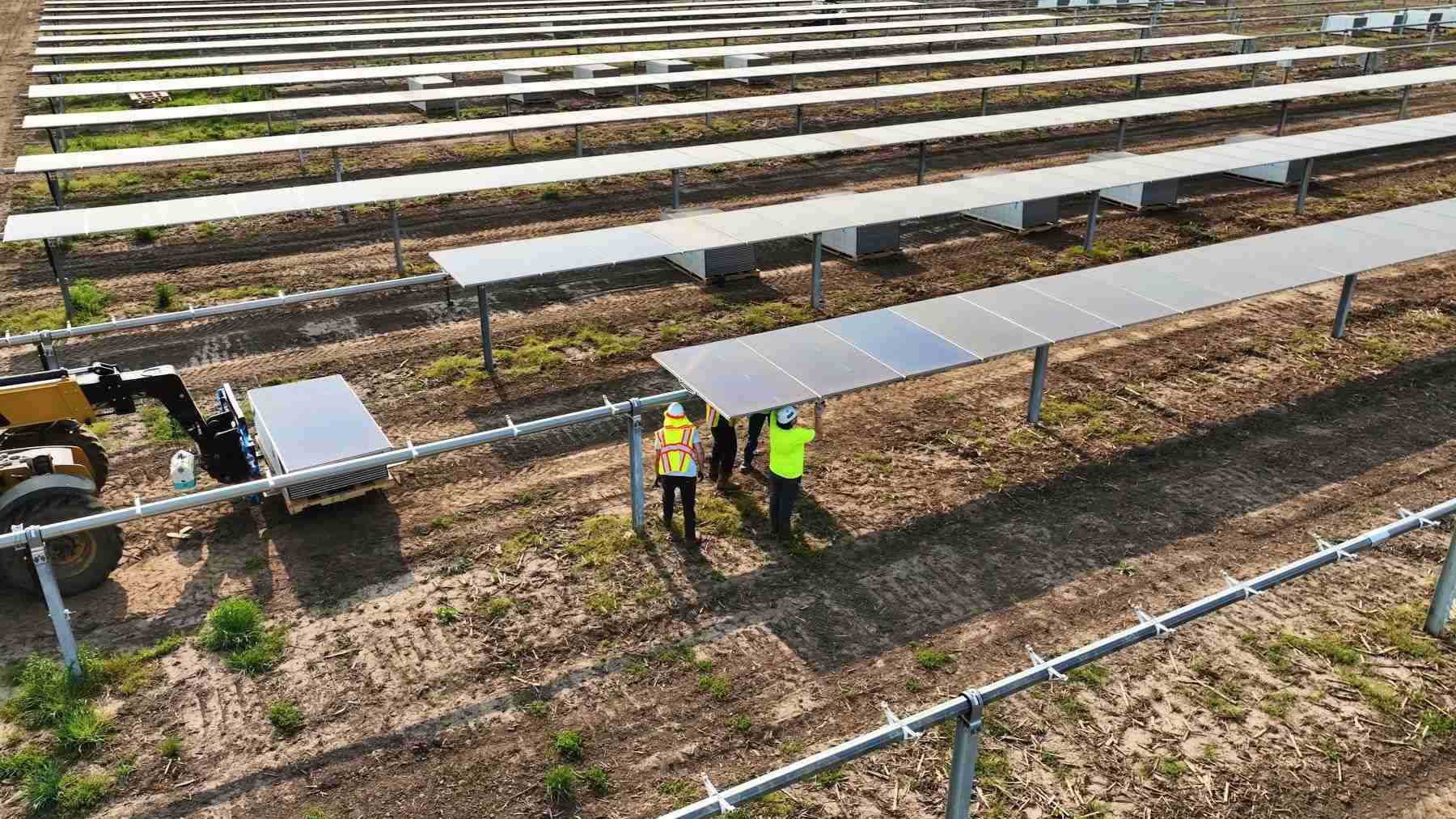
On November 12, 2026, Tigo Energy (NASDAQ: TYGO) and Google Cloud announced a collaboration to build AI-assisted operational workflows for solar installers and distributed energy portfolio operators. The partnership integrates Tigo’s software platform with Google’s Gemini models hosted on Google Cloud — a move aimed at helping energy businesses manage growing fleets of distributed solar and storage systems more efficiently.
What was announced
The collaboration was announced from Los Gatos, California, and centers on making Tigo’s core data and software products available through Google Cloud. From there, those products will connect with Google’s Gemini AI models to build workflows designed for solar installers, asset managers, and energy operators.
There’s already a public debut on the calendar. Tigo will preview the Google Cloud-enabled solution at RE+ 2026, the solar and energy storage trade show running November 17–20 in Las Vegas. Demonstrations at Booth C4413 will show how AI-assisted workflows can help operators spot critical issues, surface priorities, and cut the manual steps between detecting a problem and actually fixing it.
That broad footprint across the solar value chain gives Tigo a large base of real-world system data — which is what makes AI-assisted analysis meaningful at scale.
Why the companies are pursuing this collaboration
The motivation isn’t hard to find. Solar and storage portfolios are growing fast, and the businesses managing them are now responsible for more sites, more system data, and more customer interactions — without a proportional increase in staff or resources.
That imbalance creates real pressure. Operators need to triage system issues, prioritize responses, and handle routine tasks across large fleets of distributed energy systems. Doing that manually doesn’t scale.
Archie Roboostoff, Tigo’s vice president of software, put it plainly: any company managing solar systems post-installation faces a growing data and management burden, and “software enabled by AI is the only way to effectively manage either.” His framing positions AI not as a nice-to-have, but as the only viable path forward for portfolio-scale solar operations. The goal, as Roboostoff described it, is helping customers spend less time chasing operational issues and more time growing their businesses and managing energy assets.
How the technology is expected to work
On the technical side, the collaboration will deploy scalable, multi-tenant cloud architectures designed to power automated grid diagnostics, cost optimization, and autonomous AI agents — a meaningful architectural shift from software that surfaces information to software that can act on it.
Tigo’s existing products are the foundation. Predict+ and the Energy Intelligence Platform already centralize diverse data streams to surface system issues and support troubleshooting. With Gemini integration, those tools are expected to go further: autonomously detecting anomalies, predicting issues before they occur, and optimizing system performance in real time.
Raiford Smith, global market lead for Power & Energy at Google Cloud, described the ambition directly: the collaboration aims to give customers “intelligent agents that don’t just monitor their energy systems, but autonomously detect anomalies, predict issues before they arise, and take action to optimize performance in real time.”
The workflows span two distinct operational domains. For asset operations — including operations and maintenance for solar installers — the technology is designed to provide greater visibility into system health across distributed portfolios. For power operations, the tools will support energy forecasting and market intelligence, helping operators balance electricity supply, demand, renewable generation, and shifting market conditions.
Context: Tigo Energy’s existing software capabilities
Tigo isn’t starting from scratch. Founded in 2007 and listed on Nasdaq under the ticker TYGO, the company has spent nearly two decades building hardware and software for residential, commercial, and utility-scale solar systems.
Its Energy Intelligence Platform already does substantial work — centralizing data from across solar, storage, and power operations to surface system issues, support troubleshooting, prioritize actions across customer portfolios, and streamline routine customer interactions. The platform also supports energy arbitrage and assurance, capabilities that sit closer to the utility and asset management end of the market.
On the hardware side, Tigo manufactures module-level power electronics (MLPE) and solar optimizers, which maximize performance and enable rapid shutdown at the module level. The company also makes inverters and battery storage systems for the residential solar-plus-storage market. That broad footprint across the solar value chain gives Tigo a large base of real-world system data — which is what makes AI-assisted analysis meaningful at scale. Roboostoff acknowledged the scope of what that data represents, noting that AI agents can “perform a level of data analysis that humans would be hard-pressed to match, if they could do it at all.”
What this partnership means in practice
Taken together, the Tigo Energy–Google Cloud collaboration reflects a broader shift happening across the energy sector: the move from monitoring tools to tools that can act. For solar installers managing dozens or hundreds of systems — and for utilities overseeing distributed energy portfolios — the gap between detecting a problem and resolving it is where time and money get lost.
The partnership brings together Tigo’s domain-specific software and operational data with Google Cloud’s infrastructure and Gemini’s AI capabilities. That combination is aimed at reducing manual intervention, speeding up response times, and giving operators better visibility into their fleets. Whether the real-world results match the ambition will become clearer as the solution moves from trade show preview toward broader deployment.

Kelly is an experienced writer with 15 years of experience exploring the big stories that shape our world, from tech breakthroughs and space exploration to climate, energy, and the fascinating quirks of science. She has a talent for turning complex ideas into sharp, memorable insights that stay with readers long after they’ve finished reading.
