
Hitachi Energy partners with Samsung C&T to scale grid solutions supporting solar power integration
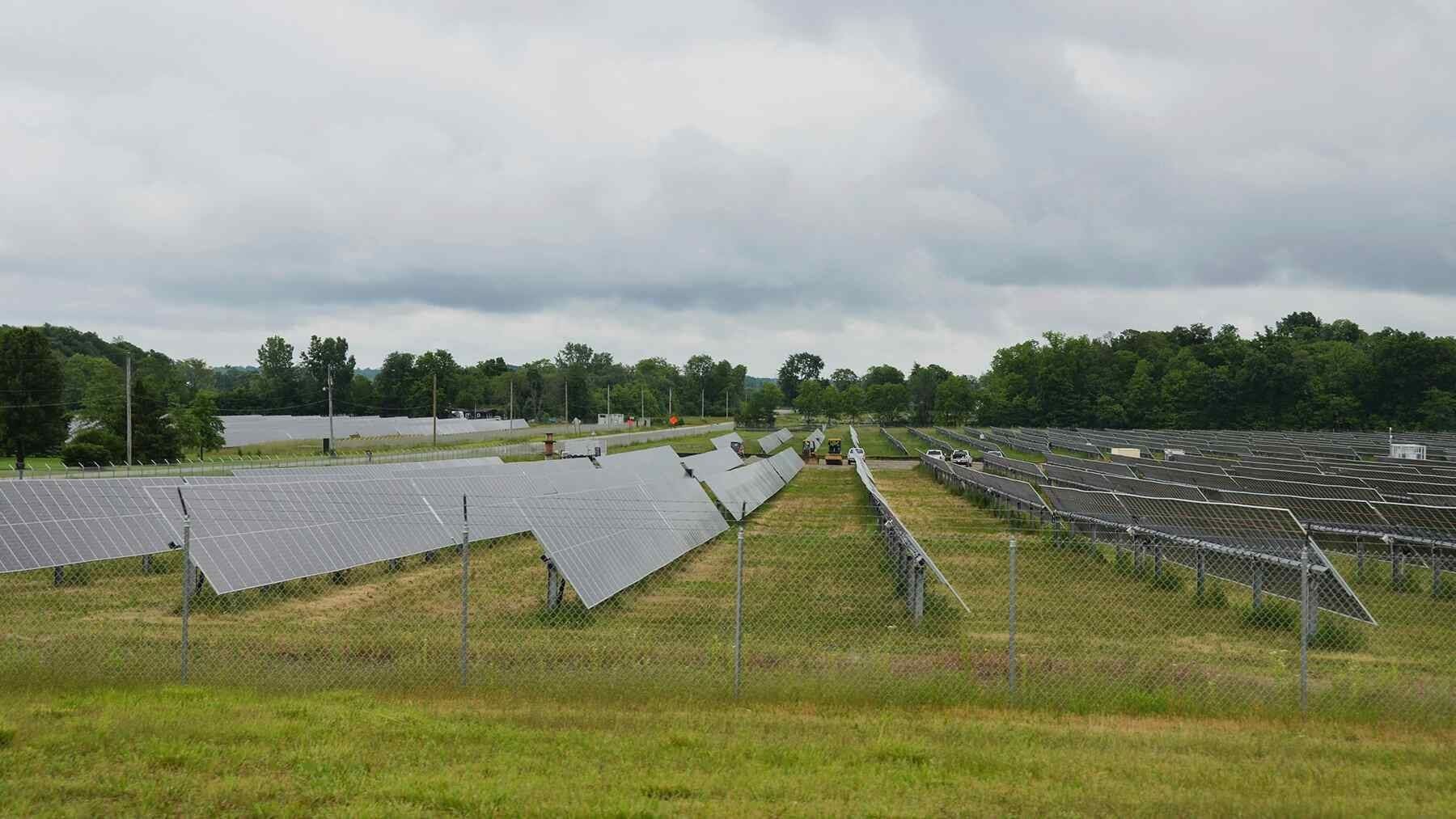
There is great excitement in the energy industry because developers are finding more creative ways to establish facilities. The incorporation of technological innovation into the industry opens up the possibility of companies executing ambitious initiatives that would not have been feasible in the past. The Asian continent is renowned for its solar energy generation because China is the country with the most installed solar energy capacity in the entire world. As such, there is an abundance of companies that are open to investing millions of dollars to pursue projects. Among those is Hitachi Energy, which has partnered with Samsung C&T to scale grid solutions supporting solar power integration.
Joint venture expected to elevate the solar energy landscape in Asia
Hitachi is a Japanese multinational conglomerate headquartered in Tokyo and founded in 1910. It originally started off as a repair shop but grew to become a global leader in digital innovation, social infrastructure, and sustainable solutions. The company’s longevity has been ensured by its willingness to evolve and adapt to the contemporary methods of energy generation.
On the other hand, Samsung C&T is diversifying from traditional construction into a major player in eco-friendly energy, focusing on solar, wind, and hydrogen while also advancing battery energy storage (BESS).
The clean energy transition that is going on globally is a huge positive, but it consists of various hurdles, with intermittency being one of the most notable ones.
While this might seem like an unlikely collaboration, Hitachi Energy and Samsung C&T have announced an expanded strategic partnership aimed at accelerating global grid infrastructure with the ability to support large-scale solar power integration. The agreement represents the ever-growing urgency to modernize electricity networks as renewable energy adoption increases worldwide.
A general overview of Hitachi and Samsung C&T’s collaborative project
Companies usually collaborate on an initiative because they are unwilling to take risks associated with the project on their own. By combining advanced grid technologies with engineering and construction expertise, Hitachi and Samsung aim to provide more flexible and resilient power systems.
There are already great expectations for the collaboration to play a key role in fostering cleaner energy transitions while strengthening energy security. At the heart of the partnership is a new Memorandum of Understanding (MoU) focused on developing high-voltage alternating current (HVAC) grid infrastructure.
This is an intricate technology that is increasingly becoming essential for stabilizing power systems and integrating variable renewable sources such as solar energy into national grids. The clean energy transition that is going on globally is a huge positive, but it consists of various hurdles, with intermittency being one of the most notable ones.
As solar energy is on an upward trajectory, electricity networks need to manage fluctuations in generation caused by changing weather conditions.
Breaking down the incorporation of technological innovation in the energy sector
Hitachi Energy is a veteran of the energy industry and is bringing great expertise in grid technologies, digital solutions, and power system design. Samsung C&T, on the other hand, brings large-scale engineering, procurement, and construction (EPC) capabilities. Collectively, the companies aim to deliver integrated solutions that enhance grid reliability and allow higher generation of solar power.
Interestingly, this is not the first time that the entities are coming together, as the partnership is building on an earlier collaboration focused on high-voltage direct current (HVDC) systems that are usually used for long-distance electricity transmission. In the new agreement, there has been an expansion to include HVAC technologies.
Looking ahead: Could the joint venture transform future solar energy initiatives
The combination of HVDC and HVAC technologies creates a more understandable approach to grid modernization, which other companies may learn from and adopt. HVDC systems are suitable for transporting large amounts of electricity over long distances, including from remote solar farms.
The integration of both technologies may allow the companies to address complex energy obstacles, such as cross-border electricity flows and the growing demand for power from industries.
Ultimately, the partnership positions both companies to gain from the rapidly growing global market for grid modernization. One such market is Europe, which is experiencing an increase in electricity demand.
Prince is a versatile writer focused on energy, automotive, environmental, and general news topics. He makes complex technical and policy issues clear, engaging, and accessible for a broad audience.
