
Westinghouse puts $1 billion behind a new South Carolina nuclear fuel factory
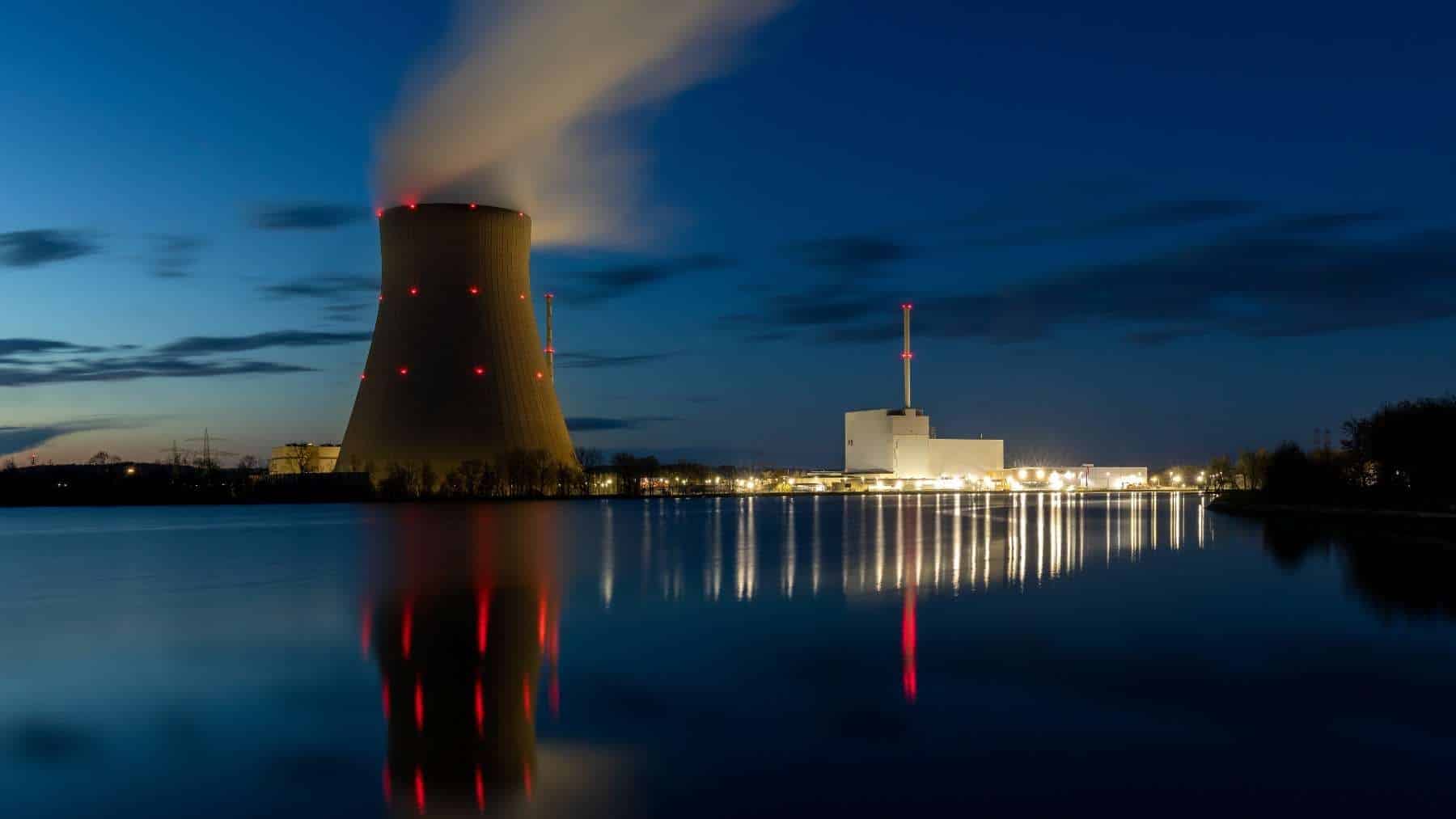
The United States is in an advantageous position because not only does the government recognize the importance of maintaining dominance in the nuclear sector, but so do private companies that are investing tremendous amounts of money to execute groundbreaking projects. Nuclear is important both for electricity and security reasons, which is why the U.S. has always made sure not to instill too many hurdles for companies that are pursuing nuclear projects. Among the standout companies in the sector is Westinghouse, which has continued demonstrating its commitment by putting $1 billion behind a new South Carolina nuclear fuel factory.
Assessing the overall importance of the nuclear sector to South Carolina
The United States has shown an intention to diversify the energy portfolio of every state in order to ensure that there is consistent electricity availability throughout the year, but there are still certain regions that are known as hubs for a specific energy source. Nuclear energy supplies over 50% of South Carolina’s electricity, making the state a top-ranked national leader in nuclear power generation and workforce training.
Among the companies that have assisted in improving the region’s nuclear sector is Westinghouse Electric Company, which invested an estimated $1 billion to build an advanced Low Enriched Uranium Plus (LEU+) fuel factory at the Columbia Fuel Fabrication Facility in Richland County, targeted to launch around 2030.
Nowadays, energy companies have eliminated the idea of being competitive after realizing that the overall target is to allow nations to meet clean energy targets.
According to reports, the Department of Energy has allocated $450 million for SMR engineering and licensing at SRS. At the same time, the University of South Carolina currently leads research on molten salt reactor roadmaps.
Solidifying its presence: Westinghouse puts $1 billion behind a new South Carolina facility
After being involved in a number of successful projects in South Carolina, a press release from Westinghouse Electric Company announced that the company has invested an enormous amount of $1 billion to construct one of the most advanced nuclear fuel factories in the United States at its Columbia Fuel Fabrication Facility in Hopkins, S.C.
The plant, which is the first fleet-scale nuclear fuel factory built in the United States in more than 50 years, is expected to lead the way in commercial-scale Low Enriched Uranium Plus (LEU+) fuel production. The willingness of companies to invest such massive amounts of money in projects is a reflection of how much profit they can generate in the future courtesy of the ever-increasing electricity demand.
Construction on the new LEU+ Fuel factory is underway and on track to start operations in 2030. LEU+ Fuel manufacturing at Columbia is expected to allow the effective long-term operation of today’s nuclear fleet and support the industrialization of AP1000 reactors worldwide.
The nuclear sector is highly influenced by technological innovation and scientific expertise, which means the companies leaning on these two components are likely to become powerhouses of nuclear projects. Consistent with the United States’ UPRISE program, LEU+ Fuel is expected to unlock advanced operating plant uprates that would provide near-term expansion of nuclear power output in the U.S. and meet growing demand for baseload nuclear power.
Westinghouse seeks to create a blueprint that other companies can follow
Nowadays, energy companies have eliminated the idea of being competitive after realizing that the overall target is to allow nations to meet clean energy targets. As such, they are now following each other’s strategies, which is why Westinghouse could be creating a blueprint that other entities will be following in the near future.
Looking ahead: How can the nuclear sector continue to transform in 2027?
LEU+ Fuel, which has a higher level of uranium enrichment (5% to 8%), also offers the flexibility to extend operating cycles, helping nuclear power plant operators lower operating costs and deliver greater value to their customers. In 2025, the first successful deployment of LEU+ Fuel in the United States marked a major milestone.
South Carolina is already leading the United States’ nuclear renaissance, producing the nuclear fuel that powers an estimated 10% of the U.S. from Westinghouse’s fuel operations in Richland County.

Prince is a versatile writer focused on energy, automotive, environmental, and general news topics. He makes complex technical and policy issues clear, engaging, and accessible for a broad audience.
