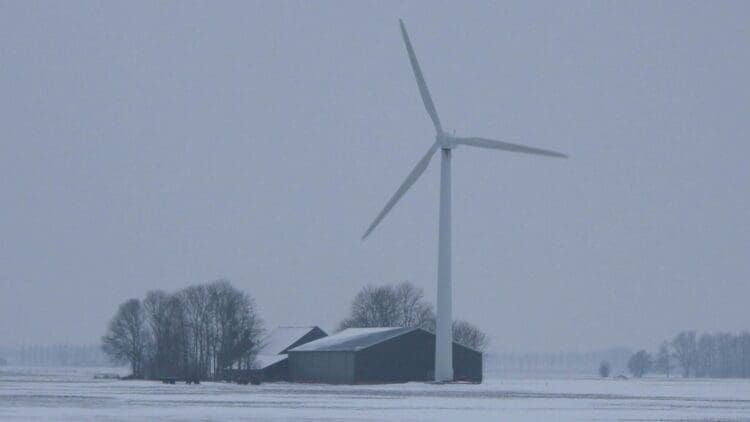

It is easy to promise the world unlimited clean power with renewable technologies, but there are untold tales of what happens to these technologies during extreme weather events. Some of the tales may be unbelievable, but they are true. For example, wind turbines can freeze in extreme cold and stop producing power altogether. What’s even more incredible is that they switch to a bizarre mode when the temperatures drop. Discover more about this phenomenon below.
Unlimited clean power, until the temperatures drop
When temperatures plummet, the cost of electricity tends to skyrocket. This is why renewable technologies such as solar panels and wind turbines are increasingly vital during the winter months, regardless of where in the world one may live. Not only do they offer individuals energy independence at their respective homesteads, but large-scale installations decrease the strain on power grids.
As a result, consumers may experience significant savings on their utility bills, both from small-scale and large-scale installations. However, some technologies only promise unlimited clean power until the temperatures drop significantly. Under extreme cold conditions, wind turbines can freeze and stop producing power. The impact of these extreme conditions has a snowball effect, including a bizarre mode.


Wind turbines can freeze in extreme cold
We may not all experience equally freezing winters each year, but on occasion, some places may be struck with unexpected cold fronts and even frost. If unprepared, these sudden extreme weather events may have dire effects. One of the most unknown effects of extreme cold weather on wind turbines is freezing, or more specifically, “icing.”
What is icing?
When temperatures plummet to -2°C (28°CF) or lower, “supercooled droplets” remain in the air. When these droplets attach to a surface or particle, called a nucleation site, they freeze. Thus, when these droplets attach to turbine blades in these low temperatures, they freeze or cause icing on the blades.
While some countries, such as Japan, are actively researching ways to produce energy from snow, others may not realise that existing technologies, such as turbines, stop producing power when icing occurs. Furthermore, these turbines switch to a bizarre mode, which causes nothing but trouble.
They stop producing power and switch to a bizarre mode
Icing on wind turbine blades has dire effects, as the added weight impacts the blades’ aerodynamics. The rotor experiences increased tension, resulting in decreased output. Should wind speed increase, the blades may even start to bend due to the added weight. In such a case, the icing can break off, endangering anything and anyone in proximity. Additionally, turbines can:
- Become damaged, or
- Completely break down
Another unknown fact is that icing events are typically accompanied by lightning. Now, during icing, the turbines switch to a bizarre mode where the blades generate unpredictable current sequences. According to WeRover, lightning can then bypass the turbine protection systems, resulting in significant internal damage:
- Adhesives
- Blade components
- Laminates
As all of this occurs internally, the damage remains unseen for extended periods, worsening as time ticks by. Sudden power failures then become inevitable, which result in a snowball effect, causing:
- Urgent and lengthy maintenance
- Increased turbine downtime
- Annual power production loss
- Power shortages
- Increased imbalance prices
In conclusion, understanding the unique phenomenon of icing and its dire effects it may have on wind turbines, especially in combination with lightning, is vital. This will encourage regular internal inspection and adequate and timely maintenance of internal components during extreme cold weather events. Seeing as January is historically known to be the snowiest month in the U.S., this information may be extremely helpful in ensuring continued clean power and cost savings. Even small turbines, such as the Hercules 4 kW turbine for home use, could be affected.