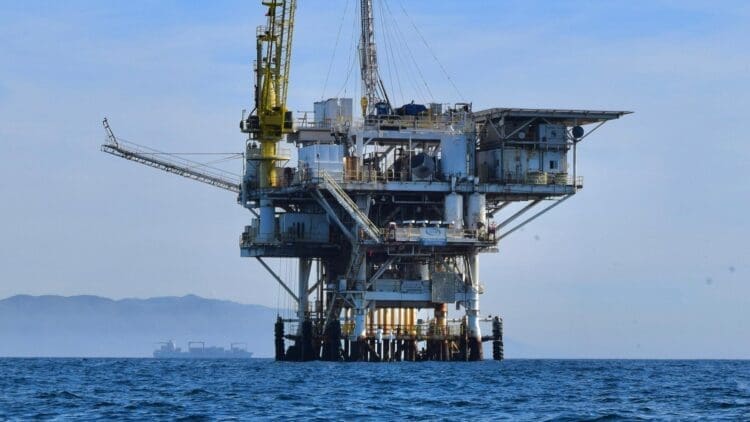

Beacon Offshore Energy, a Houston-based company focused on the US Gulf region, has brought the Zephyrus oil project online, producing first oil flow towards the end of last year. Beacon is the latest firm to benefit from the rapid expansion of the United States oil and gas sector, driven by the expansionary ambitions of the current administration. The US Gulf has become one of the most profitable oil and gas production regions anywhere in the world.
Trump’s push to expand the US oil and gas sector is producing results
The inevitable expansion of the US oil and gas sector, driven by Donald Trump, is producing dominating results for the nation as it aims to become the powerhouse of the global energy industry with input across nearly all energy generation sectors.
The United States has become the top global producer of gas in recent months and is aiming to lead a new era of oil production thanks to the substantial efforts of the Trump administration. Venezuela has opened new doors to the US, drastically increasing the oil output capacity of the myriad of US firms that have expressed interest in rebuilding the South American nation’s oil and gas infrastructure.

Beacon Offshore Energy has brought a significant oil field in the Gulf online
The Zephyrus oil and gas field has been patiently waiting for Beacon Offshore Energy to finally discover the potential that the latest field in the Gulf region has in store. Located 130 miles southeast of “The Big Easy” in water depths ranging from approximately 3,100′ to 3,600′, the Zephyrus field is the latest Miocene-aged development in Mississippi.
Beacon is leveraging the substantial expertise of its partners to bring the Zephyrus field to life
Zephyrus 1, the initial discovery well in the block, was drilled in 2023 and almost immediately encountered oil in the Middle Miocene Cris “I” aged M2 sand. The company, along with its litany of partners, worked with Shell to tie back the Zephyrus field to the existing West Boreas subsea infrastructure operated by the Dutch energy major.
Production of the oil discovered in Zephyrus was processed at the Shell-operated Olympus platform in the Mars Corridor. The significant nine-nile tieback was specifically designed to lower development costs, reduce emissions, and dramatically shorten the timeframe for expected first oil to flow.
Notably, Beacon Offshore Energy is leaning on the significant expertise and experience of its partners, including:
- Houston Energy
- HEQ II
- Red Willow Offshore
- Westlawn Americas Offshore
- Murphy Exploration & Production
The global energy industry is faced with the continuing safety and security concerns across the market
With the latest attacks on several oil tankers in the Black Sea, energy-rich nations such as Kazakhstan have called for stronger safeguards on the international stage. The rapid expansion of the US energy sector through the efforts of the Trump administration has created a volatile energy industry that requires a pragmatic approach to develop projects.
Beacon is hoping to secure the support of the federal government, as it has now drilled a second well in the Zephyrus field. Will the Trump administration provide the company with accelerated approval and enable the oil produced offshore in the Gulf to boost the US output capacity?
Is there anything that could slow down the rapid expansion of the US energy sector
While domestic production efforts in the Gulf become a major point of focus for energy companies such as Beacon, other energy majors in the US are exploring a more international oil and gas expansion plan. Chevron has stated that it has signed off on the expansion of the Leviathan gas field offshore in Israel, setting the stage for the United States to grow its international oil and gas portfolio.