
Sallyport acquires stake in Louisiana pipeline erosion remediation firm Submar as its third flagship fund platform investment
 AI-made
Sallyport, a lower middle-market private equity firm with an operational focus, has announced an investment in Submar, LLC, a Louisiana-based pipeline erosion remediation company. The deal marks Sallyport’s third platform investment through its flagship vehicle, Sallyport Partners Fund, LP.
Sallyport invests in Submar as third platform deal
Submar isn’t new to the pipeline services world. The Louisiana-based company has been delivering erosion remediation solutions for more than four decades — a track record that caught Sallyport’s attention as it builds out its flagship fund portfolio.
The deal adds Submar to Sallyport Partners Fund, LP, as its third platform investment. For a lower middle-market firm with an operational focus, that’s a deliberate pace—each platform company represents a core bet, not a peripheral add-on.
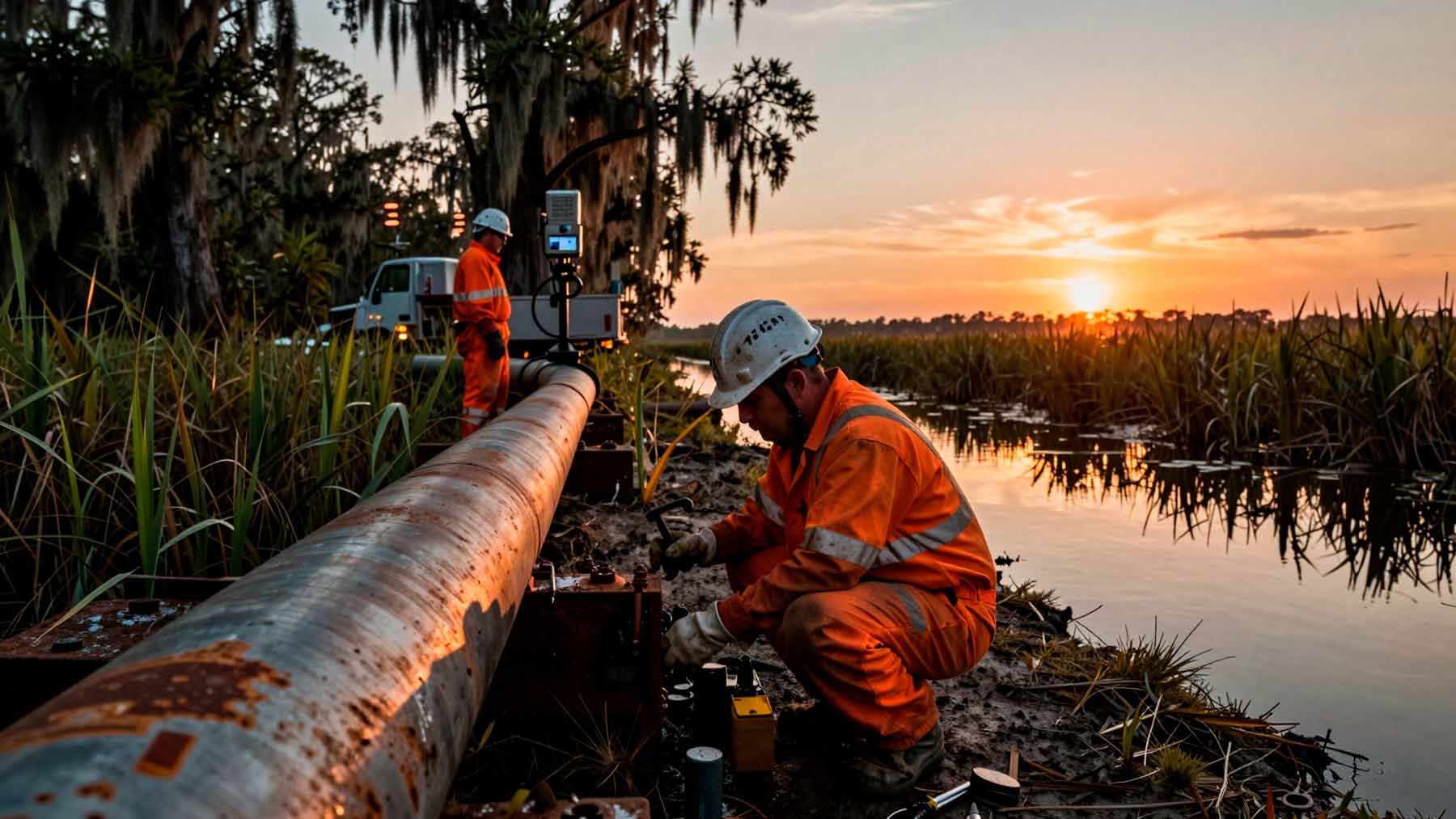
Erosion is a persistent problem for buried pipeline infrastructure, particularly in areas with shifting soils, waterway crossings, or weather-driven land movement.
Submar’s existing leadership isn’t going anywhere. President Joseph Fournet—described as a seasoned operator with deep technical and operational expertise—will keep leading the company. That kind of continuity is usually a signal in PE deals that the acquirer is backing the business as-is, not planning a wholesale overhaul.
Industry tailwinds cited as rationale for the investment
Sallyport Managing Partner Kyle Bethancourt was direct about why the firm moved on this deal. He pointed to aging pipeline infrastructure, increased regulatory scrutiny of pipeline integrity, rising natural gas demand, and expanding LNG export capacity as converging forces behind the decision.
Natural gas consumption is climbing on two fronts simultaneously. LNG export capacity is expanding, and utilities are building out gas-fired power generation to meet electricity demand. More gas moving through more pipelines means more wear, more risk, and more need for remediation services.
Regulatory pressure adds another layer. As oversight of pipeline integrity tightens, operators face greater accountability for the condition of their assets—creating demand for exactly the kind of services Submar provides. The company’s blue-chip customer base reinforces the investment case: a nationwide network of energy and infrastructure operators, relationships built over decades that tend to be recurring rather than transactional. That’s the kind of durable revenue profile PE firms find attractive.
Investment expected to accelerate Submar’s growth and capabilities
Ryan Howard, Sallyport’s other managing partner, was straightforward about the opportunity. “With Sallyport’s operational expertise, industry relationships, and strategic support, we see meaningful opportunities to accelerate growth,” he said.
What that looks like in practice isn’t fully spelled out, but the direction is clear. Sallyport brings midstream sector relationships and operational know-how—resources a specialized remediation company with 40-plus years of history might not have had easy access to as a standalone business.
For Fournet and his team, the partnership is more of a next chapter than a change in direction. “Our customers and business partners will continue to receive the same exceptional level of service, safety, and attention to detail that has built Submar’s reputation,” he said. In infrastructure services, reputation travels fast — and so does the damage from disrupting what’s working. Submar’s plan is to expand capabilities without compromising the relationships that got it here.
Background: Submar’s services and Sallyport’s track record
Submar’s core offering centers on articulated concrete mat systems — engineered solutions designed to stabilize and protect pipelines from erosion. The company also provides turnkey remediation services and deploys specialized equipment to execute those projects, with a primary focus on onshore pipeline remediation and offshore deployment capabilities as well.
Erosion is a persistent problem for buried pipeline infrastructure, particularly in areas with shifting soils, waterway crossings, or weather-driven land movement. Engineered mat systems are a proven response, and Submar has been refining its approach to deploying them for more than 40 years. That depth of experience positions the company across a wide range of project types and environments.
Sallyport’s prior investments include T.D. Williamson, Navitas, and the Remote Operations Center — all names with relevance in pipeline and energy infrastructure circles. The midstream sector isn’t new territory for the firm. It’s adding a business that fits a pattern it already knows well, rather than learning the space from scratch.
Maintaining a commitment to customers and partners
Here’s what this deal amounts to in plain terms. Sallyport has made its third platform investment through Sallyport Partners Fund, LP, backing a Louisiana-based pipeline erosion remediation company with over 40 years of operating history. The investment is driven by a convergence of aging infrastructure, tightening pipeline regulations, and growing natural gas demand tied to LNG exports and power generation.
Submar keeps its existing management team in place, with President Joseph Fournet continuing to lead day-to-day operations. The company plans to expand its capabilities while maintaining its commitment to current customers and partners. Those two goals aren’t in tension here—at least, not by design.
Sallyport brings midstream sector relationships and operational experience from prior investments, resources that could support Submar’s next phase of growth without requiring a fundamental change to what the company does or how it does it.
If you’re tracking private equity activity in pipeline infrastructure services, this deal sends a clear signal: the remediation segment is attracting capital, and the firms moving into it are pointing to structural demand drivers that aren’t likely to ease anytime soon.
Kelly is an experienced writer with 15 years of experience exploring the big stories that shape our world, from tech breakthroughs and space exploration to climate, energy, and the fascinating quirks of science. She has a talent for turning complex ideas into sharp, memorable insights that stay with readers long after they’ve finished reading.
