
Energia Costa Azul ships first LNG cargo, tripling Mexico’s liquefied natural gas export capacity
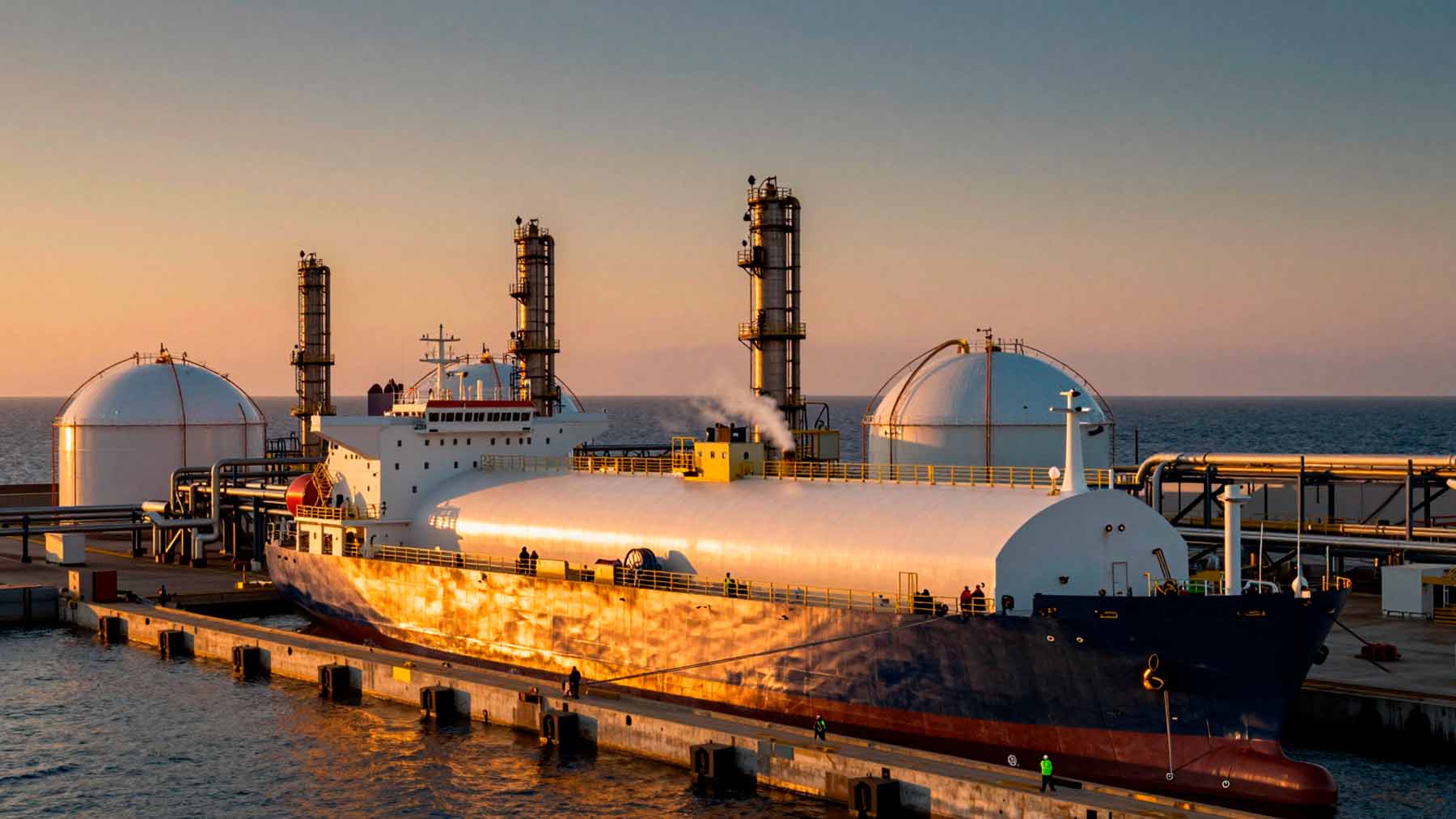 AI-made
Mexico’s second LNG export terminal shipped its first cargo on July 8, according to the project developer. The milestone from Energia Costa Azul Phase 1 adds 0.4 billion cubic feet per day of nominal export capacity from a single train — tripling Mexico’s total LNG export capacity in one move.
First cargo shipped from Energia Costa Azul Phase 1
Energia Costa Azul Phase 1 runs on a single liquefaction train rated at 0.4 Bcf/d of nominal export capacity. Before that July 8 shipment, Mexico had just one operating LNG export terminal. Adding 0.4 Bcf/d to the existing base means the country’s total export capacity has now tripled—a significant leap from a single project’s first operational milestone.
That first cargo also marks something of a turning point. The terminal moves from construction and commissioning into active commercial operation, and for Mexico, it signals a growing role in global LNG trade—not merely as a corridor for U.S. gas moving through, but as an exporter in its own right.
Large LNG projects typically require secured long-term offtake contracts, financing, and regulatory approvals before breaking ground, a process that can take years.
U.S. gas supply and DOE regulatory approvals drive the project
Energia Costa Azul doesn’t run on Mexican gas. The facility draws its supply from the United States, which places it under U.S. Department of Energy jurisdiction and means U.S. export authorization is required before any LNG leaves the terminal.
The DOE has granted two separate authorizations for the project—0.50 Bcf/d of exports to countries with a free trade agreement with the U.S., and 0.44 Bcf/d to non-FTA countries. The non-FTA figure is slightly lower, which is typical: non-FTA approvals face a higher regulatory bar under U.S. law.
This setup reflects how integrated the North American energy market has become. A terminal on Mexico’s Pacific Coast, exporting LNG to Asia, still depends on U.S. regulatory sign-off because the gas feeding it originates north of the border.
Pacific Coast location expands North American export reach toward Asia
Geography matters a lot in LNG shipping. Most North American export capacity sits on the Gulf Coast, so tankers heading to Asian buyers must travel around South America or through the Panama Canal—routes that add both time and cost.
Energia Costa Azul changes that equation. Located on Mexico’s Baja California coast, the terminal faces the Pacific directly. Ships loading there can head straight toward Japan, South Korea, China, or other Asian importers without navigating a canal or rounding a continent. It’s a meaningful logistical advantage.
It’s the first LNG export terminal in Mexico on the Pacific Coast and only the second in all of North America, following LNG Canada, which started exports from British Columbia. Together, the two facilities bring North American Pacific Coast LNG export capacity to 2.2 Bcf/d, a real alternative to Gulf Coast supply for Asian buyers looking to diversify. The Pacific positioning could also make Energia Costa Azul competitive when negotiating long-term supply deals with Asian utilities and trading companies, though the commercial terms of any such agreements haven’t been publicly detailed.
Sempra proposes Phase 2 to further expand capacity
The developer behind Energia Costa Azul is Sempra, the San Diego-based energy infrastructure company. With Phase 1 now shipping its first cargo, Sempra has already put forward a proposal for a second phase at the same site.
Phase 2 is a substantially larger undertaking—two large-scale liquefaction trains that would together add 1.6 Bcf/d of nominal export capacity, four times what Phase 1 delivers on its own.
It’s worth being clear about where Phase 2 stands: it’s a proposal. No final investment decision has been confirmed, and construction hasn’t started. Large LNG projects typically require secured long-term offtake contracts, financing, and regulatory approvals before breaking ground, a process that can take years. If Phase 2 does move forward, the combined capacity of both phases would place Energia Costa Azul among the larger LNG export facilities in North America—representing a meaningful shift in the region’s export landscape, with Mexico playing a far bigger role than it does today.
The first terminal of its kind in Mexico
Energia Costa Azul Phase 1 shipped its first LNG cargo on July 8, marking the commercial launch of Mexico’s second LNG export terminal. The single-train facility adds 0.4 Bcf/d of nominal capacity, tripling Mexico’s total LNG export capacity in one step.
Because the terminal uses U.S.-sourced natural gas, it operates under DOE export authorizations — 0.50 Bcf/d for FTA countries and 0.44 Bcf/d for non-FTA countries. Its Pacific Coast location makes it the first such terminal in Mexico and only the second in North America after LNG Canada, pushing regional Pacific export capacity to 2.2 Bcf/d and opening shorter shipping lanes to Asian buyers, according to the U.S. Energy Information Administration.
Developer Sempra has proposed a Phase 2 expansion that would add 1.6 Bcf/d through two additional trains. That project remains a proposal without a confirmed construction timeline. If it proceeds, Energia Costa Azul would become one of the largest LNG export hubs on the continent.
Kelly is an experienced writer with 15 years of experience exploring the big stories that shape our world, from tech breakthroughs and space exploration to climate, energy, and the fascinating quirks of science. She has a talent for turning complex ideas into sharp, memorable insights that stay with readers long after they’ve finished reading.
