
Duke Energy leverages energy storage tax incentives to keep Florida electricity rates from rising
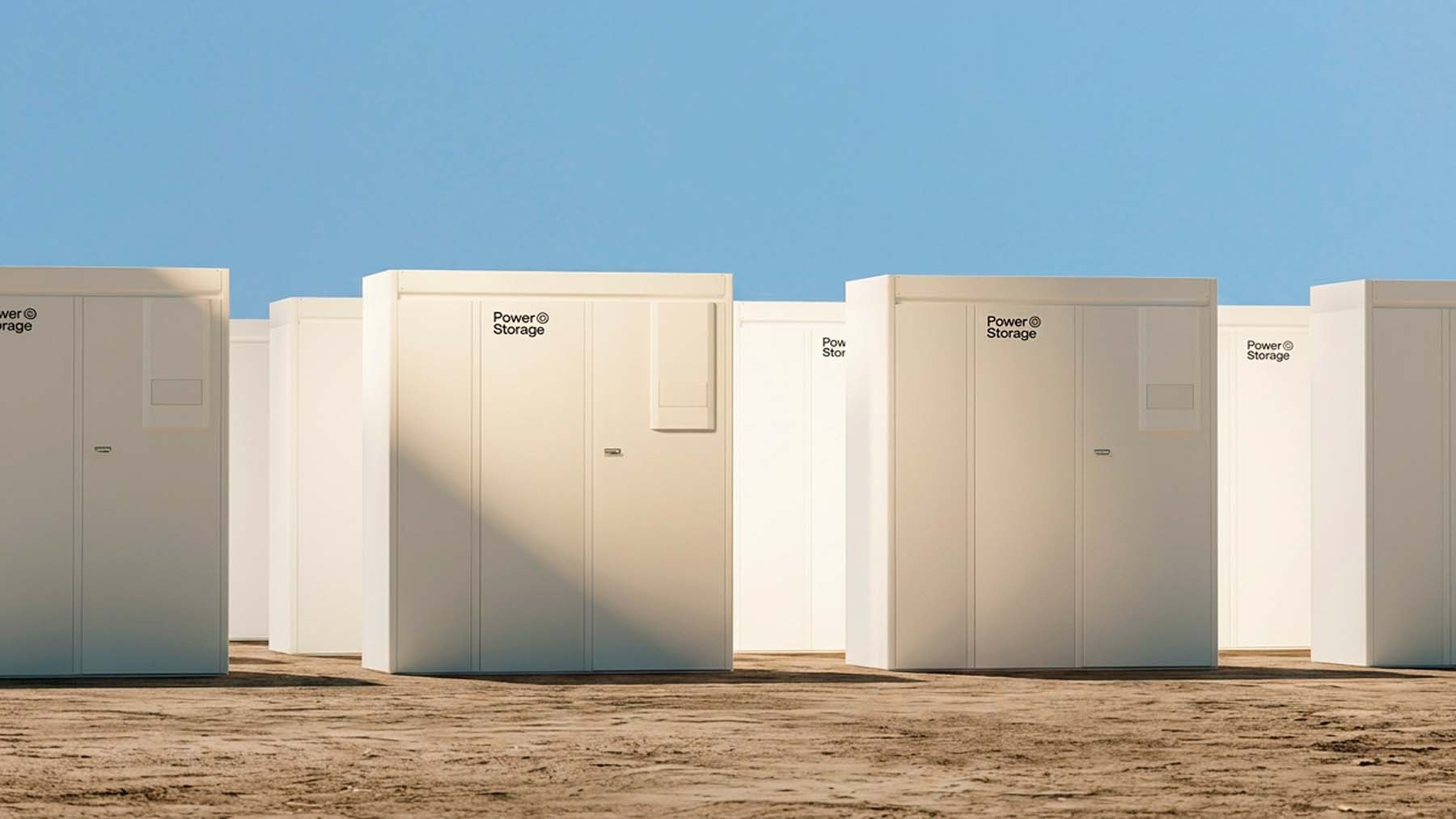
The United States’ solar energy landscape continues to elevate with companies continuously seeking new ways to reach maximum energy generation. One of the advantages that the nation has is the abundance of wealth, scientific expertise, and resources that make the execution of projects feasible. California is a solidified solar energy leader in the United States, but the nation is actively working toward diversifying its energy portfolio in every state. On that note, Duke Energy leverages energy storage tax incentives to keep Florida electricity rates from rising.
Understanding Duke Energy’s importance to the U.S. solar landscape
U.S. companies are eager to become pioneers in the generation of every energy source, considering that the nation is the leading clean energy producer. One of the companies that is at the forefront of solar energy generation is Duke Energy, a Fortune 150 company headquartered in Charlotte, N.C.
The company has developed a reputation as one of America’s largest energy holding companies with electric utilities that serve 8.7 million customers in North Carolina, South Carolina, Florida, Indiana, Ohio, and Kentucky. All in all, it owns 55,700 megawatts of energy capacity, and its natural gas utilities serve 1.6 million customers.
Duke Energy leverages energy storage tax incentives to prevent a surge in Florida rates
Duke Energy is currently aiming to execute an energy modernization strategy that keeps customer value at the forefront as it invests in electric grid upgrades and efficient generation resources to enhance the system and serve growing needs. In line with this being the company’s current focus, it announced that it is delivering $50 million in customer savings in 2027.
The company is relying on an innovative strategy to quicken the return of tax credits over one year instead of the standard 15-year lifespan of its Powerline Battery Energy Storage System.
This is expected to avoid the 2% base rate increase outlined in the company’s multiyear (2025-2027) rate agreement and assist in keeping costs as low as possible for customers. From Duke Energy’s perspective, there is huge optimism for what is to come in the future. Melissa Seixas, Duke Energy Florida’s state president, stated the following:
“Our customers count on us to continually look for ways to keep our costs in check and help ease their overall financial burden – especially as prices continue to rise in seemingly every aspect of our daily lives. By finding a way to return these tax credits faster, we’re able to put millions of dollars to work for our customers sooner.”
Analyzing how Duke Energy was able to achieve better reliability and more savings
In the next 10 years, Duke Energy is planning to execute groundbreaking projects and further enhance its reputation in the United States. For instance, the company is planning to build 1.4 gigawatts of battery storage, which will result in more than $500 million in investment tax credits that the company will pass directly to customers.
Batteries play an essential role in Duke Energy Florida’s “all-of-the-above” approach to power generation, which most companies are now starting to adopt at a rapid pace. This involves storing electricity when demand is low and making it available when customers are in need of it the most.
The more batteries Duke Energy adds to its overall portfolio, the more useful solar energy sites become in terms of serving the community.
Looking ahead: Florida’s overall solar energy landscape as of 2026
Florida is ranked third in the United States when it comes to total solar capacity. A huge reason for its high ranking is the utility scale boom, streamlined state permitting laws, and strong residential adoption. Duke Energy Florida has played an integral role in the projects that have materialized in the state.
One of the reasons why the company has enjoyed a tremendous amount of success in Florida is that it established Duke Energy Florida. This subsidiary owns 12,500 megawatts of energy capacity and supplies electricity to 2 million residential, commercial, and industrial customers across a 13,000-square-mile service area in Florida.
Prince is a versatile writer focused on energy, automotive, environmental, and general news topics. He makes complex technical and policy issues clear, engaging, and accessible for a broad audience.
