
Sunrun boosts the capacity of its California residential battery network to 425 MW
California continues to be at the center of the United States’ groundbreaking solar energy initiatives, which is a testament to the amount of sunlight and resources that are available, where developers are happy to take the risk of investing millions of dollars in pursuing projects. When a company is able to successfully execute a project in California, it improves its reputation massively and betters its chances of being appointed to spearhead more standout initiatives. The state’s officials are interested in maintaining their overall position of being a solar energy hub within America. As of late, Sunrun boosted the capacity of its California residential battery network to 425 MW.
A background overview of Sunrun and its place in the solar energy industry
In the competitive U.S. solar energy landscape, Sunrun emerges as one of the standout companies that has executed captivating projects. The company is recognized as America’s largest provider of home battery storage, solar, and home-to-grid power plants. As the pioneer of home energy systems offered through a no-upfront-cost subscription model, Sunrun provides U.S. customers with greater energy control, security, and independence.
California continues to lead the entire U.S. when it comes to solar energy development. The state possesses over 21,000 MW of utility-scale capacity, which is highlighted through massive installations like the 586 MW Topaz Solar Farm and 19,000 MW of behind-the-meter rooftop systems. Following the incorporation of technology into energy generation, the state’s facilities have greatly evolved.
Sprawling farms power hundreds of thousands of homes. Still, the state is now shifting toward “agrivoltaic” installations in the Central Valley, co-locating solar panels with crop production to prevent prime farmland loss while saving water.
Breaking barriers: Sunrun boosts the capacity of its California residential battery
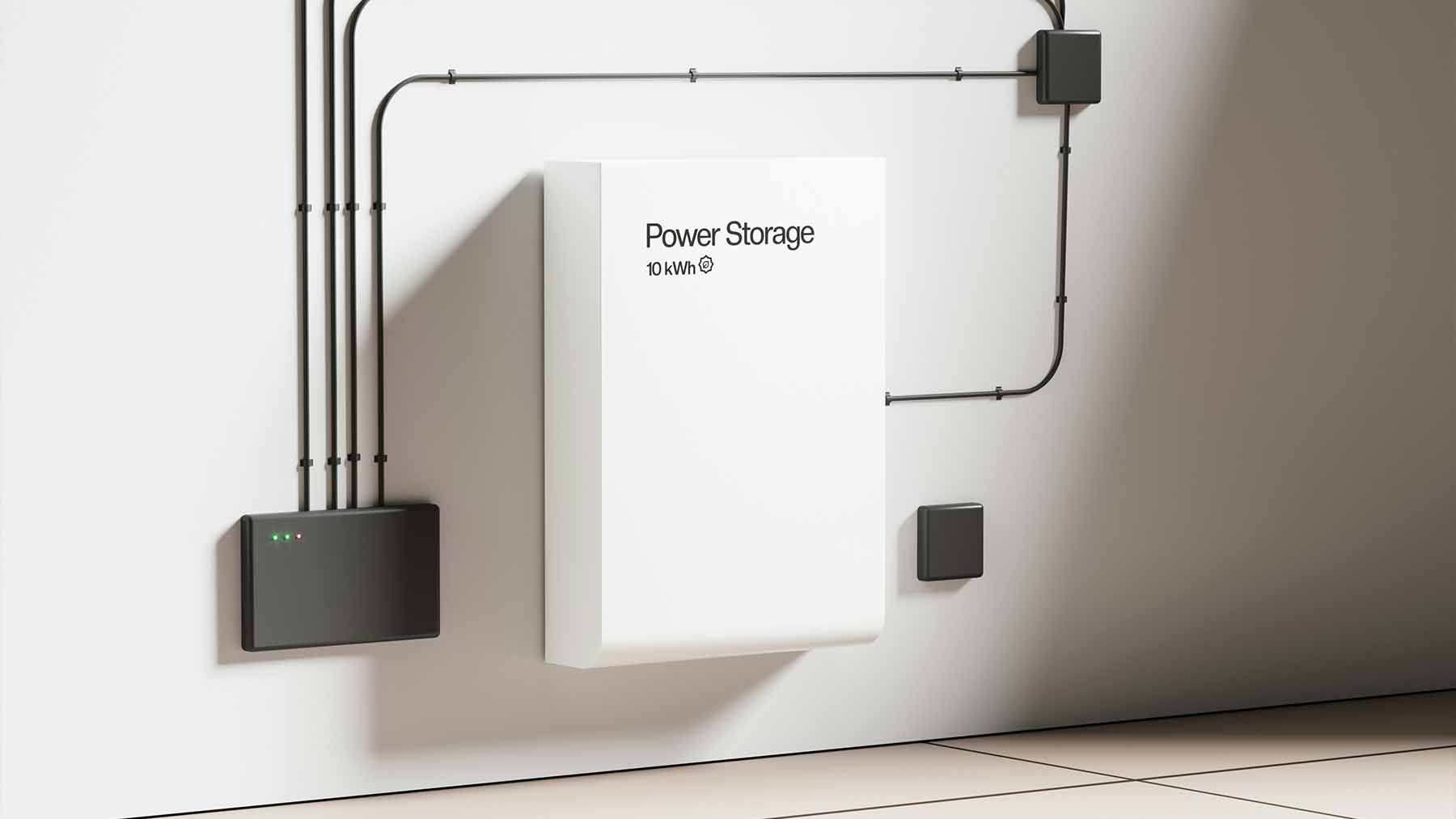
Sunrun intends to maintain the momentum it has been enjoying after it announced that its California distributed power plant is set to support the state’s electrical grid this summer with up to 425 megawatts of peak dispatchable capacity, solidifying it as one of the largest flexible energy resources in the state and the largest residential power plant in the country.
According to reports, the company’s distributed power plant has over 80,000 households enrolled this year, reflecting over 110,000 home batteries. This massive number of people turning to solar is not a coincidence but shows the effectiveness of combined solar energy plus storage facilities that give customers confidence that electricity will be available on a more consistent basis.
The power plant officially launched in 2024 with 16,000 Sunrun customers enrolled, but that number has increased significantly. Interestingly, Sunrun customers may be signing up in numbers because they are compensated for participating in a system that is fairly new when compared to the traditional ways of energy generation.
Understanding Sunrun’s impact on California’s thriving solar landscape
When companies reach achievements that Sunrun has managed, they become more optimistic about what is to come in the future. In this instance, Sunrun CEO Mary Powell stated the following:
“As electricity demand continues to grow, Sunrun’s power plants represent one of the fastest, most cost-effective tools available to grid operators. Our California power plant leverages the flexible energy capacity sitting in tens of thousands of homes across California and is dispatched closest to where the energy is being consumed.”
Looking ahead: California’s importance during the clean energy transition
The company is entering uncharted territory after it revealed that for the first time, Sunrun’s California distributed power plant will dispatch energy through two state grid service programs: the California Energy Commission’s Demand Side Grid Support program and the California Public Utilities Commission’s Emergency Load Reduction program, which is operated under bilateral agreements between Sunrun and Pacific Gas and Electric Company and Southern California Edison.
In the last summer, Sunrun displayed how its distributed power plant assets are able to deliver at a utility-scale capacity. There was a monumental dispatch event on July 29, 2025, where multiple aggregators, including Sunrun, provided sufficient energy to the grid to power over half of San Francisco during peak demand.

Prince is a versatile writer focused on energy, automotive, environmental, and general news topics. He makes complex technical and policy issues clear, engaging, and accessible for a broad audience.
