
US commits $4.48 million to Madagascar rare earths project to counter China’s grip on critical minerals supply chains
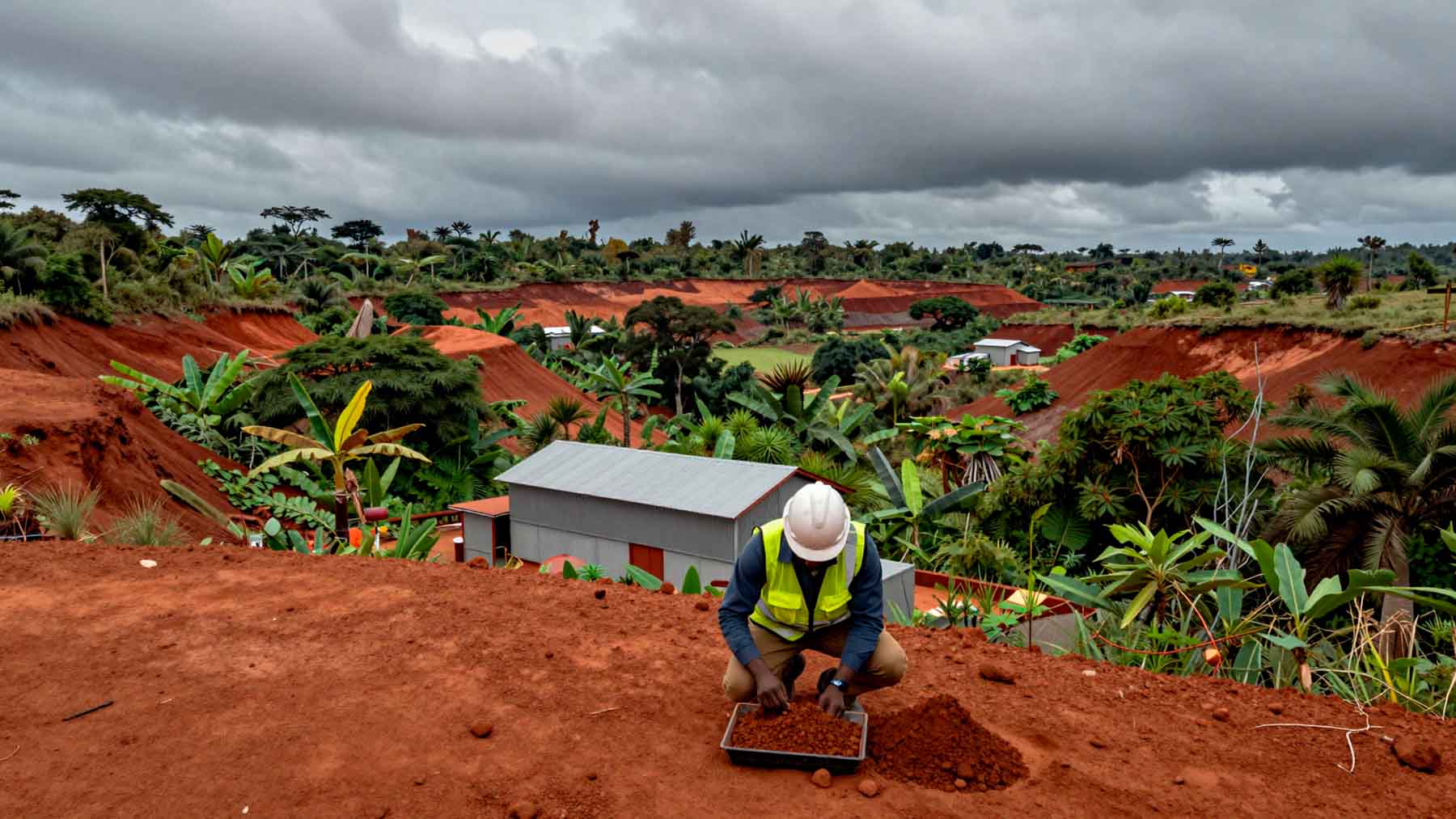 Image generated with artificial intelligence
The U.S. International Development Finance Corporation has committed up to $4.48 million to the Ampasindava rare earths project in Madagascar—a relatively modest sum that Washington is framing as part of a broader push to break China’s grip on critical mineral supply chains.
The State Department confirmed the commitment on July 28, describing it as consistent with a U.S. strategy to counter what it called “opaque, predatory investments” by adversaries in Africa’s mining sector. The beneficiary is London-listed Harena Rare Earths, owner of the roughly $150 million Ampasindava deposit.
US backs Ampasindava project with initial DFC funding
The DFC’s $4.48 million will go toward pilot plant work, lab testing, and environmental programs at the Ampasindava site. This isn’t construction financing — it’s early-stage support that puts the U.S. government formally on record as a stakeholder in the project.
Beijing has used export controls in recent years to demonstrate just how much leverage it holds over the materials that power modern technology and defense hardware.
The State Department confirmed the move fits within Washington’s critical minerals strategy in Africa. A spokesperson told Reuters that Madagascar “fits within that strategy,” adding that the U.S. sees opportunities across the country to expand American and allied investment in the sector. The DFC also signaled it could consider additional support as the project develops—conditional language, standard for this kind of announcement, but it leaves the door open for much bigger commitments later.
Harena Rare Earths welcomed the funding as a potential catalyst. Executive Chair Andrew Murphy suggested the modest initial commitment could unlock more substantial U.S. backing once the project moves closer to construction.
Why Washington is targeting African rare earth deposits
China’s dominance over rare earth supply chains isn’t new, but it’s gotten more urgent. Beijing has used export controls in recent years to demonstrate just how much leverage it holds over the materials that power modern technology and defense hardware.
That leverage is exactly what Washington is trying to chip away at. The State Department explicitly framed the Madagascar investment as a response to what it called “opaque, predatory investments from our adversaries”—language pointing directly at Chinese activity across the continent. Chinese companies have long led investment in Africa’s copper, cobalt, and lithium sectors: capital flows in, infrastructure gets built, and Beijing gains influence over the output. Western governments are now trying to replicate that model using their own financing tools.
Ampasindava is one of several African rare earth projects attracting U.S. and broader Western support—reflecting a wider shift in how Washington approaches the continent, less as an aid recipient and more as a strategic partner in the competition over critical resources.
What Ampasindava contains and why it matters
Not all rare earth deposits are equal. Ampasindava’s value comes down to what it actually holds: neodymium, praseodymium, dysprosium, and terbium. These aren’t obscure elements — they’re the building blocks of permanent magnets, and permanent magnets show up everywhere that matters.
Electric vehicles need them. Wind turbines need them. Defense systems—fighter jets and precision-guided missiles—depend on them too, and that last category is a big part of why Washington is paying attention. Consumer electronics rely on them as well, though it’s the defense applications that tend to sharpen minds in the capital.
The project is expected to produce around 4,000 metric tons of rare earth oxides per year, with roughly 1,700 tons being the high-value magnet rare earths NdPr and DyTb—the specific compounds most critical for those applications. Total project cost sits at approximately $150 million. The DFC’s current $4.48 million covers less than 3% of that, so this is seed-stage support, not a full financing package. But it puts the U.S. in the game with real skin on the table.
Harena’s timeline and refining partnerships under consideration
Harena is moving on several fronts simultaneously. Murphy told Reuters the company is seeking an exploitation permit from Madagascar’s government and was hoping for approval “in the next couple of weeks” as of late July. Madagascar’s mines ministry hadn’t responded to requests for comment at the time of publication.
If permitting goes smoothly, Harena is targeting production by mid-2028—an ambitious timeline, though not unusual for a project at this stage, giving roughly three years for financing, construction, and commissioning.
On refining, Harena is evaluating processing options in both the U.S. and Europe. Murphy named MP Materials, USA Rare Earths, and Solvay as potential partners. MP Materials operates the only active rare earth mine in the U.S., USA Rare Earths is developing domestic processing capacity, and Solvay is a Belgian chemical company with rare earth separation expertise. The choice of refining partner will matter strategically, not just commercially, since processing rare earths outside China remains one of the key bottlenecks the U.S. and its allies are actively working to solve.
A strategy to counter Chinese dominance
The U.S. has committed up to $4.48 million through the DFC to Harena Rare Earths’ Ampasindava project in Madagascar — funding that covers pilot plant work, testing, and environmental programs. The State Department confirmed the investment aligns with Washington’s strategy to counter Chinese dominance over critical mineral supply chains in Africa.
The Ampasindava deposit holds rare earths essential for permanent magnets used in EVs, wind energy, electronics, and defense systems. Annual production is expected to reach about 4,000 metric tons of rare earth oxides, with a mid-2028 production target and a total project cost of approximately $150 million.
Harena is pursuing an exploitation permit and evaluating refining partnerships with MP Materials, USA Rare Earths, and Solvay. The DFC has left open the possibility of additional funding, subject to due diligence—suggesting Washington’s current commitment may be only the first step in a larger strategic investment.
Kelly is an experienced writer with 15 years of experience exploring the big stories that shape our world, from tech breakthroughs and space exploration to climate, energy, and the fascinating quirks of science. She has a talent for turning complex ideas into sharp, memorable insights that stay with readers long after they’ve finished reading.
