
Eni opens supercomputing infrastructure to external companies, start-ups, and research centers for AI development
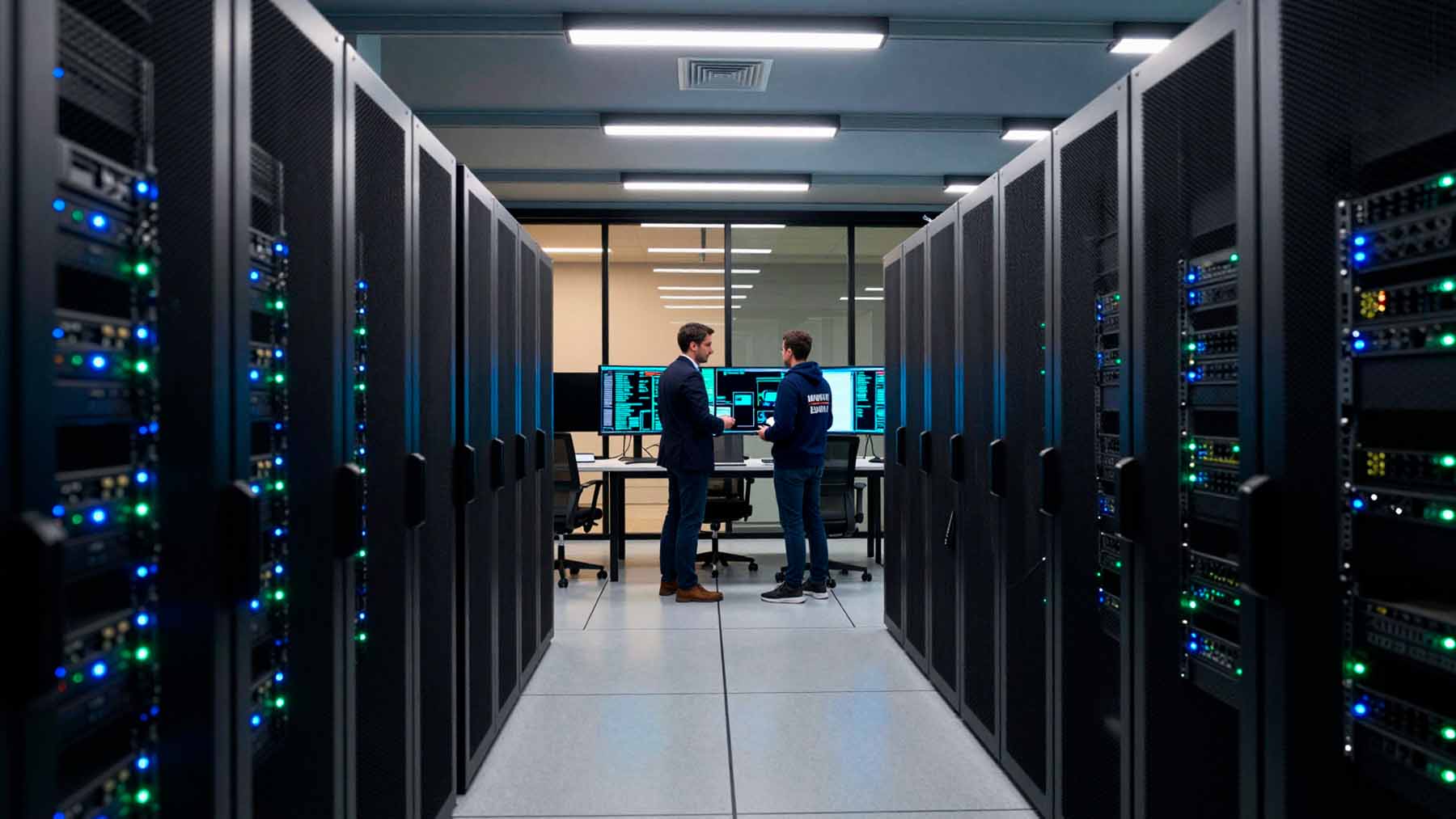 Image generated with artificial intelligence
Eni just opened its supercomputing infrastructure—including the HPC6 and HPC7 systems, which together clear the exascale-class performance threshold—to outside companies, start-ups, and research centers. The energy company says the goal is to support AI development and digital innovation beyond its own industrial work.
The first organizations in the door: Domyn, Mercuria, Dompé, Almawave, Reply, and the Bruno Kessler Foundation.
Eni launches external access program for its supercomputing infrastructure
Eni is formally opening its supercomputing capabilities to outside organizations—a real shift for a company that’s historically kept its high-performance computing focused inward. The program puts Eni’s computational capacity, specialist expertise, and advanced tools to work for AI development and digital innovation across industries.
Partners don’t just get raw computing power—they get a full framework for developing and deploying AI models and running computationally heavy projects.
Access works through AI services built on Eni’s existing infrastructure. Partners don’t just get raw computing power—they get a full framework for developing and deploying AI models and running computationally heavy projects.
The six founding partners cover a lot of ground. Domyn, Mercuria, Dompé, Almawave, Reply, and the Bruno Kessler Foundation bring in energy trading, pharmaceuticals, AI services, consulting, and academic research—a deliberately varied mix. Eni isn’t locking this down to one sector, and the program isn’t closed either. Other companies, institutions, and research centers can apply by submitting project proposals of mutual interest.
Eni’s supercomputing infrastructure and its development since 2013
Eni’s computing ambitions go back more than a decade. The company set up its Green Data Center in 2013, using it as the base to build expertise in designing, running, and scaling digital infrastructure for high-performance computing.
That foundation has grown considerably since then. Today, the Green Data Center houses both HPC6 and HPC7, and together they push Eni past exascale-class performance—a threshold that puts the company in rare global company. Eni describes itself as the industrial organization with the world’s greatest supercomputing capacity, a claim rooted in that combined system. A separate partnership with Khazna Data Centers to develop a next-generation AI Data Center Campus signals continued investment rather than simply monetizing what’s already built.
That trajectory—build, apply internally, then open outward—is key to understanding why this initiative carries real weight. This isn’t a company renting out spare capacity. It spent years developing specialized expertise and is now making that expertise accessible to others.
Strategic and commercial rationale behind opening access to partners
Eni is upfront about why it built its own infrastructure instead of leaning on external cloud providers. The company points to cost efficiency, operational flexibility, and the protection of proprietary know-how. When your algorithms, data, and models represent a genuine competitive edge, keeping them inside your own systems is a strategic call, not just a preference.
Opening that infrastructure to partners is framed as a natural extension of the same logic—getting more value out of assets already built and paid for. Capacity that might otherwise sit underutilized can now generate returns while Eni retains control over how it’s used.
For partners, the pitch is straightforward: faster time to market. Developing advanced AI models or running complex simulations usually means either serious capital investment or dependence on public cloud infrastructure. Eni‘s purpose-built environment offers an alternative that could meaningfully compress development timelines. The initiative is also explicitly positioned as supporting Italian and European digital sovereignty—a direct nod to ongoing policy debates around reliance on non-European cloud and AI infrastructure, which likely matters to institutional partners operating within EU regulatory and funding contexts.
Context: The growing strategic role of digital infrastructure in industry
Digital infrastructure has quietly become one of the most contested assets in industrial competition. The ability to process large datasets, run sophisticated simulations, and train AI models at scale isn’t a back-office function anymore—it’s increasingly central to how companies differentiate themselves.
Eni’s move fits a broader pattern emerging across the sector. Energy and industrial companies that have invested heavily in proprietary computing assets are starting to explore external monetization. The logic echoes what happened when large retailers realized their logistics networks had commercial value well beyond their own supply chains.
Eni already had some precedent for this kind of outreach. Its Call4Innovators program had been a vehicle for engaging with the wider innovation ecosystem. What’s different now is scale and formality—opening supercomputing access to named partners, with a clear pathway for additional organizations to join, is a more deliberate commercial commitment than a startup engagement program ever was.
The program will be open to additional applicants
Eni has opened its supercomputing infrastructure—anchored by HPC6 and HPC7 at its Green Data Center—to external companies, start-ups, and research centers through an AI services framework. The first cohort includes Domyn, Mercuria, Dompé, Almawave, Reply, and the Bruno Kessler Foundation, with the program open to additional applicants over time.
The initiative is designed to maximize the value of Eni’s existing infrastructure and AI capabilities while giving partners faster access to high-performance computing for AI model development and complex simulations. Eni frames the effort as supporting both commercial competitiveness and European digital sovereignty. The separate Khazna Data Centers partnership points to continued infrastructure investment ahead.
Kelly is an experienced writer with 15 years of experience exploring the big stories that shape our world, from tech breakthroughs and space exploration to climate, energy, and the fascinating quirks of science. She has a talent for turning complex ideas into sharp, memorable insights that stay with readers long after they’ve finished reading.
