
DeepOcean completes diverless subsea tie-back construction for Teal West field in the UK North Sea
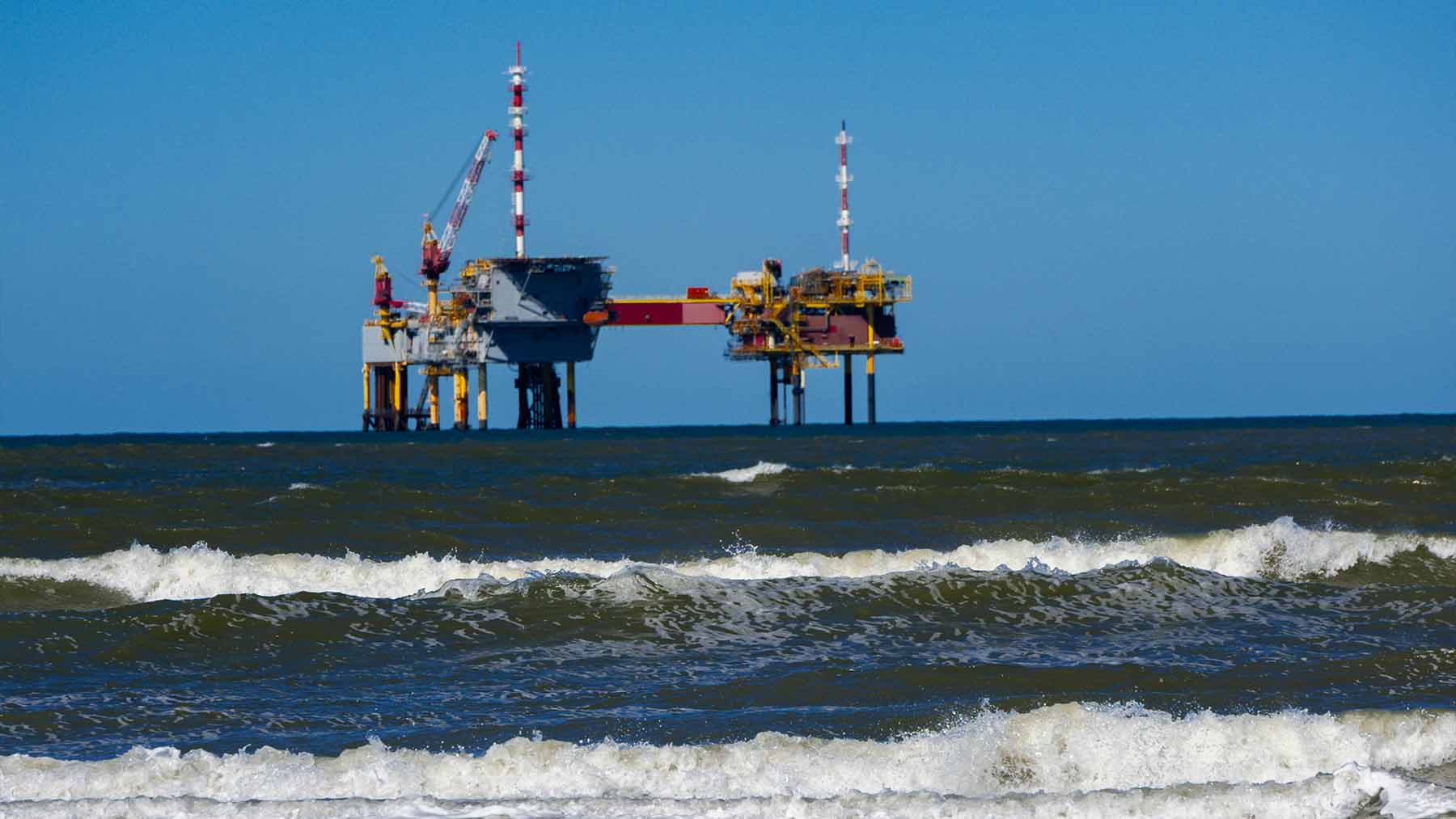 Image generated with artificial intelligence
DeepOcean has completed subsea construction and tie-in work at the Teal West oil and gas development in the Central North Sea, wrapping up a project that connects the field to the Anasuria FPSO roughly 112 miles east of Aberdeen. The work, carried out for operator Anasuria Operating Company at around 295 feet water depth, was done entirely without diver intervention—using remotely operated vehicles and specialized robotic tooling instead.
DeepOcean finishes subsea scope at Teal West
DeepOcean confirmed it’s completed all subsea construction and tie-in activities at Teal West, hitting a major milestone for Anasuria Operating Company on the UK Continental Shelf. With the work wrapped up, the field is officially onstream and connected to the Anasuria FPSO.
The project was managed and engineered out of DeepOcean’s Aberdeen office, which led the full subsea construction and tie-in scope. That local presence gave the team direct oversight of a technically demanding offshore campaign—one executed without a single diver in the water. The completion brings Teal West into production and adds another subsea tie-back to the North Sea’s growing list of successfully delivered projects.
With ongoing debates about licensing, taxation, and the energy transition, the economics of a project like Teal West carry real political and social weight.
Why a subsea tie-back was chosen for Teal West
Developing Teal West as a standalone facility was never really on the table. Tying it back to the Anasuria FPSO—a floating production, storage, and offloading vessel already positioned roughly 112 miles east of Aberdeen at about 295 feet water depth—was simply the smarter call.
Subsea tie-backs connect a new field to existing infrastructure rather than building something from scratch, which cuts capital expenditure significantly and compresses development timelines. Both matter in a mature basin where margins can be tight. The North Sea has used this model for decades: as fields age and production from legacy assets declines, tie-backs let operators extract additional value from infrastructure that’s already paid for. Not a flashy strategy, but it works.
Scope of work: riser, flowline, umbilical, and diverless tie-in
DeepOcean’s scope covered several distinct components—a flexible production riser and flowline, along with an umbilical linking the Anasuria FPSO directly to the Teal West subsea Christmas tree, the valve assembly that controls flow from the well. Beyond installation, the scope included protection of the flowline and umbilical, plus commissioning of all newly installed infrastructure, running from physical installation through to making the system ready for live production.
The standout technical element was how the tie-in connections were made. Rather than sending divers down to make high-pressure flange connections—standard practice, but costly and risk-intensive—the team used ROVs paired with DeepOcean’s proprietary diverless tie-in tool, purpose-built to connect pipes and valves using subsea robotics alone.
Offshore operations ran in two phases. A first vessel handled subsea construction and tie-in work, then a second offshore construction vessel from DeepOcean’s chartered fleet came in to complete commissioning. That phased approach kept things organized and reduced the risk of delays cascading across the full scope.
Field configuration and production setup
Teal West is a relatively compact development with two production wells and one water injection well—a configuration designed to maintain reservoir pressure and support sustained output over time. At startup, only one production well is connected to the Anasuria FPSO, running through approximately 1.9 miles of subsea flowlines at around 295 feet of water depth in the Central North Sea.
The water injection well signals the operator is thinking about longer-term reservoir management, not just early production rates. Additional wells could come online as the development progresses, though no specific timeline has been announced.
Broader significance for UK North Sea energy production
Both Anasuria and DeepOcean were straightforward about what this project represents beyond its technical scope. Anasuria CEO Richard Beattie called Teal West “an excellent example of what can be achieved when operators, contractors and service companies work together towards a common goal,” pointing to it as proof that expertise and collaboration can still deliver results even as the industry faces significant uncertainty.
Beattie also stressed the wider role projects like this play—supporting domestic energy security, sustaining skilled jobs, and generating long-term value from the North Sea. These aren’t abstract talking points right now. With ongoing debates about licensing, taxation, and the energy transition, the economics of a project like Teal West carry real political and social weight.
DeepOcean EVP Robin Mawhinney echoed that framing, describing the project as a demonstration of the company’s integrated engineering and offshore execution capabilities. He highlighted subsea tie-backs specifically as a way to maximize value from existing offshore infrastructure—an argument that lands differently in a basin where much of the easy oil was extracted long ago.
A practical, economically sound strategy
Teal West is now onstream, connected to the Anasuria FPSO via roughly 1.9 miles of subsea flowlines, an umbilical, and a flexible production riser. DeepOcean completed the full scope—installation, protection, and commissioning—using diverless ROV technology and its proprietary tie-in tool, with engineering and project management led from Aberdeen. The field’s initial setup includes one active production well, with two more available for future development. The project shows how subsea tie-backs to existing infrastructure remain a practical, economically sound strategy for extending the productive life of the UK North Sea.
Kelly is an experienced writer with 15 years of experience exploring the big stories that shape our world, from tech breakthroughs and space exploration to climate, energy, and the fascinating quirks of science. She has a talent for turning complex ideas into sharp, memorable insights that stay with readers long after they’ve finished reading.
